





Value Analysis of Infypower 350kWh Liquid-Cooled BESS in Hybrid Diesel Applications
March 02, 2026
In many off-grid environments—such as remote construction sites and mining operations—diesel generators remain the primary power source. With the ability to run continuously without frequent refueling, they can handle high inrush currents and short-term overloads. However, a structural inefficiency remains: generators must be sized for peak loads yet often run at very low capacity, leading to excessive fuel consumption and accelerated engine wear. In reality, most sites operate far below peak capacity for extended periods.
The Core Inefficiency: Built for Peaks, But Run at Valleys
Optimal Efficiency: 70–80% load (~0.26–0.28 L/kWh).Low-Load Inefficiency: Below 25% load, fuel consumption rises sharply to ~0.40–0.55 L/kWh.Mechanical Stress: Prolonged low-load or idle operation accelerates engine wear, increases carbon buildup, and shortens maintenance intervals.
Pain Points of Diesel-Only Operation
1> Excessive Fuel Consumption Oversized generators operating at partial load burn disproportionately more fuel per kWh.
2> Higher Operating Costs Increased fuel usage, more frequent servicing, and unplanned maintenance drive up lifecycle costs.
3> Increased Emissions Poor partial-load efficiency results in higher CO₂ and particulate emissions.
4> Noise Pollution Continuous generator operation creates high noise levels, impacting both worker comfort and regulatory compliance.
Infypower BESS Role in Hybrid Diesel Applications
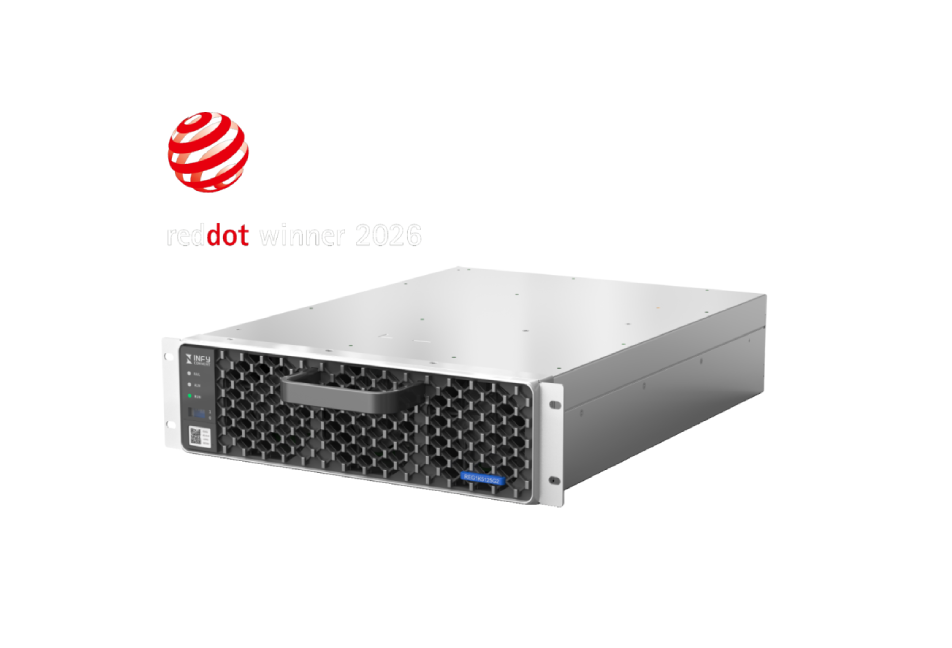
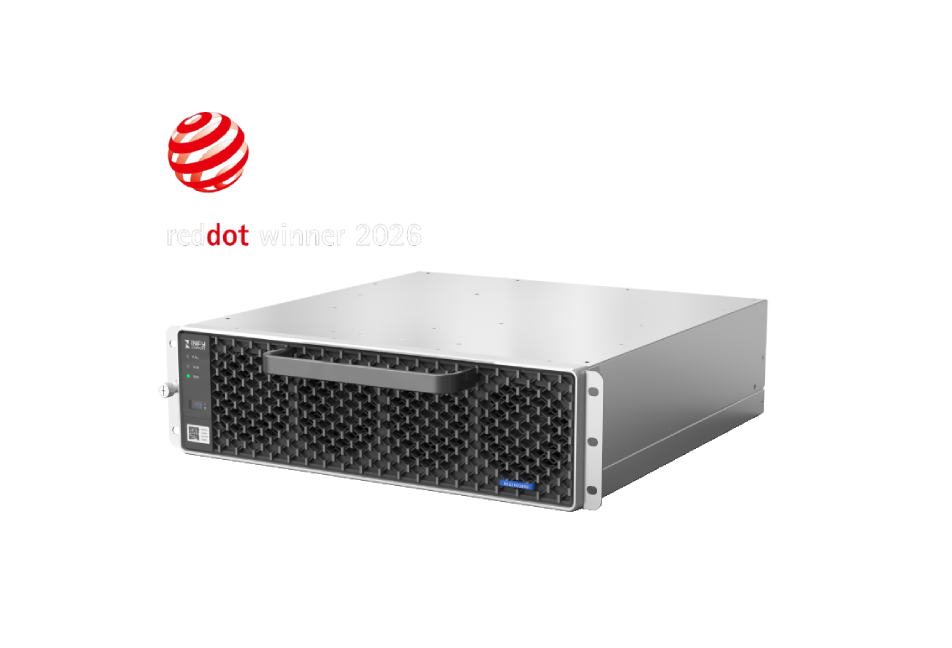
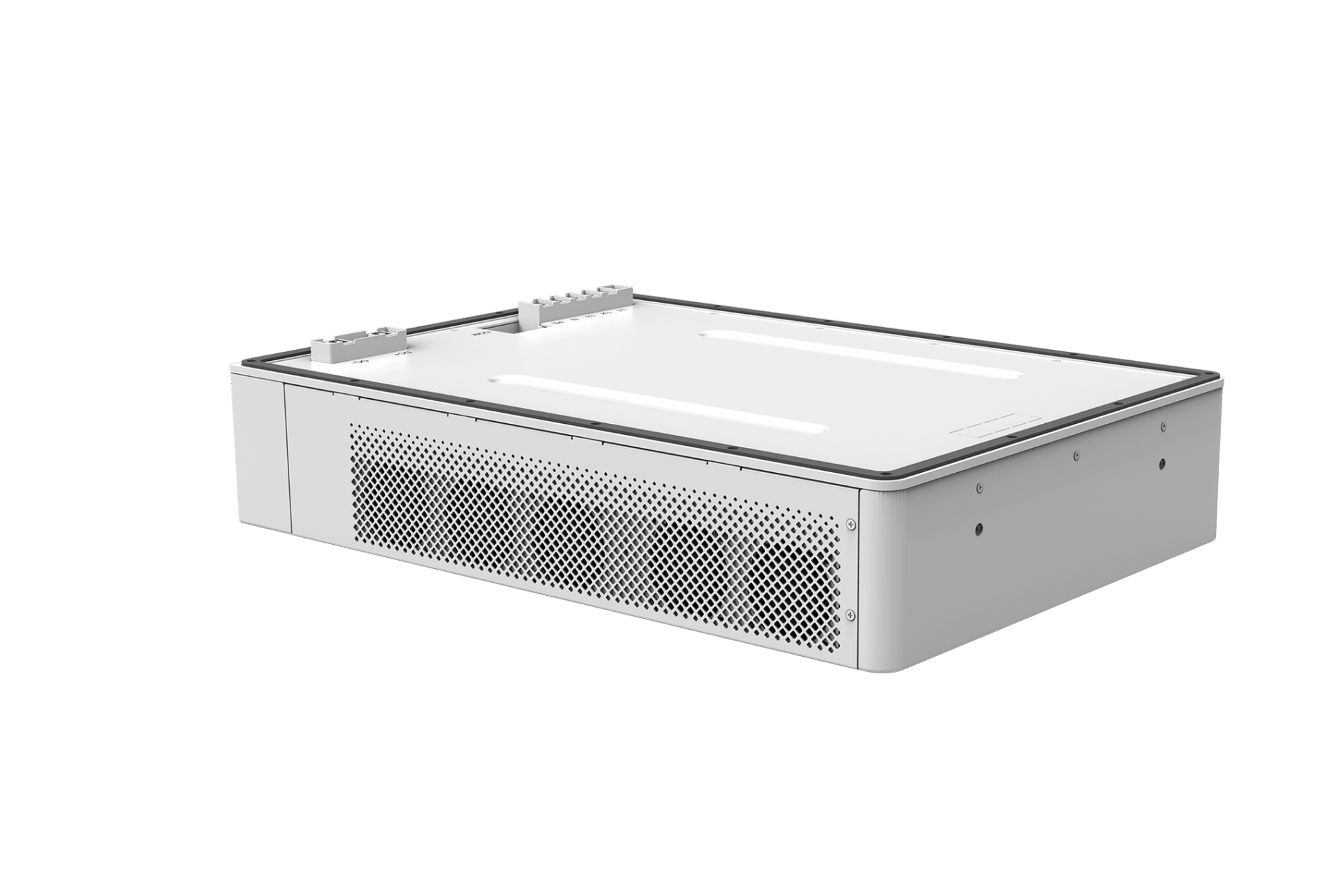
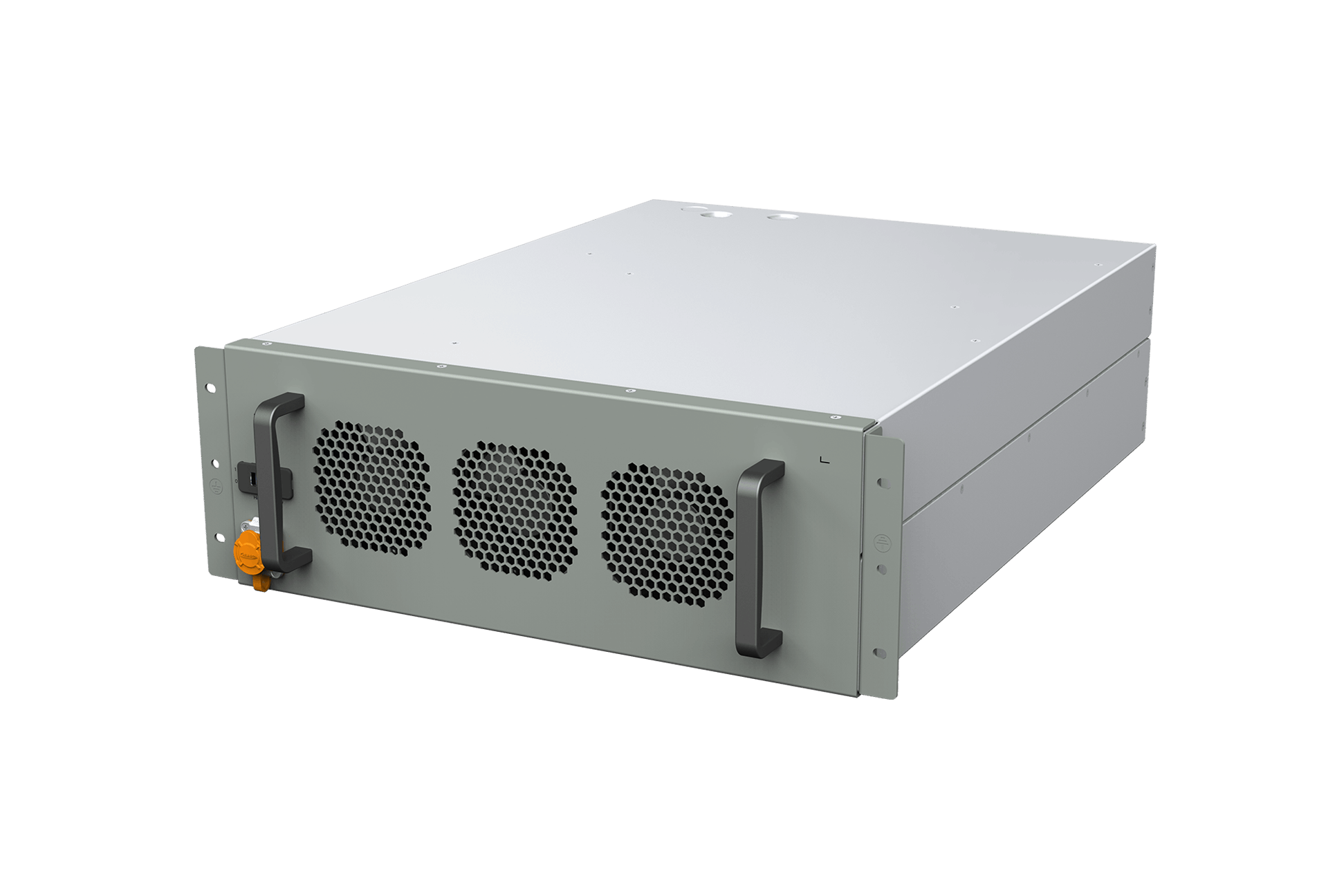
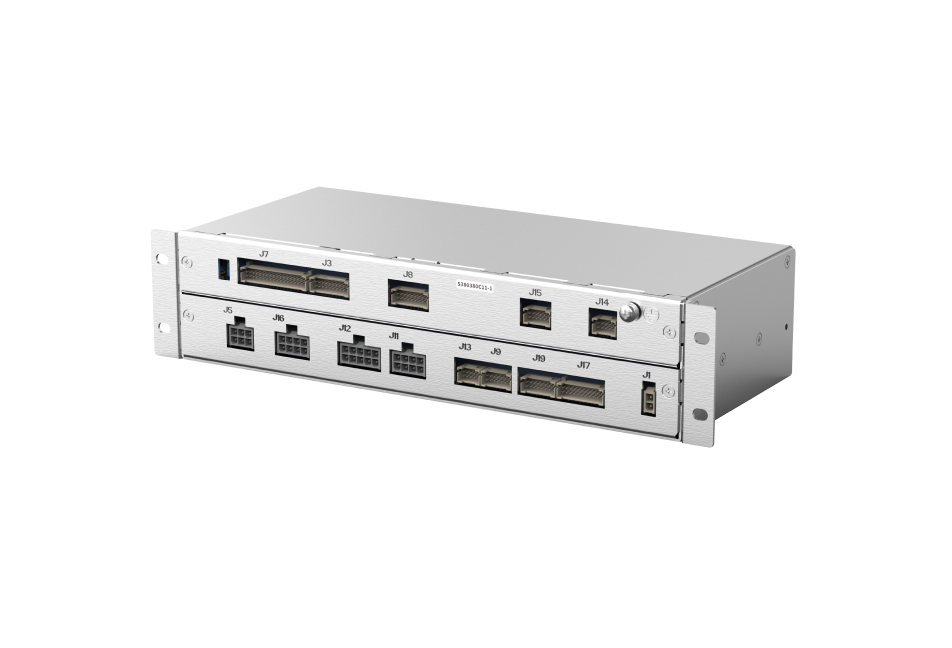
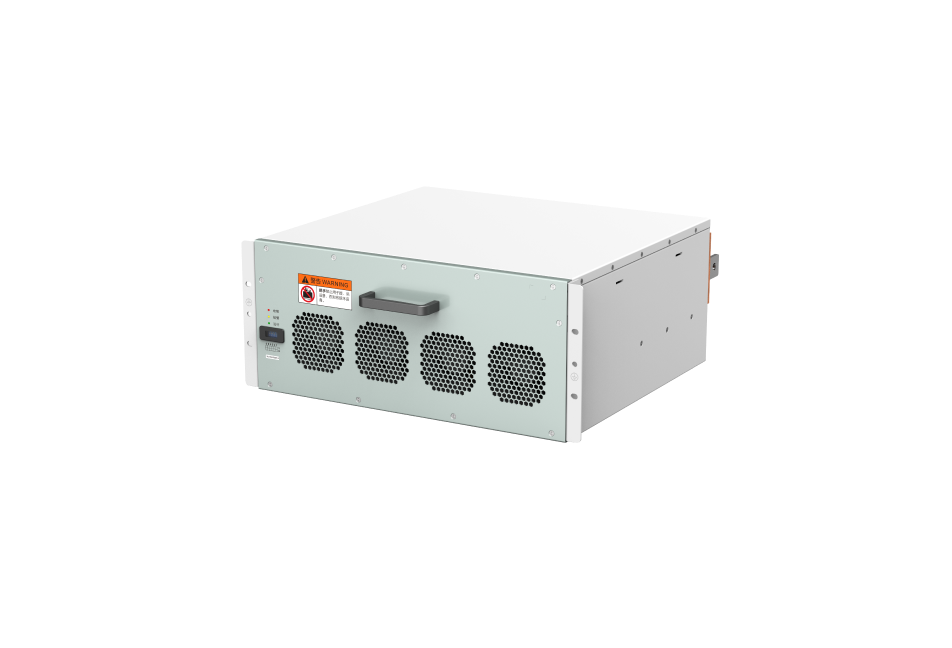
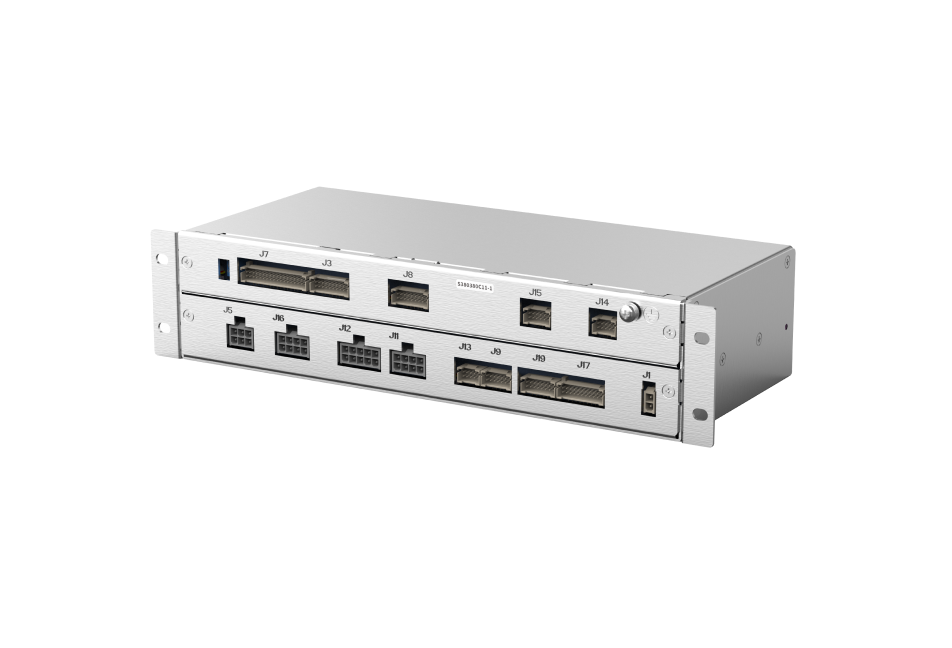
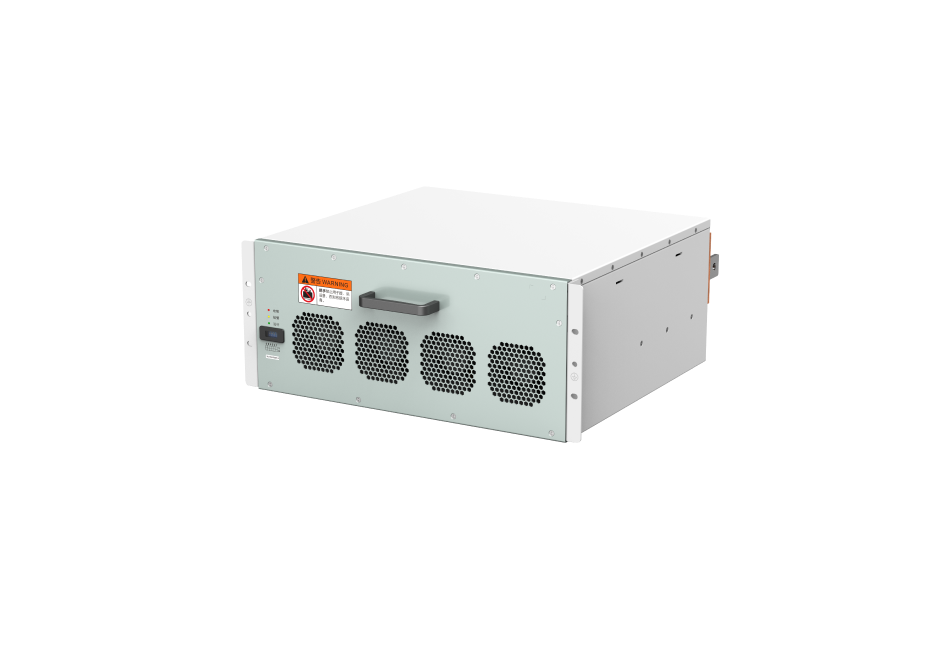
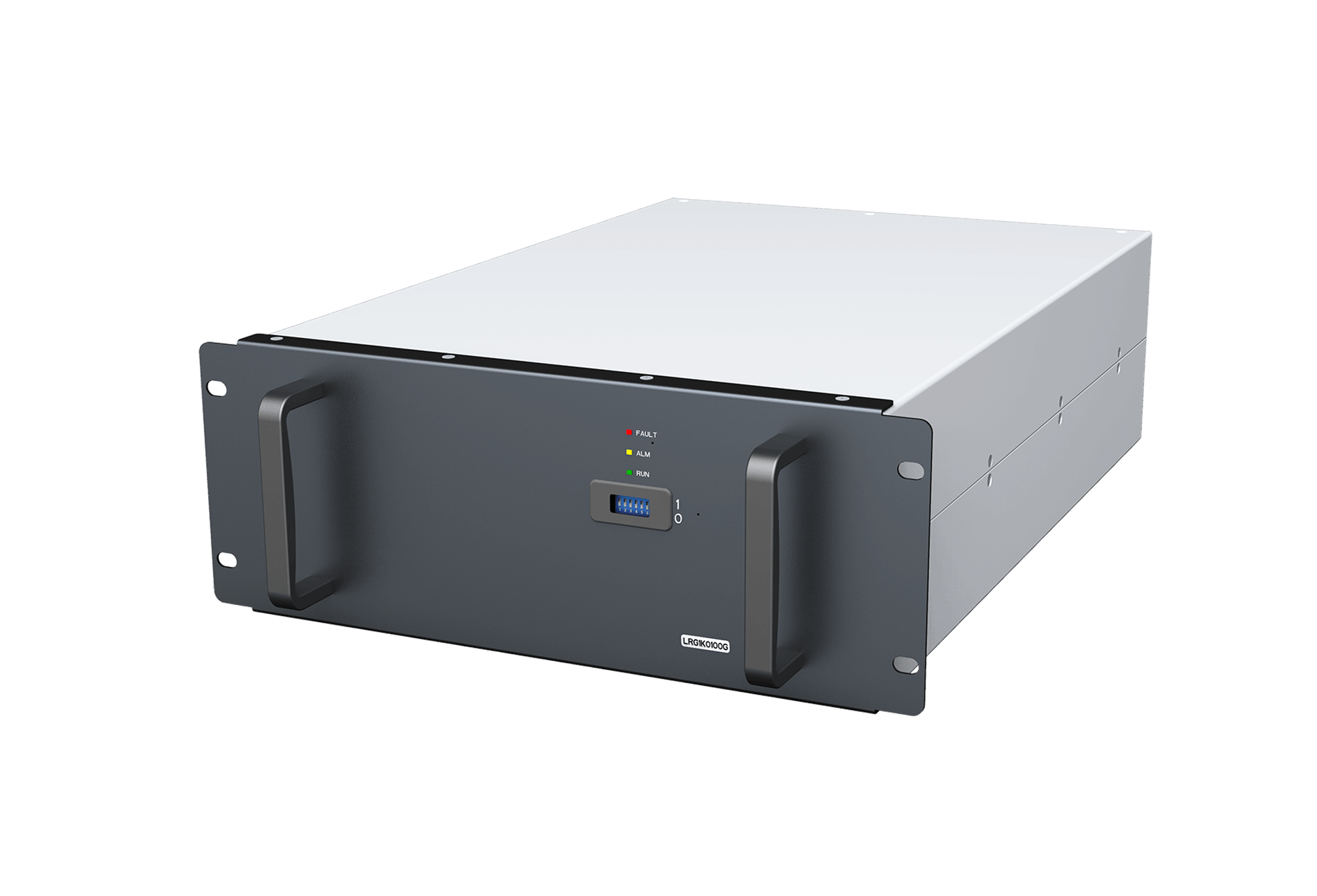
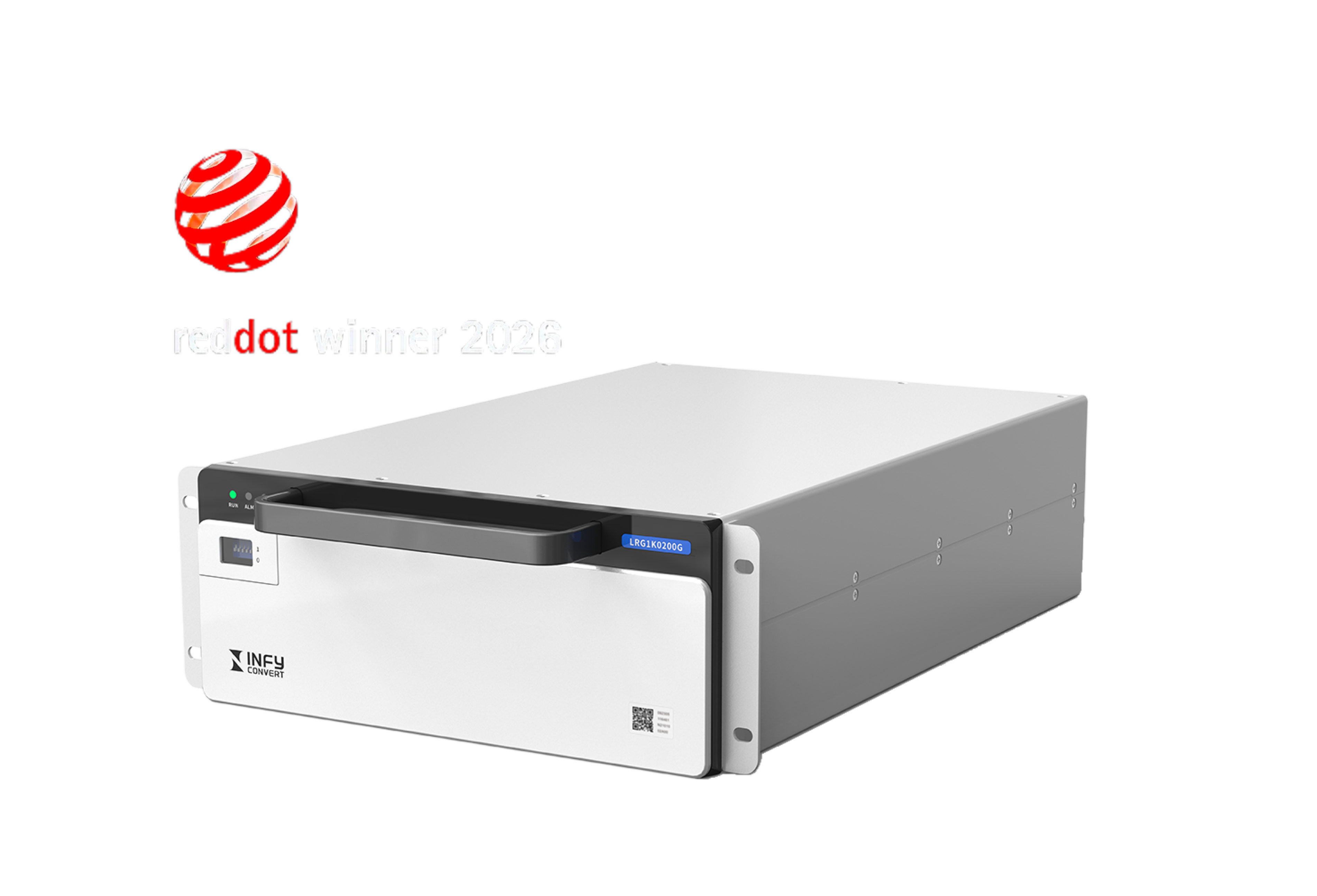
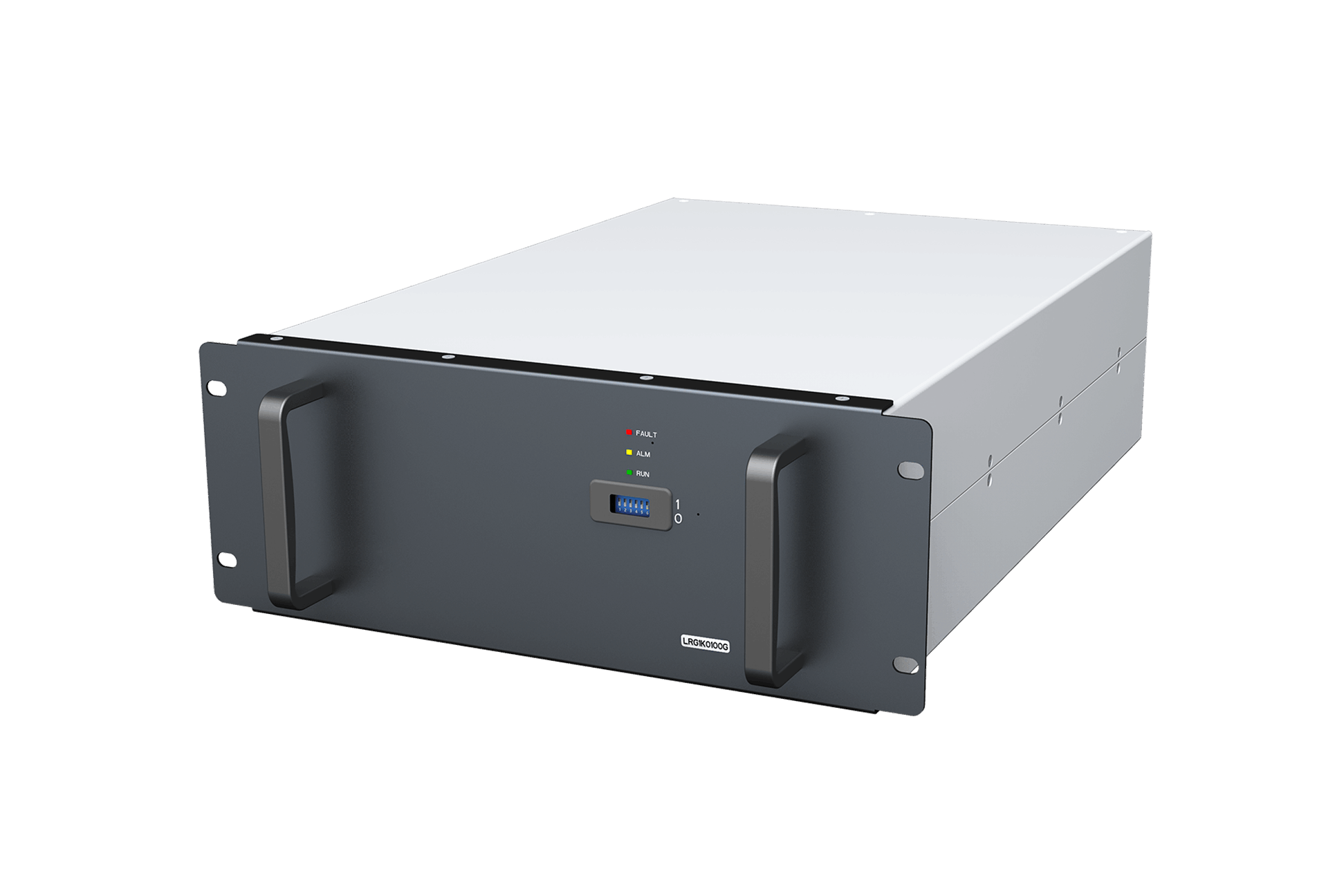
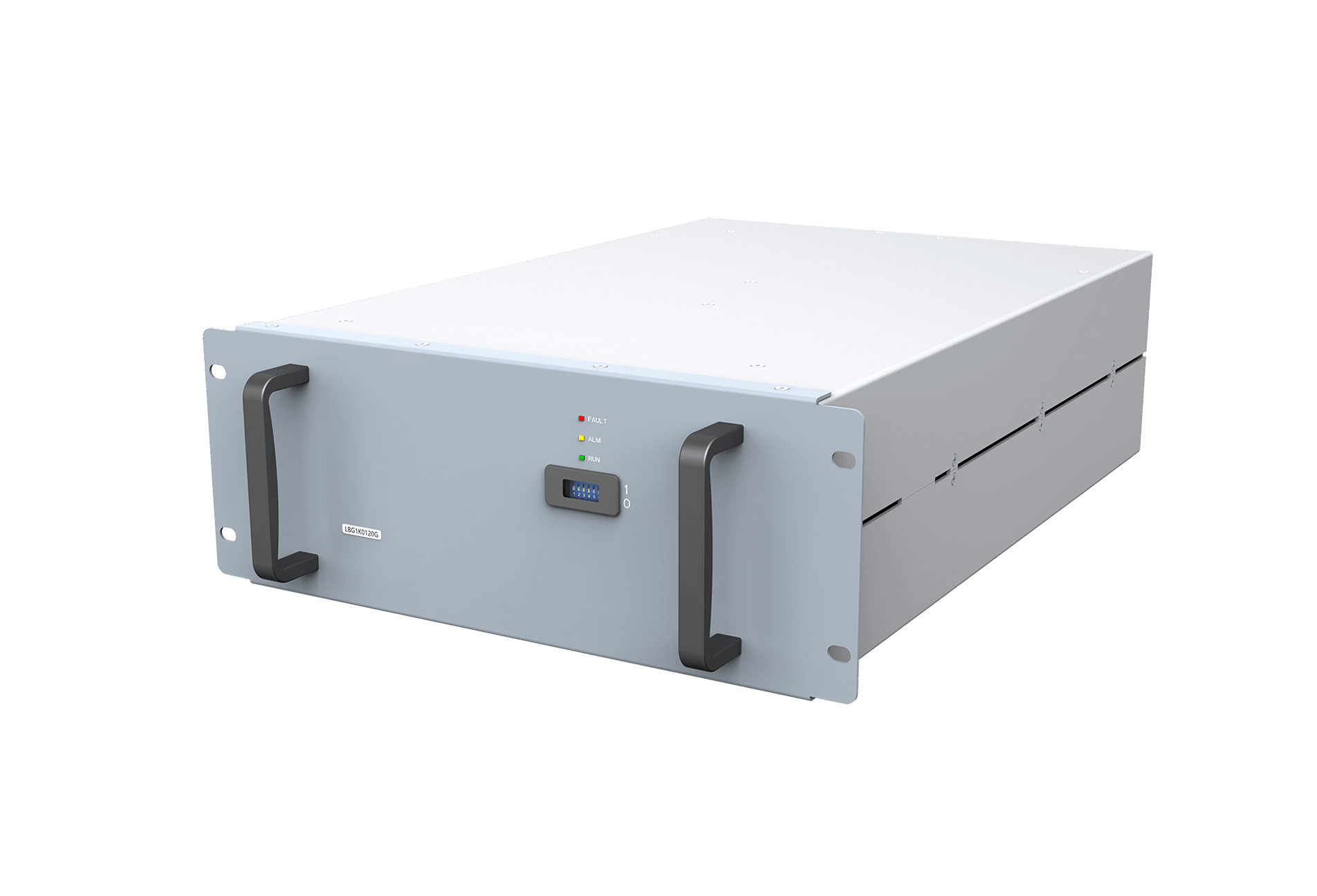
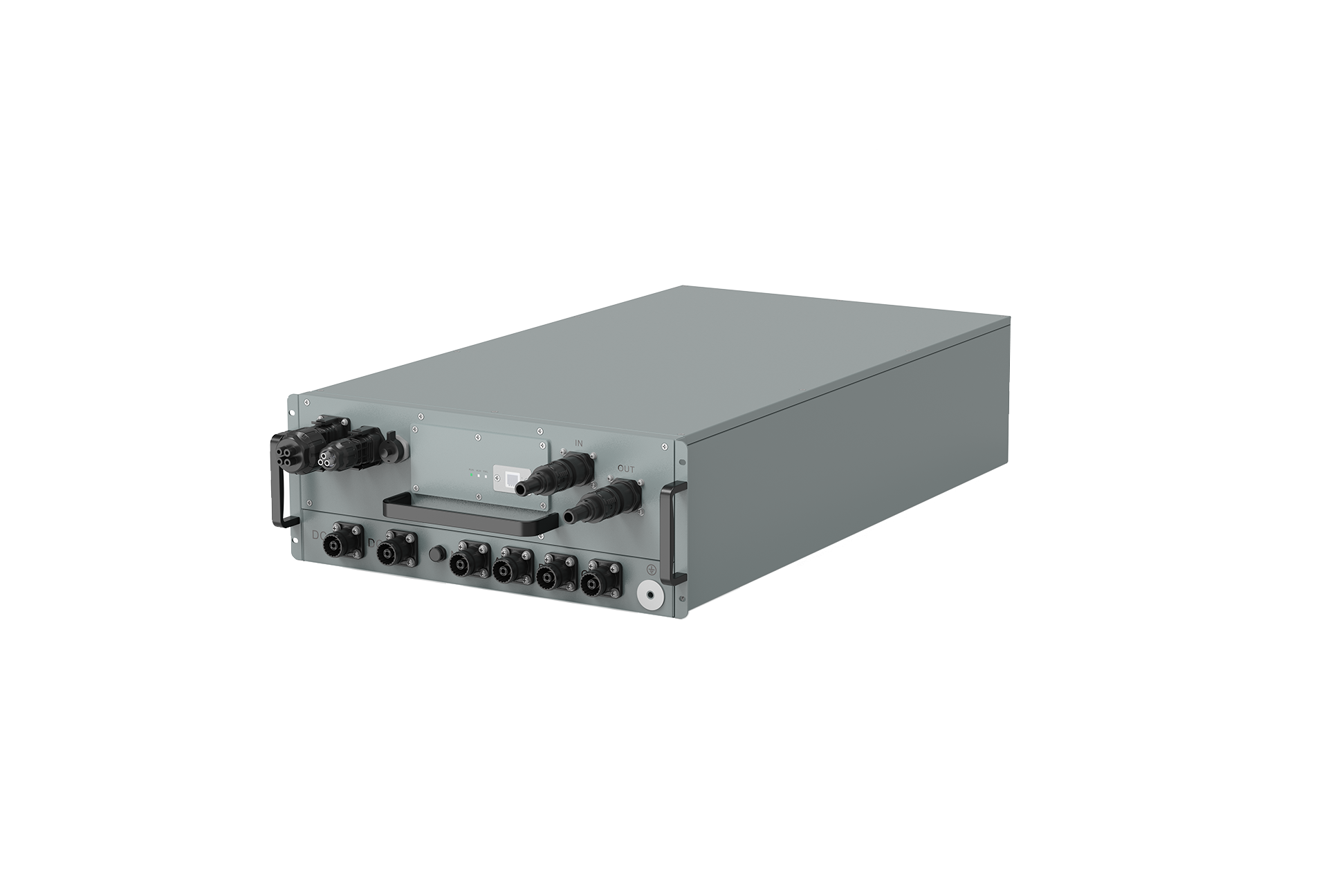
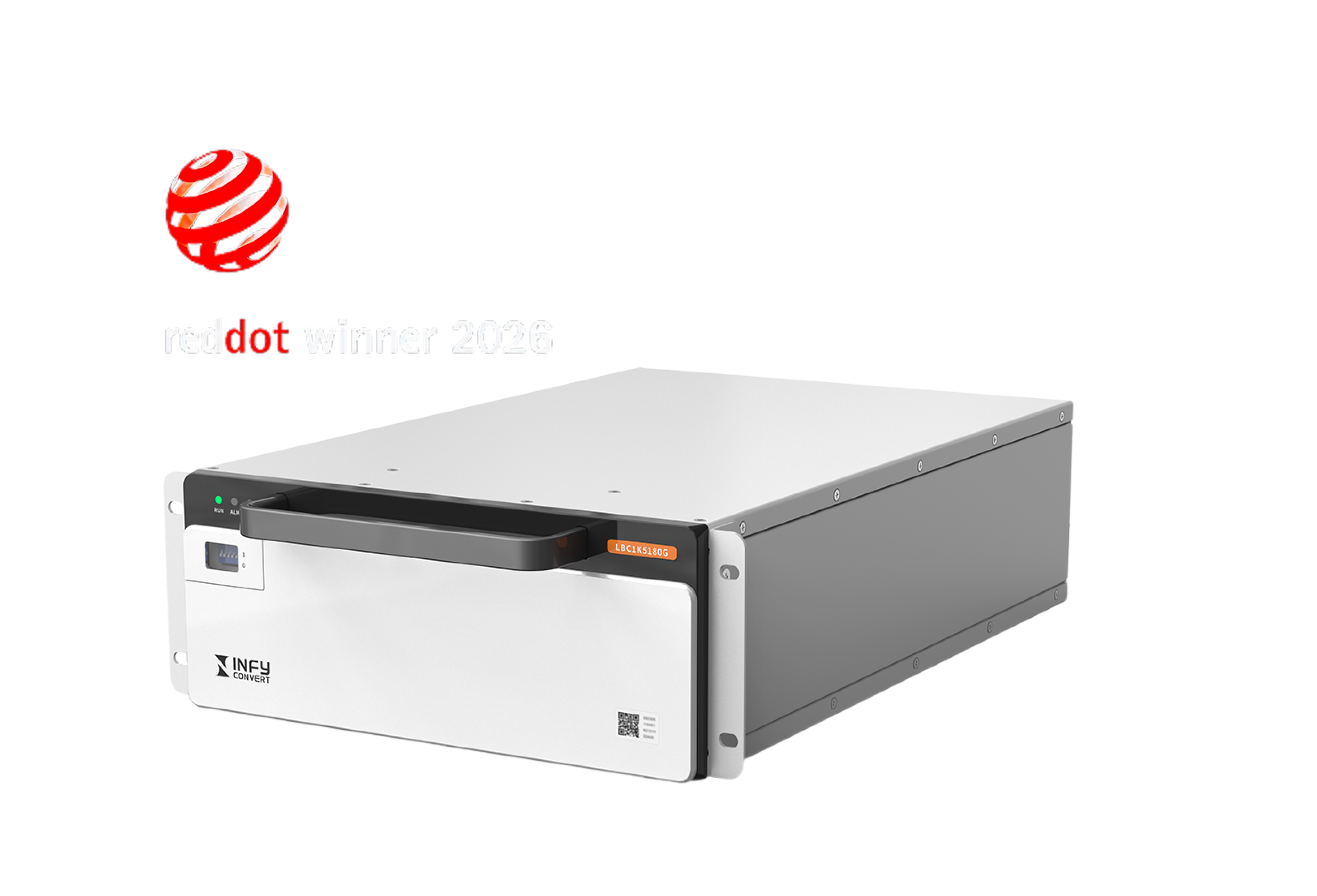
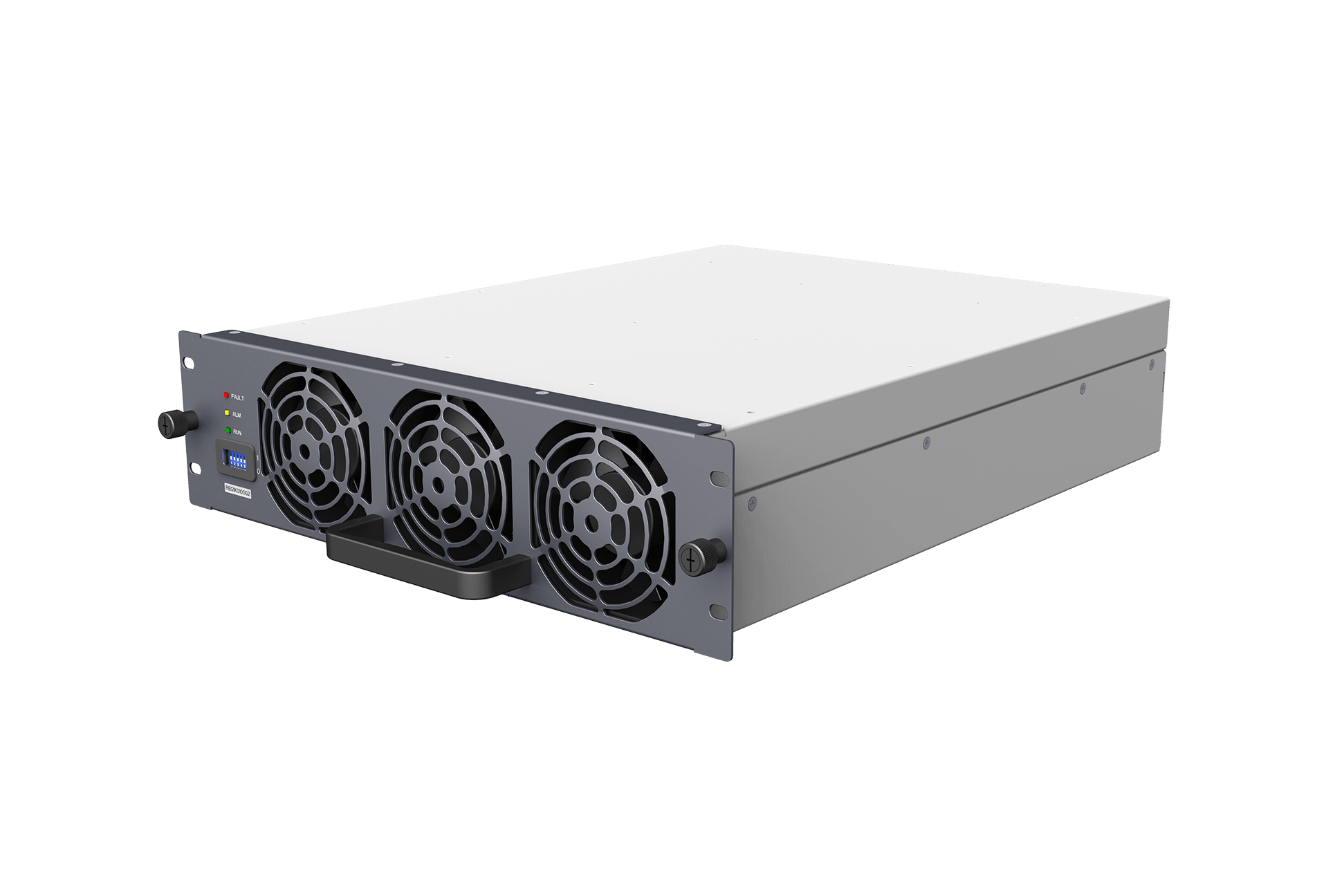
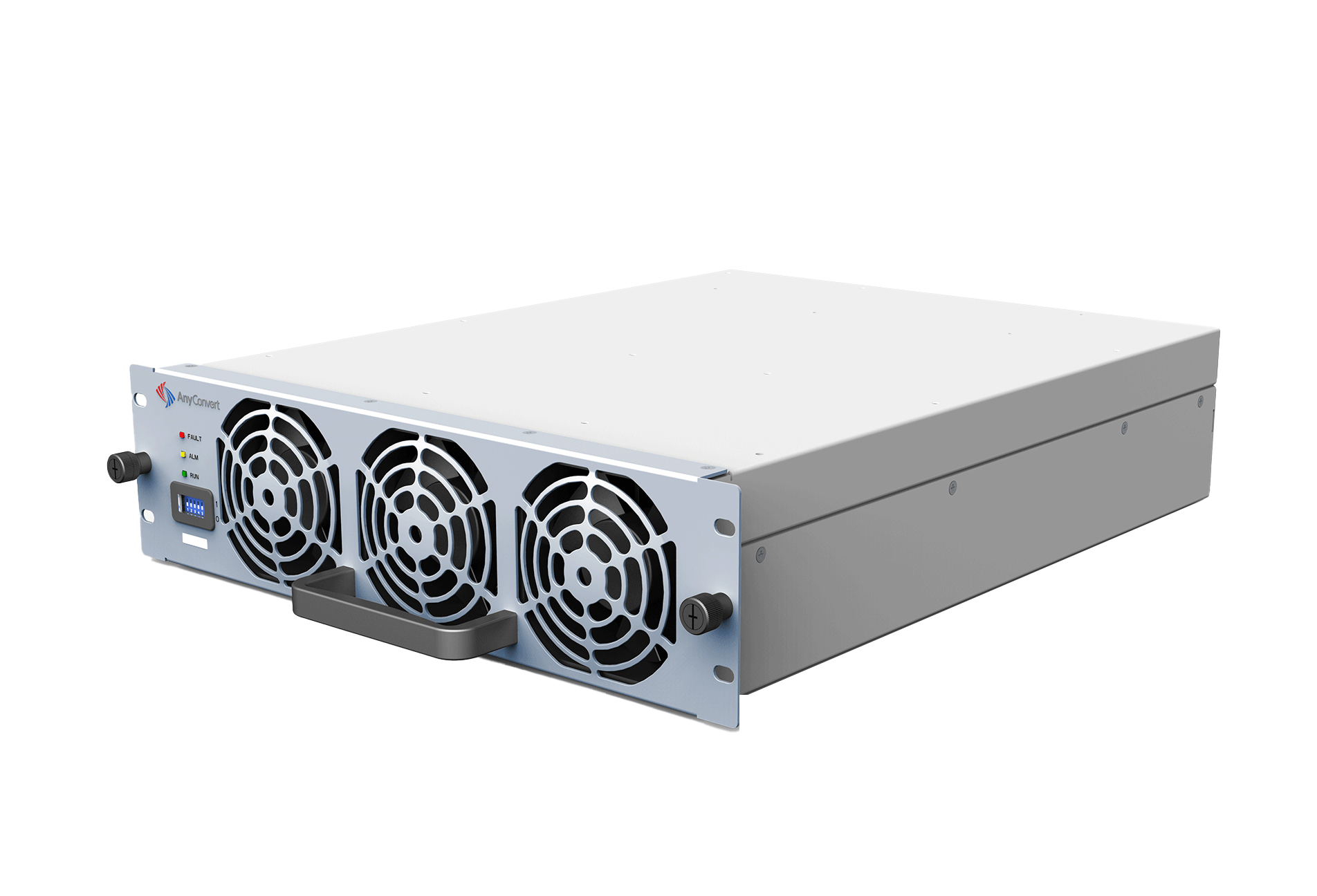
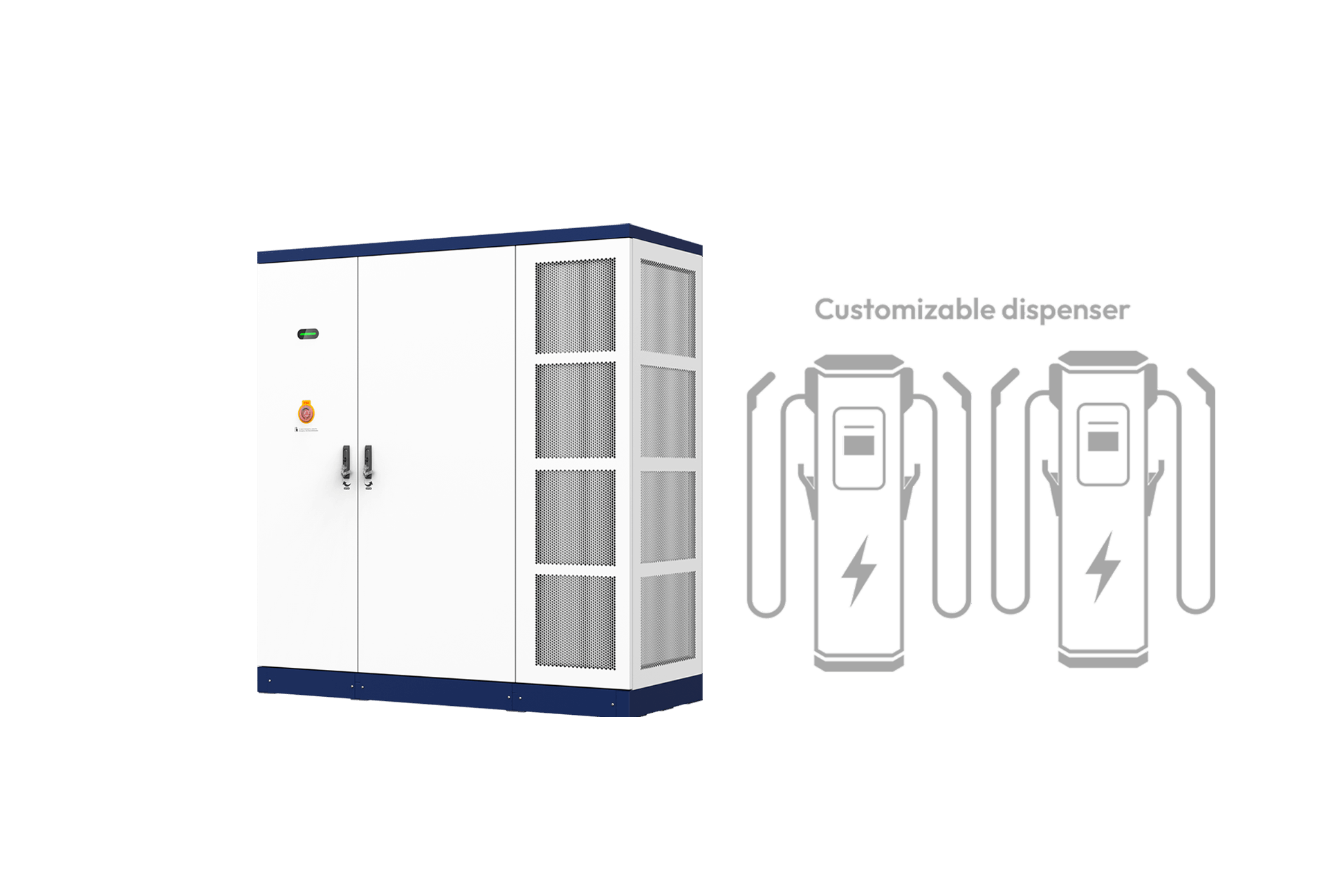
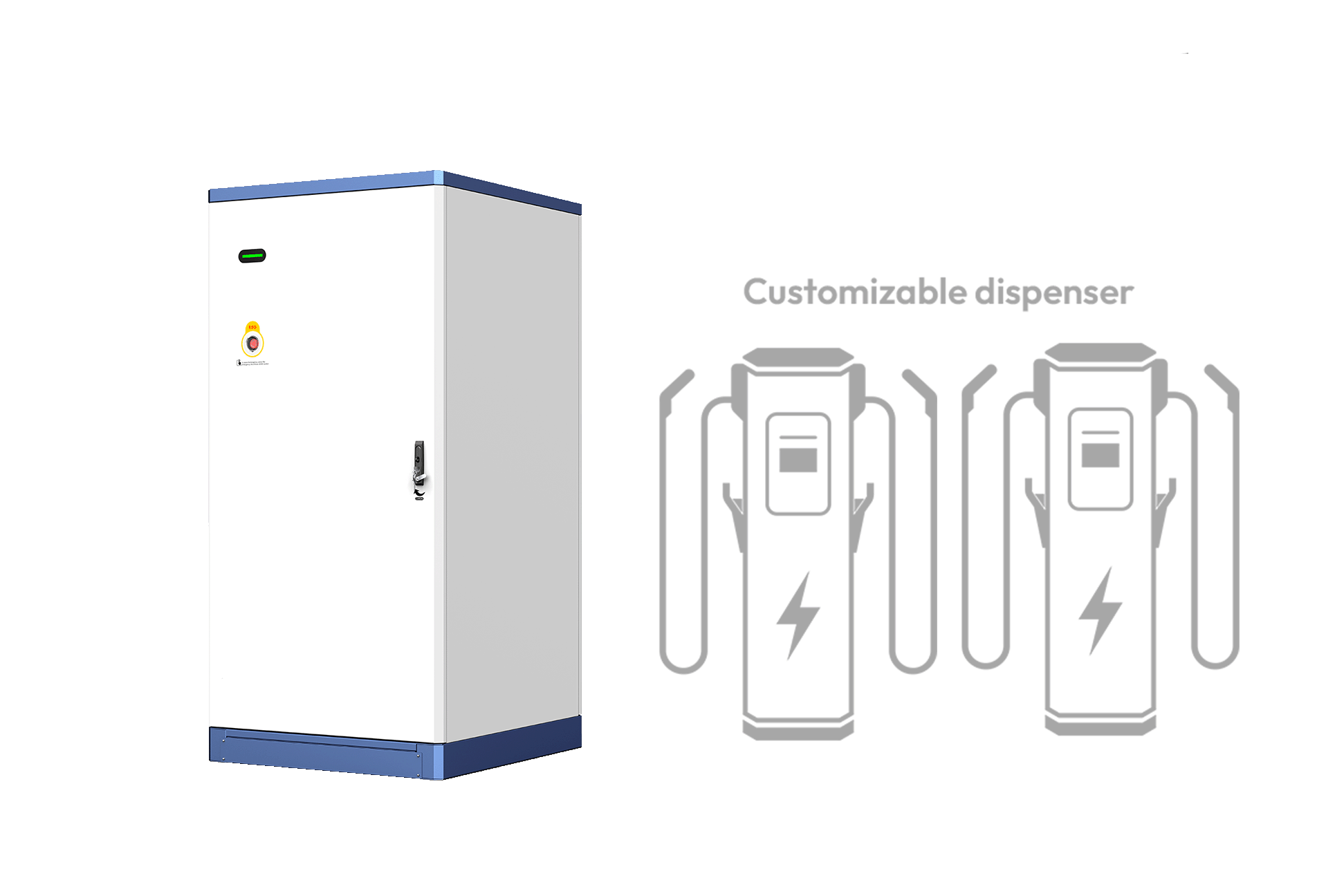
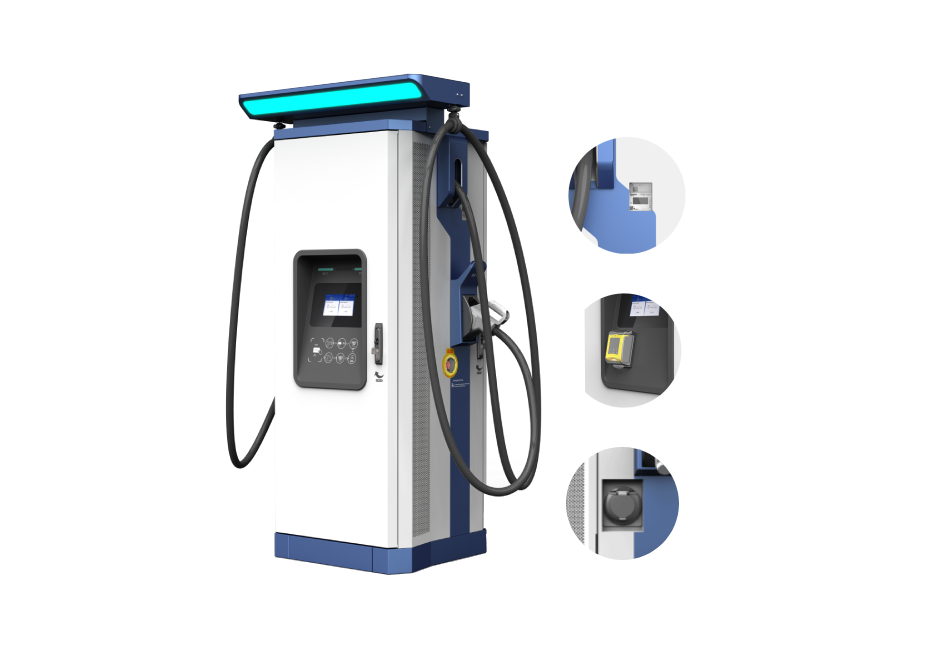
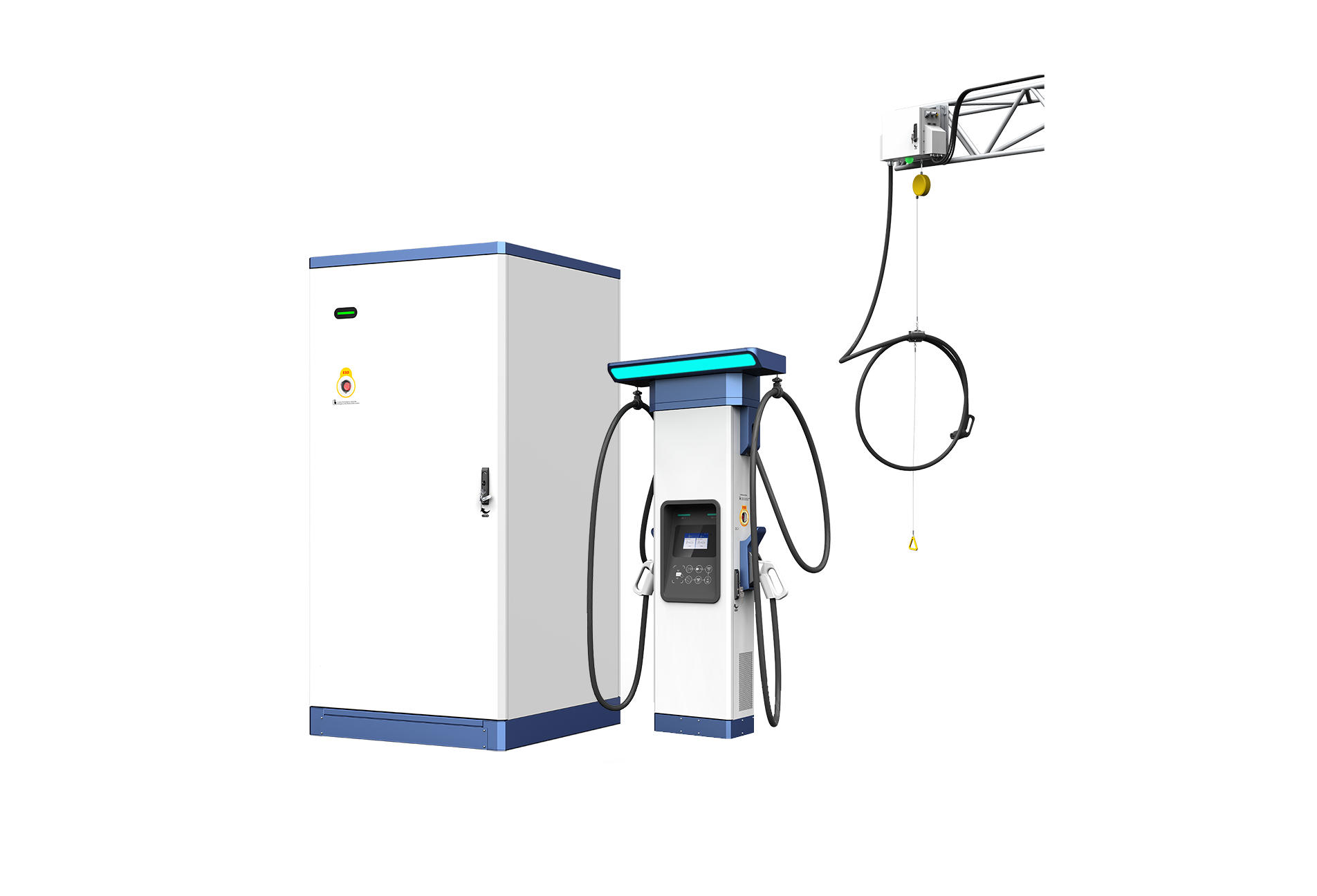
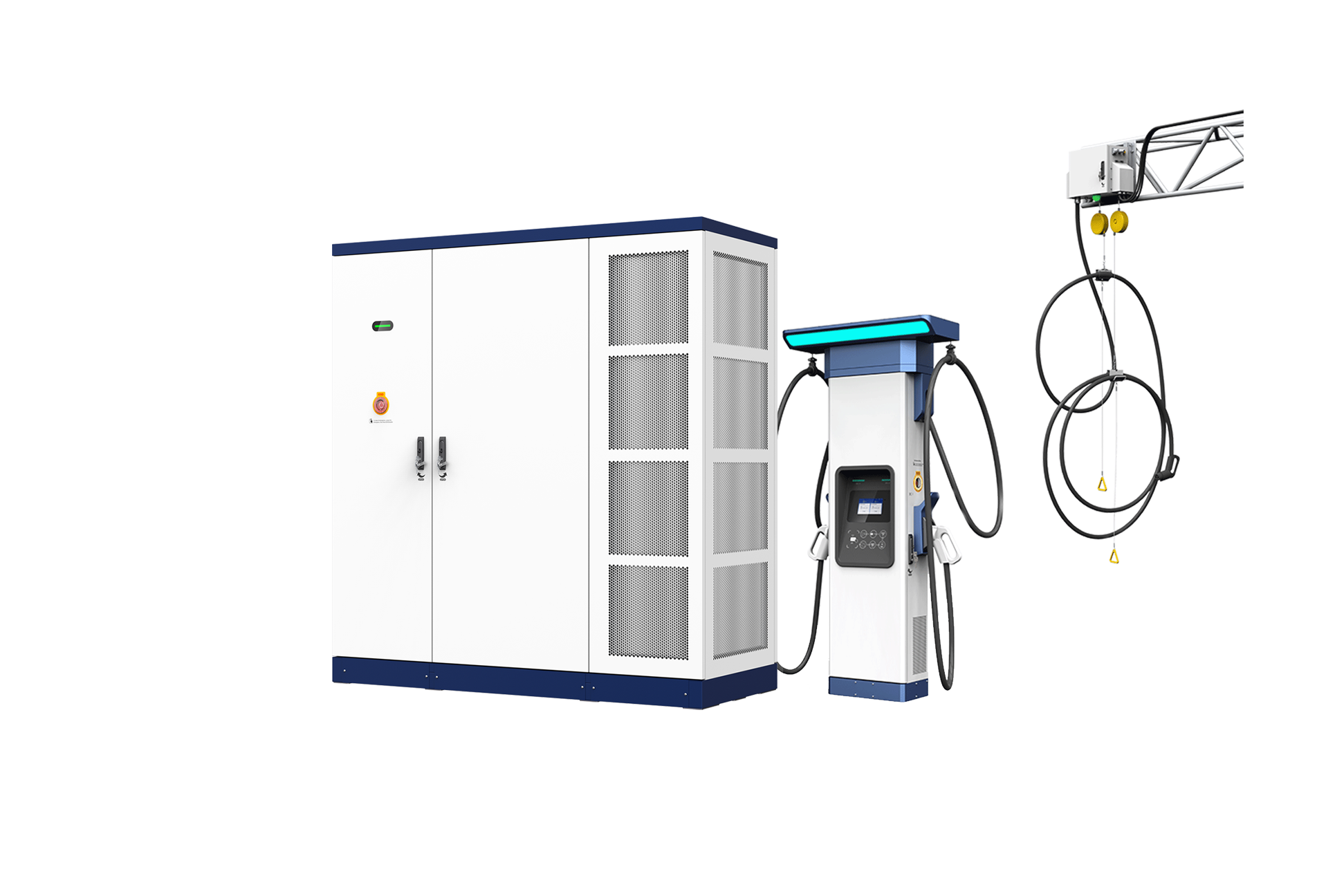
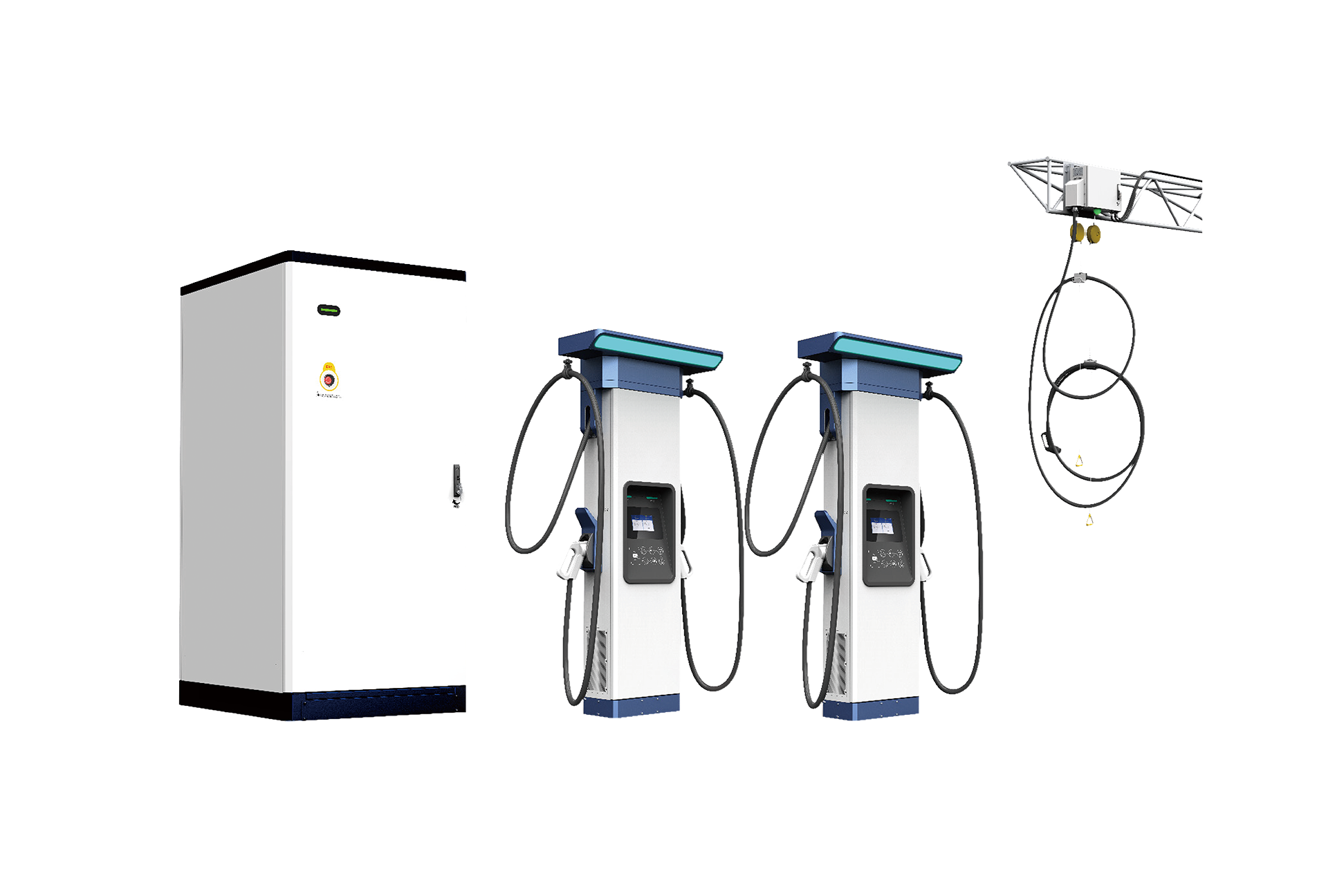
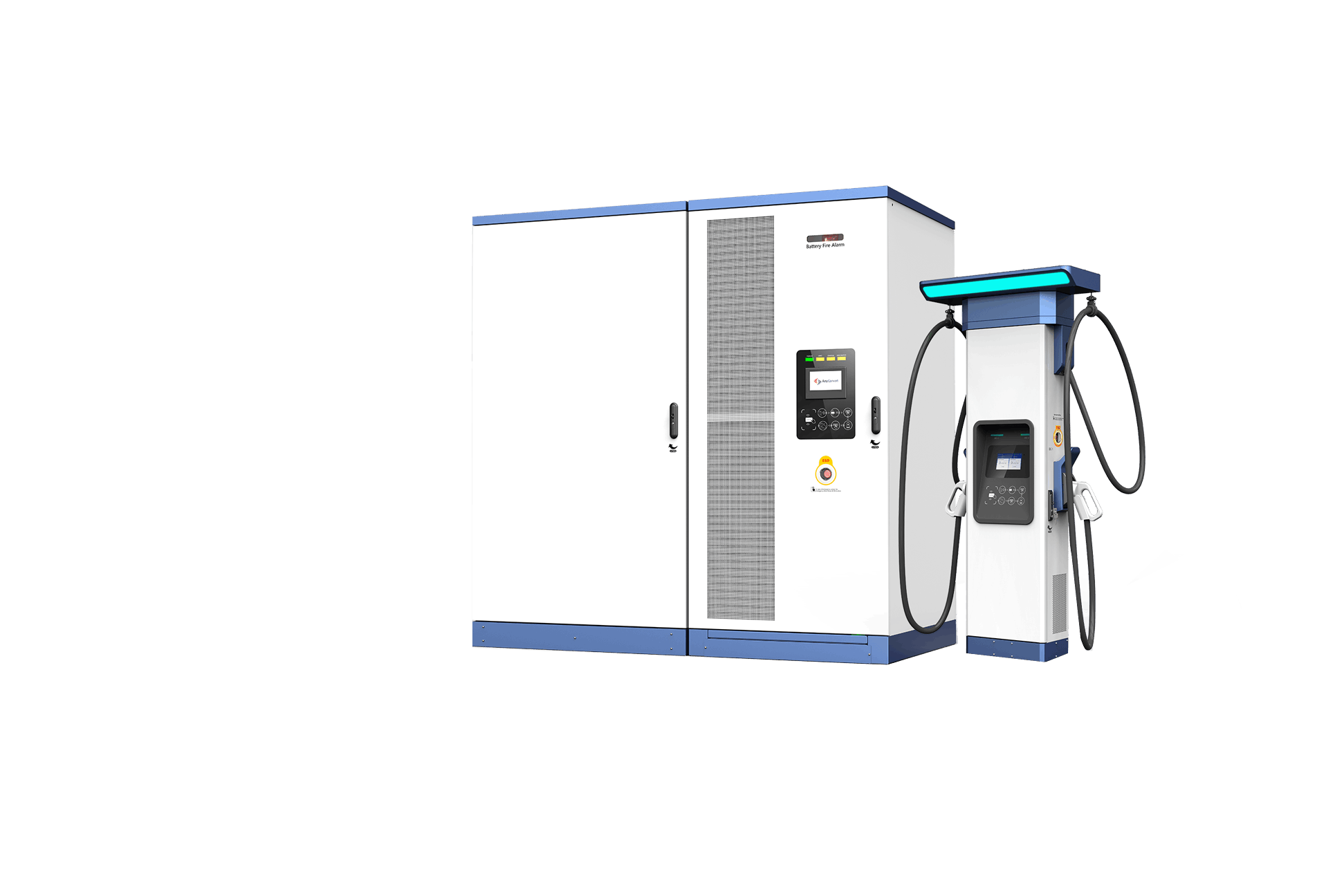
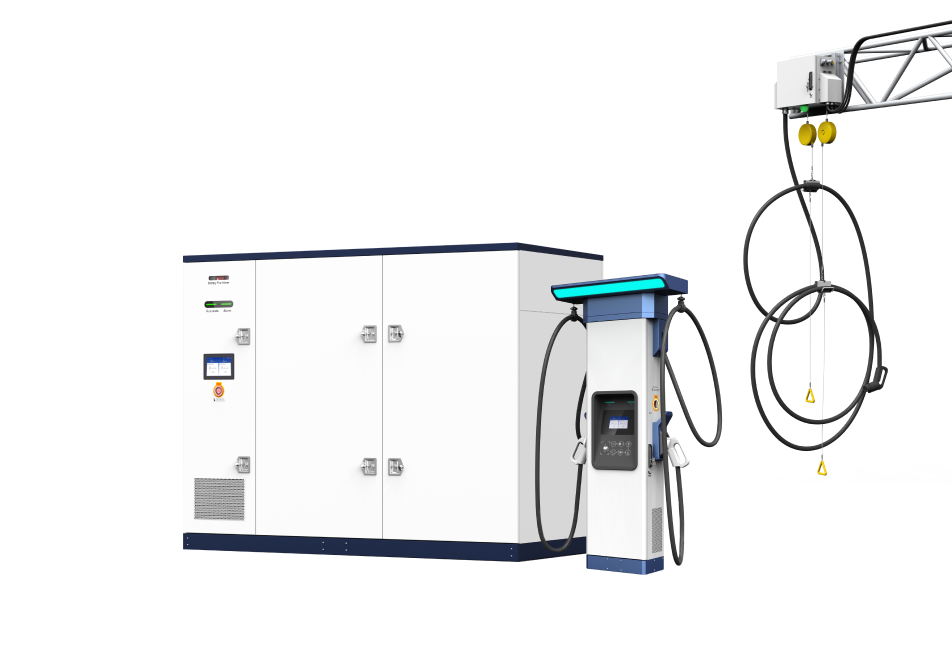
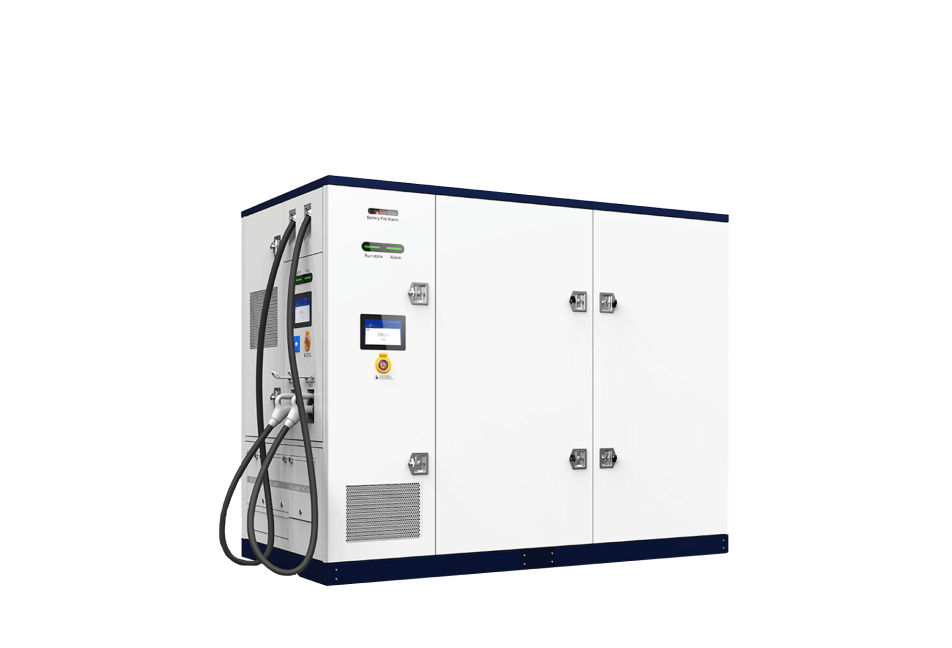
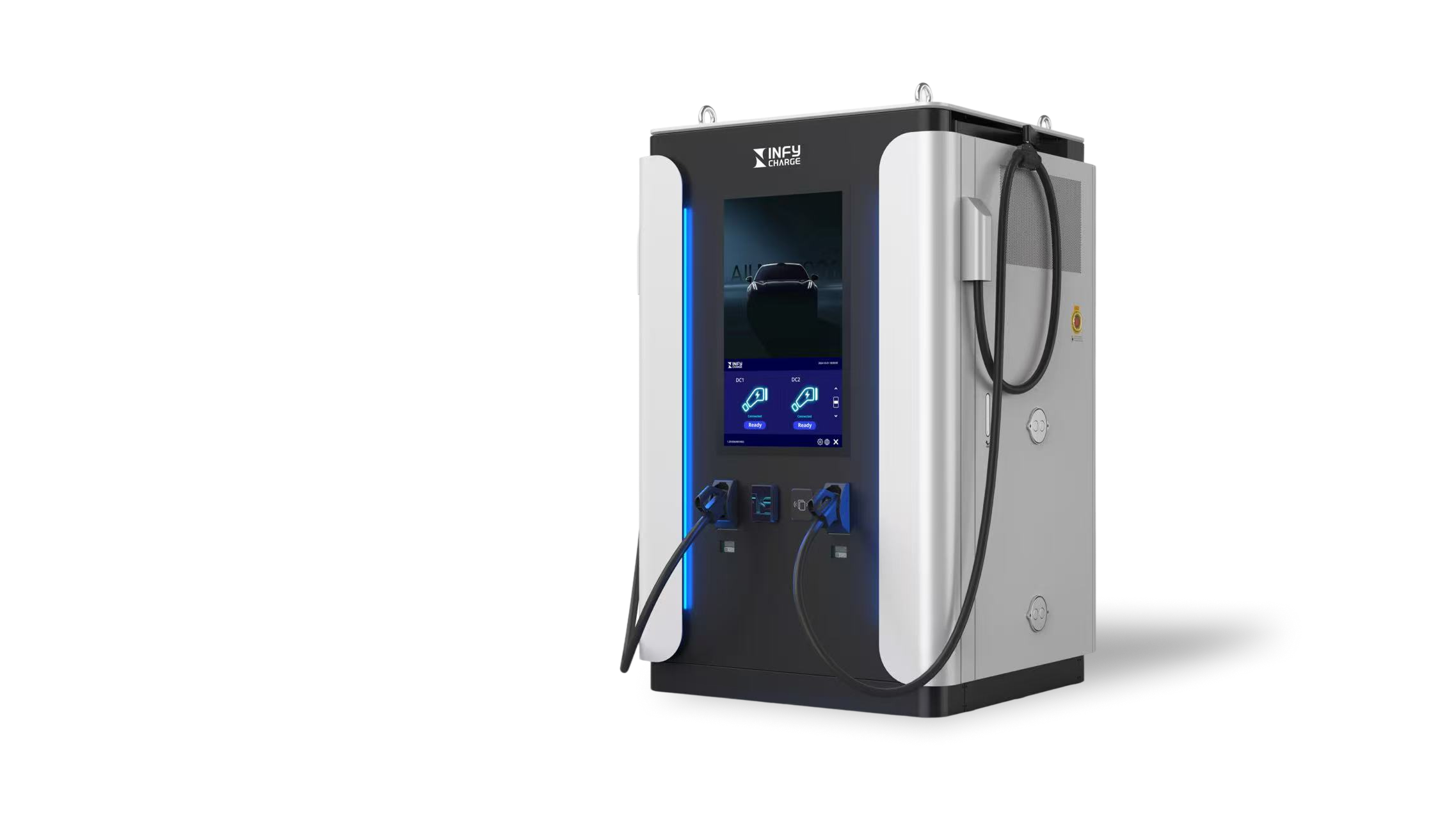
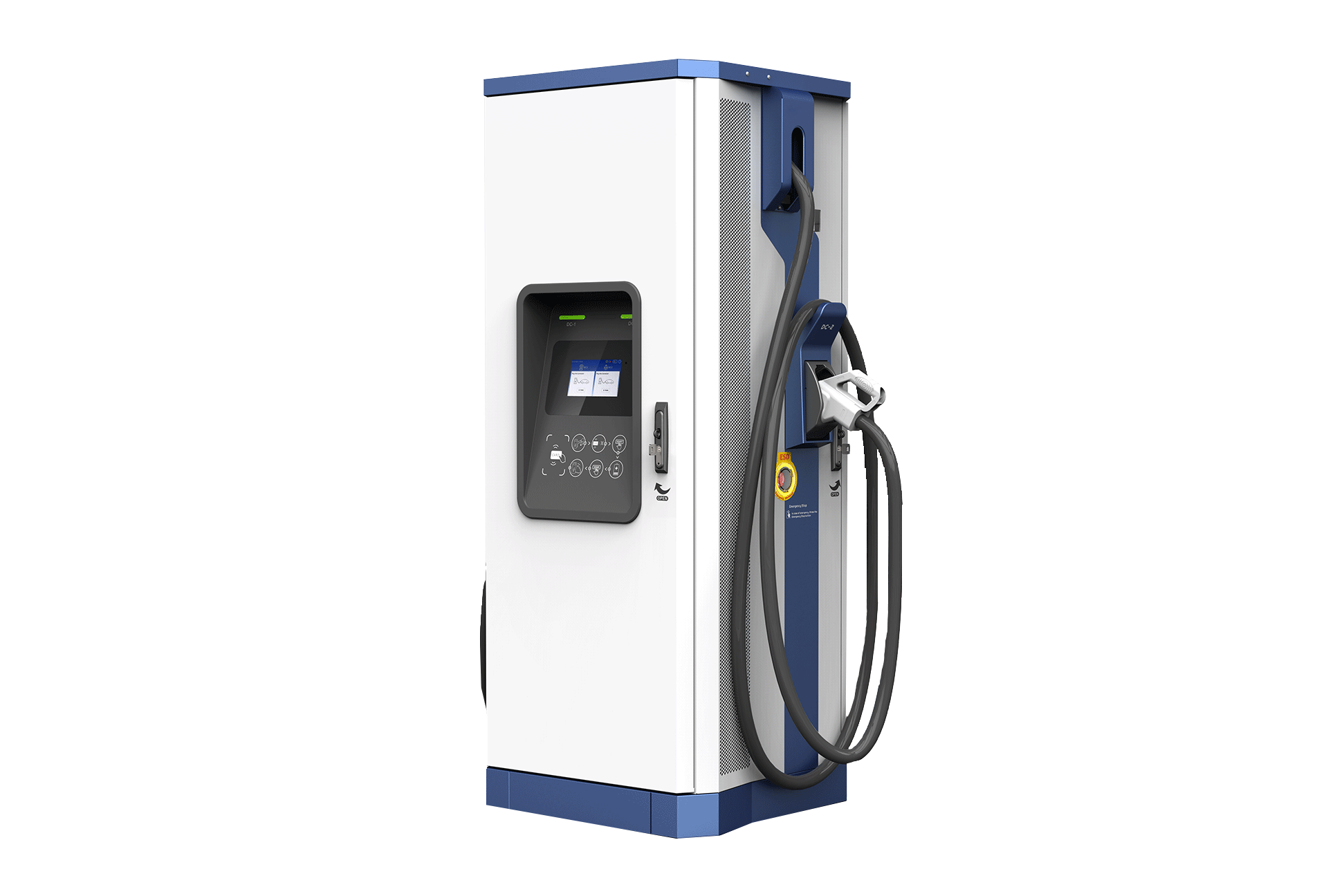
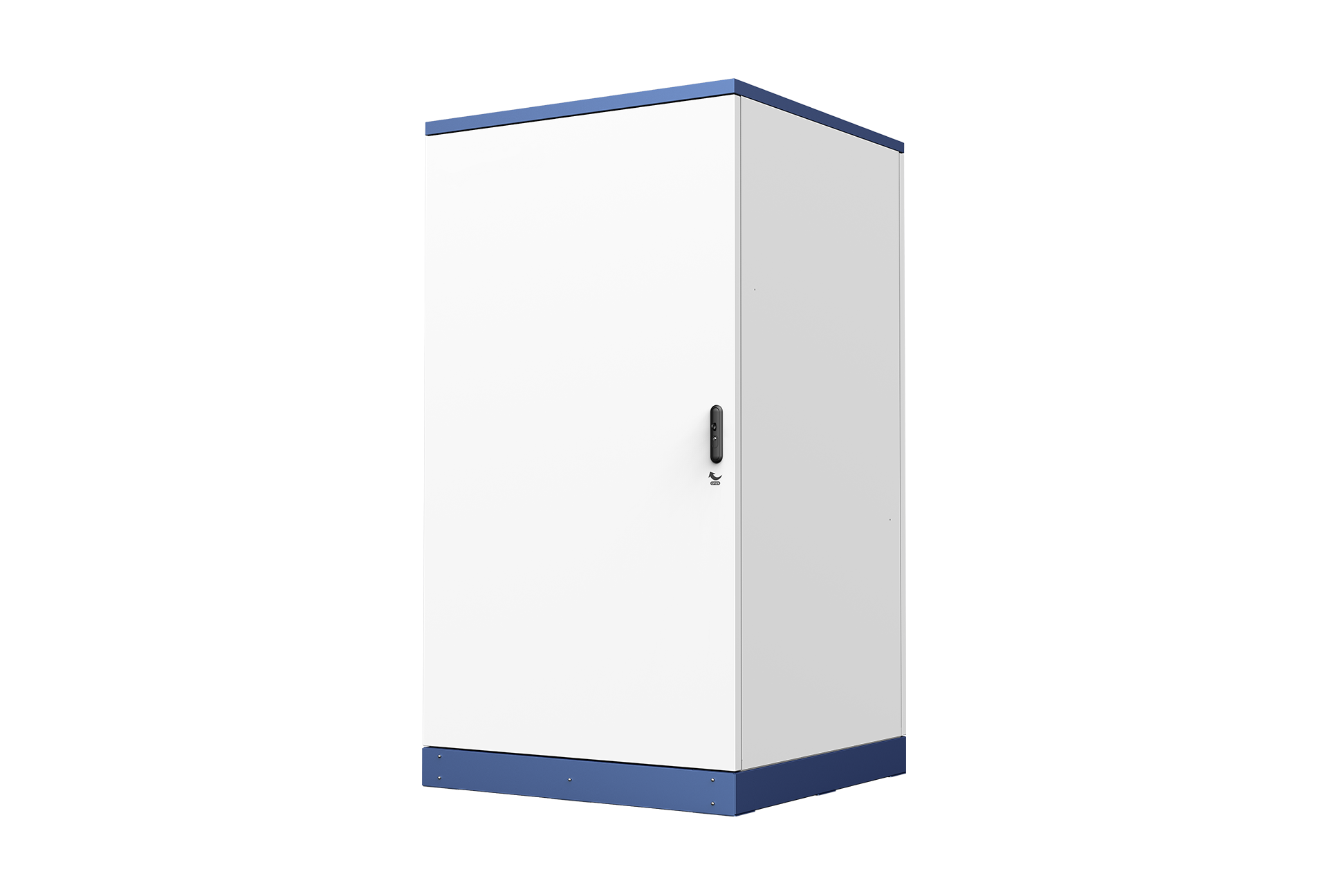
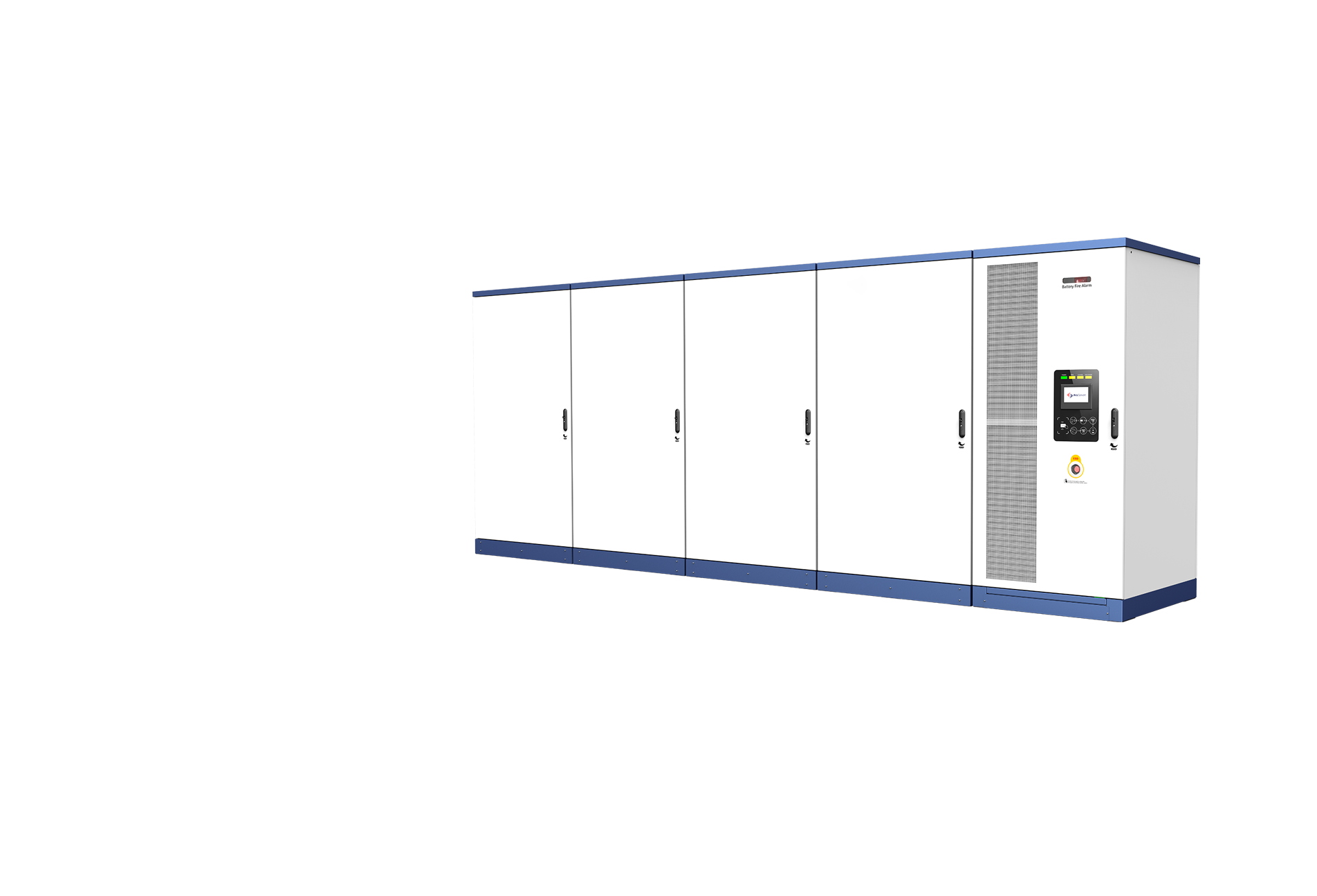
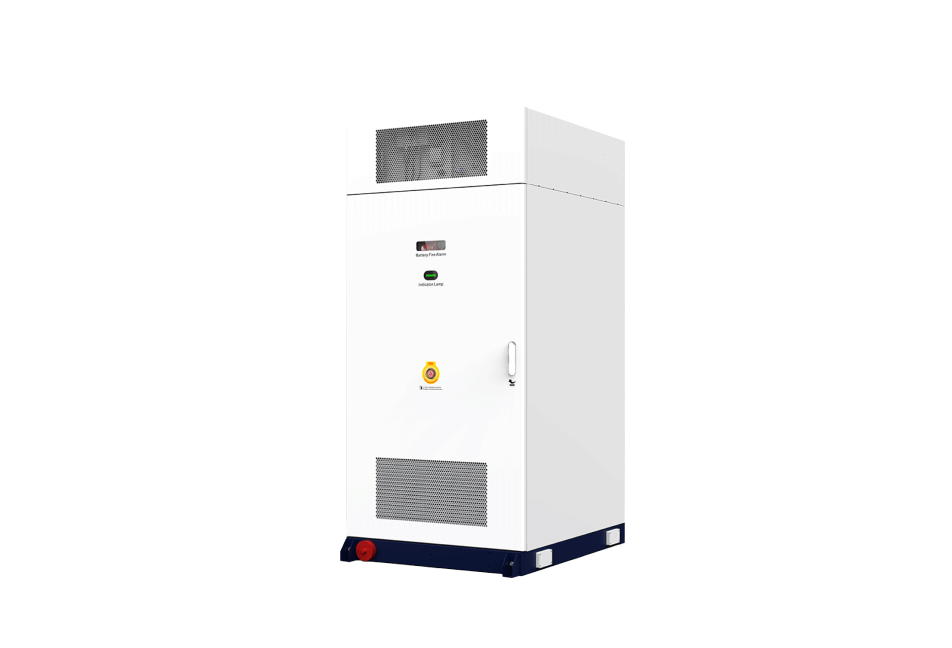
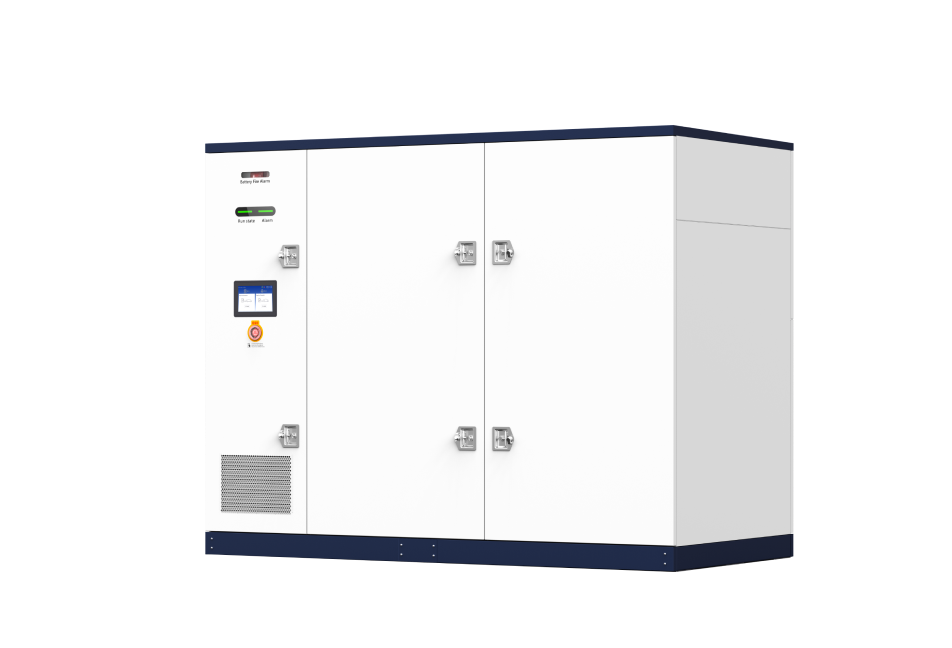
Designed for commercial and industrial applications, the IEB350kWh features a fully liquid-cooled, all-in-one architecture that delivers exceptional safety, high reliability, and true plug-and-play simplicity. Equipped with two 175kWh battery packs supporting 1P charge and discharge, it is purpose-built for heavy-duty operations in harsh environments such as construction sites and mining projects.
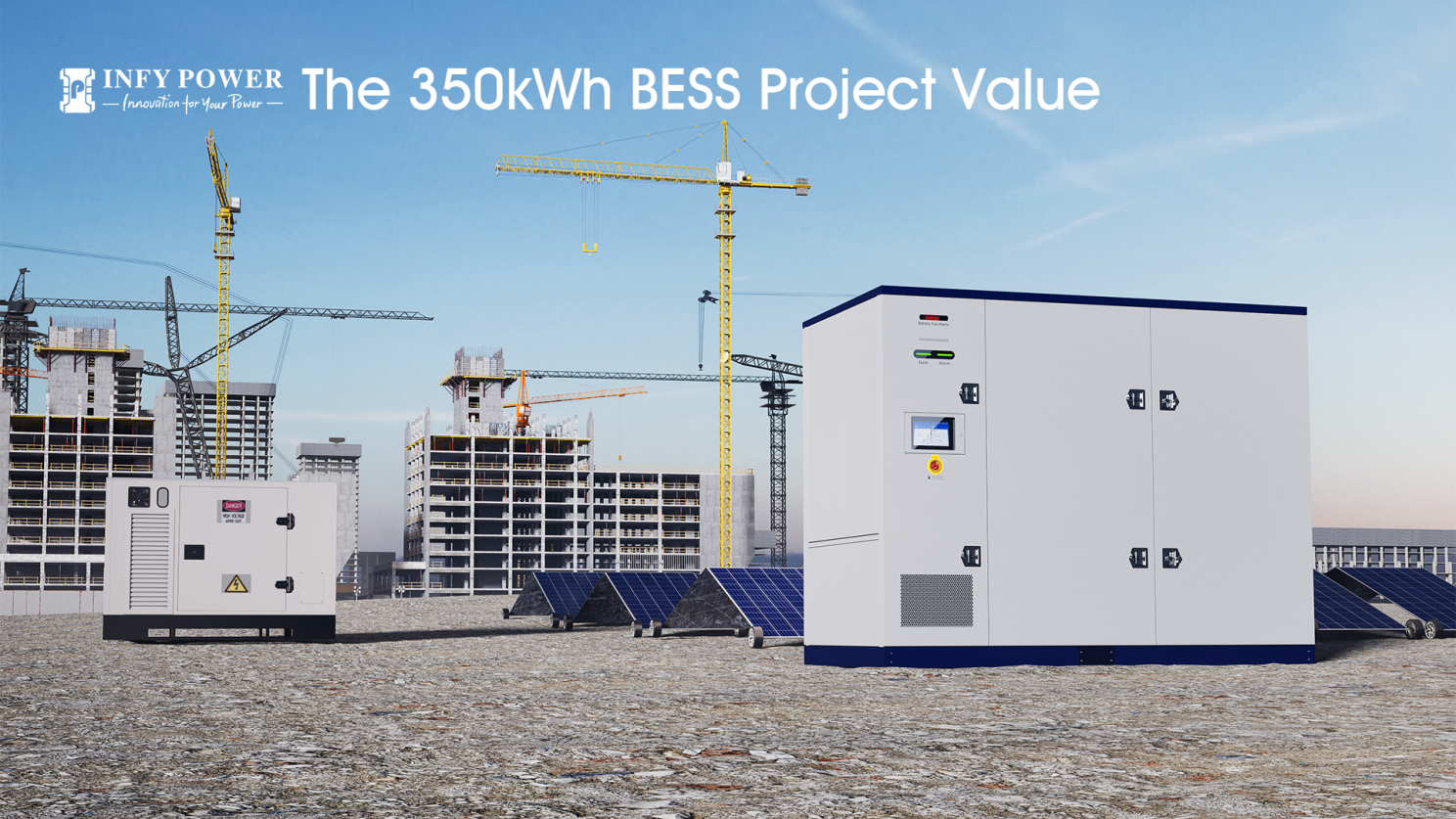
IEB350kWh BESS
By combining Infypower’s 350kWh LFP battery system to cover low-load periods and absorb peak demand, the hybrid solution significantly reduces diesel consumption, engine wear, and noise — ensuring the generator operates only within its optimal efficiency range.
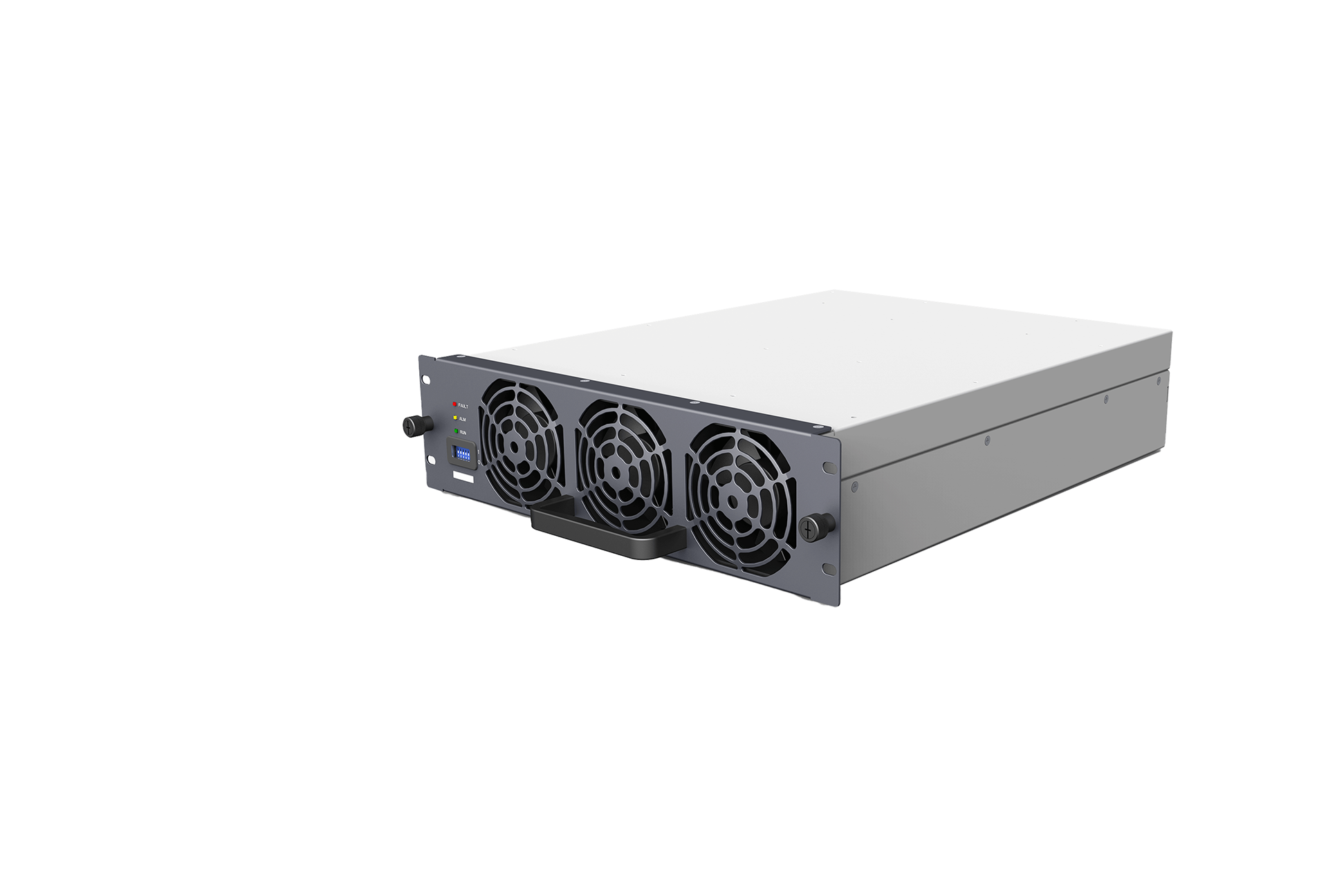
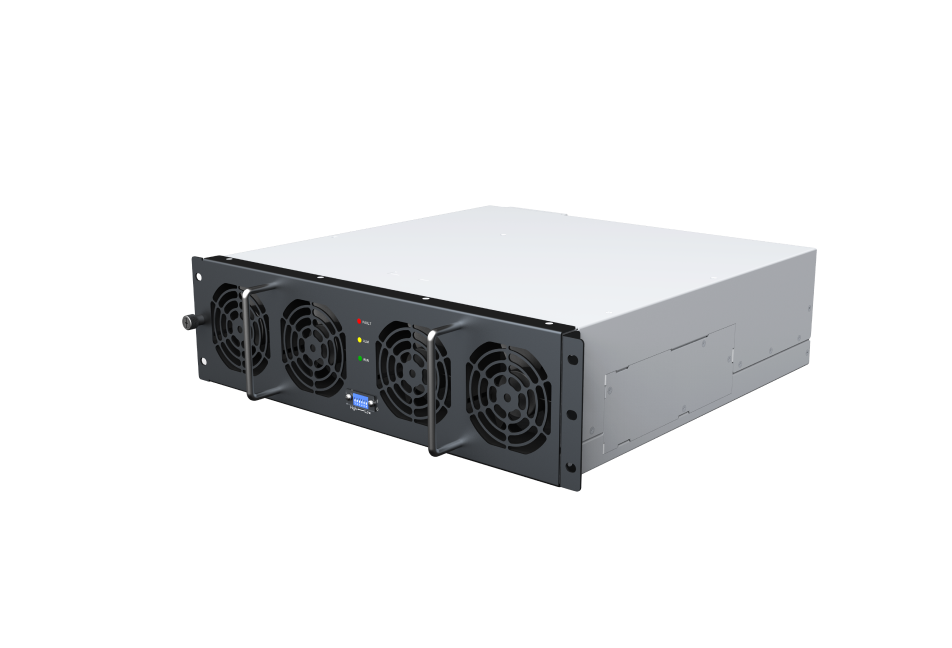
Through CAN or Modbus communication, this hybrid solution synchronizes the generator and battery, prioritizing optimal engine loading at all times. Equipped with 200–300 kVA bidirectional inverter capacity, our 350kWh BESS operates under a simple and effective control logic:
1. Optimal charging: the generator operates at 70–85% load to power the site and recharge the battery.
2. Silent / valley hours: the battery supplies power when site demand is low, allowing the generator to remain off.
3. Peak shaving: the battery absorbs short high-load peaks (e.g., cranes, compressors) to avoid oversizing the generator.
4. Smart start: the generator starts only when battery state of charge or sustained demand requires it.
Value Analysis by Load Profile
The economic ROI is dictated by the variability of the site’s load.
Case A. Stable Moderate Loads (Site Cabins, Lighting, Tools)
Profile: ~300 kWh/day with low nighttime demand.Impact: The generator runs for a few hours at peak efficiency, then shuts down.Results: 8–10% fuel reduction; 60–70% runtime reduction.Other Benefits: silent night operation, fewer hours on the engine
Case B. High-Variability Loads (Tower Cranes, Heavy Equipment)
Profile: Low average demand (~150 kWh/day) with peaks of 80–120 kW.Impact: The BESS shaves the peaks, allowing for a smaller generator and preventing the engine from idling inefficiently.Results: 25–45% fuel reduction; up to 85% runtime reduction.
· Primary Value: Massive fuel savings and significantly lower TCO by utilizing smaller generator and smoothening operation during peaks
Case C. Mixed Loads (Pumps + Auxiliary Demand)
Profile: Average demand of 272 kWh per dayImpact: Fuel savings typically fall in the 3–8% range.Primary Value: Reliable 24/7 power with reduced carbon footprint and consistent noise mitigation.
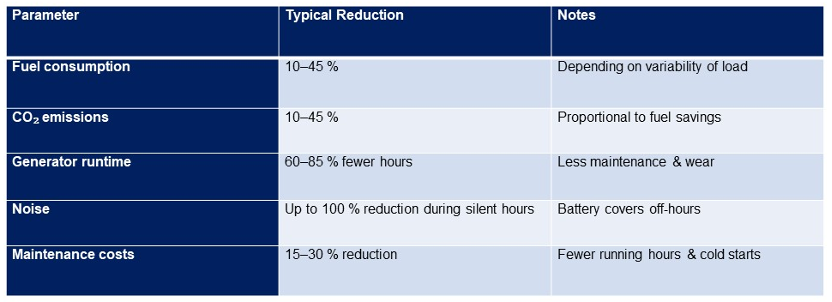
Overall Benefits
Environmental and Economic Value
Beyond fuel costs, the BESS provides a pathway to meeting ESG and low-emission zone requirements.
Carbon Reduction: Each liter of diesel saved avoids ~2.68 kg of CO₂ emissions. In high-variability scenarios, this can exceed 20 tons of CO₂ per year while improving air quality and working conditions on-site.
Payback Period: Payback ranges from 1 year (high-variability) to 3 years (stable-load), assuming 220 working days/year and diesel price of €1.50/L.
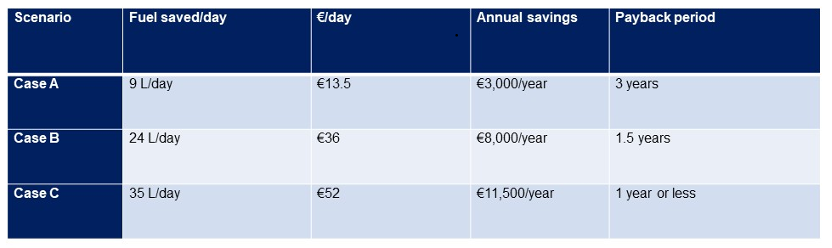
Projected Return on Investment
Note: In rental models, the ROI is immediate for zero CAPEX for the end user.
Conclusion
In off-grid hybrid diesel applications, Infypower 350kWh BESS is not designed to replace generators — it is built to optimize site operation. By maintaining the engine within its most efficient operating range and shifting load fluctuations to battery storage, remote sites can significantly reduce fuel consumption, lower operating costs, and minimize emissions.
Smarter energy management, stronger performance, and measurable savings — this is how hybrid solutions should work at remote sites.


