





Drive e-Mobility Beyond Grid Limitations
February 24, 2026
The e-Mobility transition is hitting a wall—and it’s not the vehicles, but the grid. Especially as it expands from passenger cars to heavy-duty transport, from trucks and mining fleets to vessels and airplanes eventually, the "Grid Gap" is becoming the #1 bottleneck.
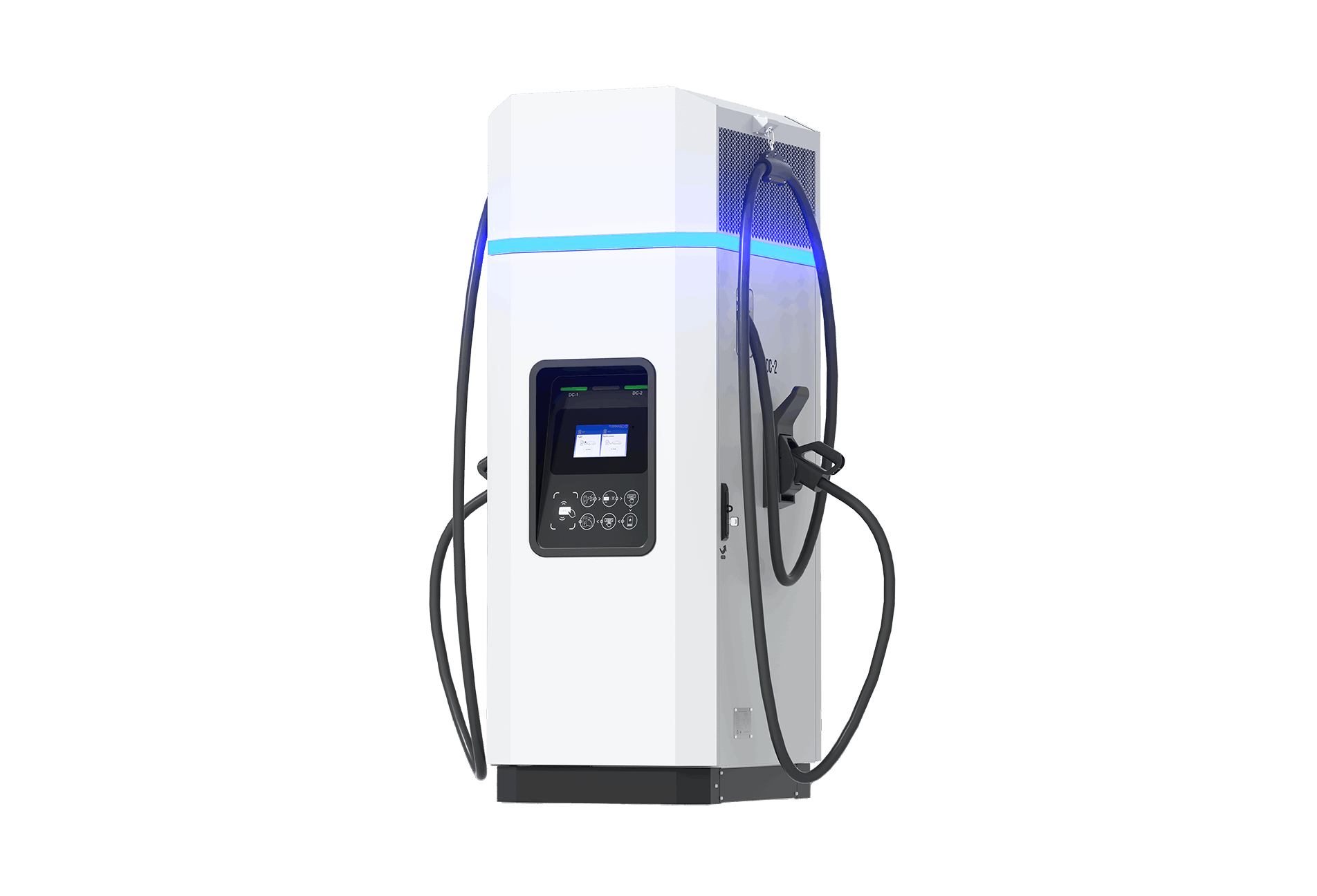
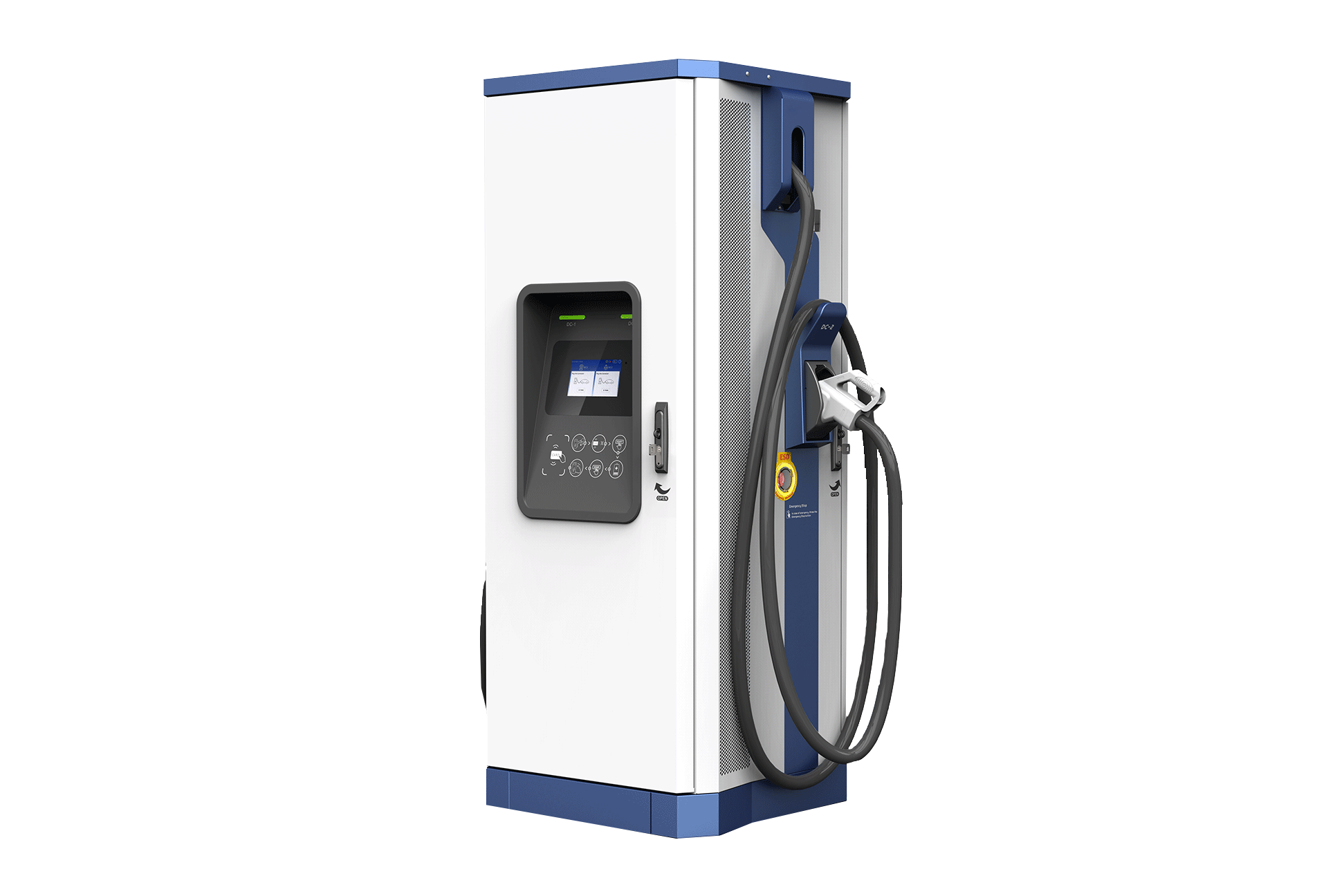
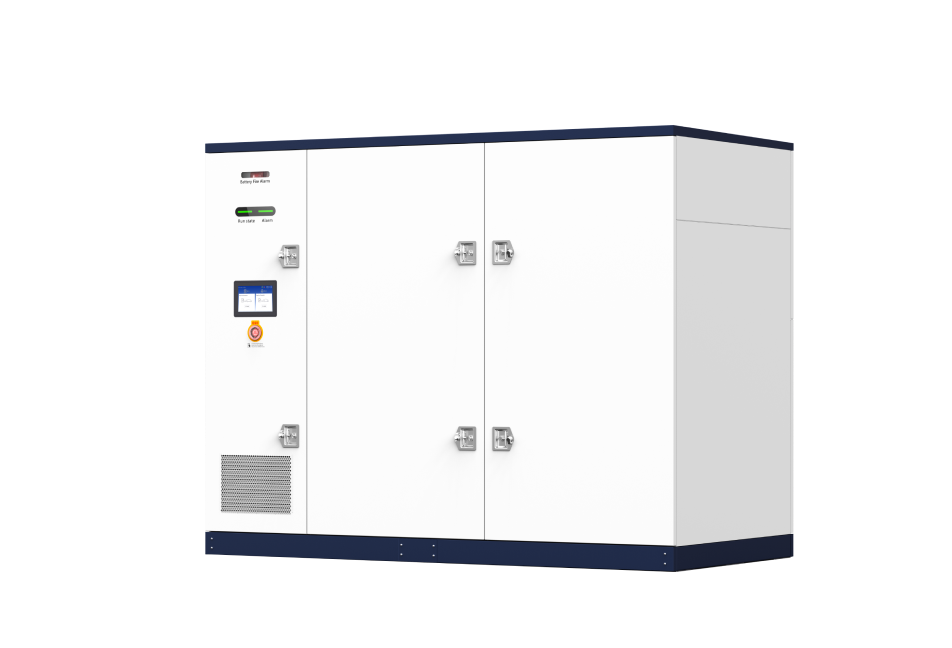
For charge point operators (CPOs), waiting 2–3 years for grid connection or transformer expansion is no longer an option. Infrastructure timelines are colliding with electrification targets. Today, we are officially launching an integrated all-in-one solution to this deadlock: the 250kW/175kWh Liquid-Cooled EV Charging & Energy Storage System.
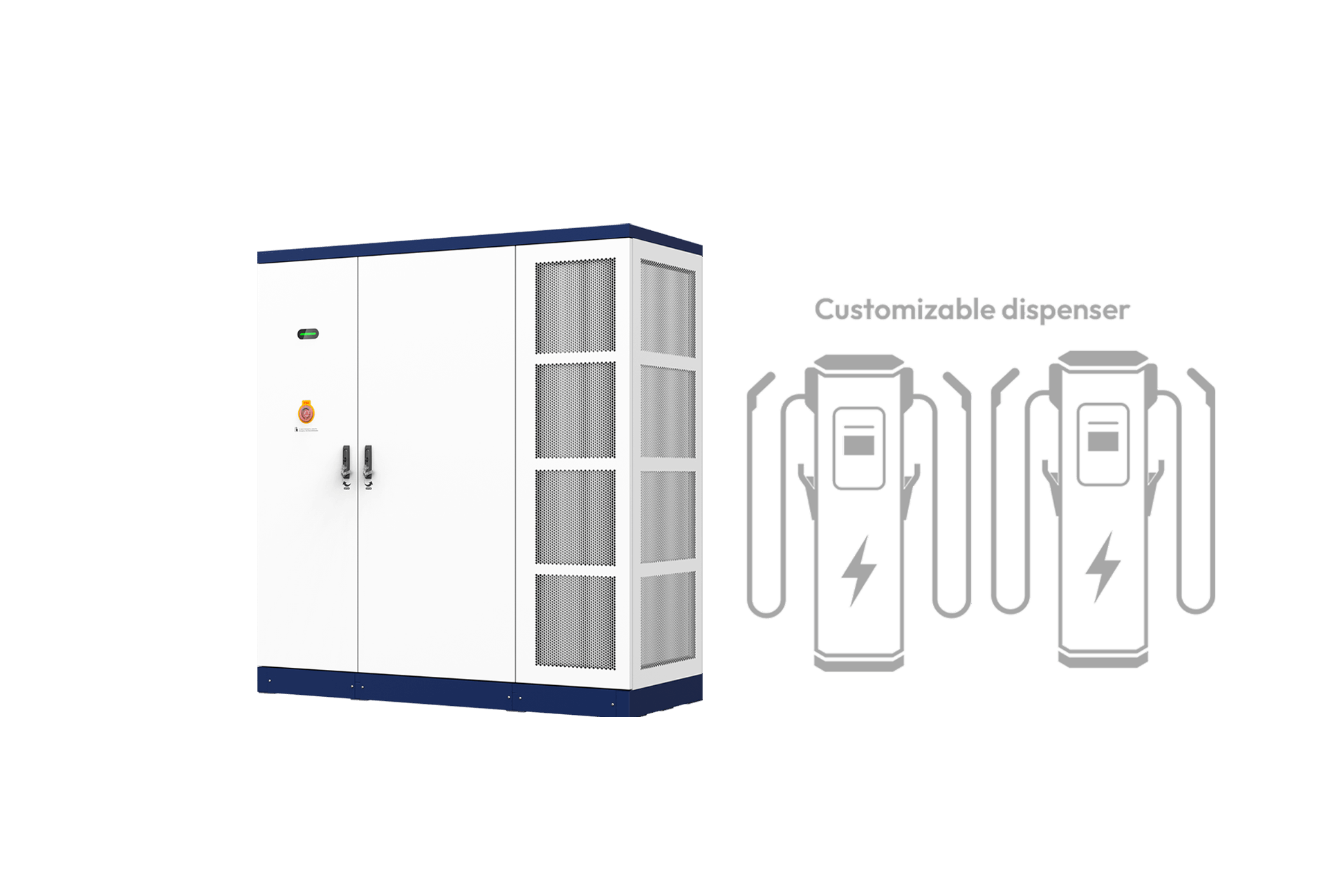
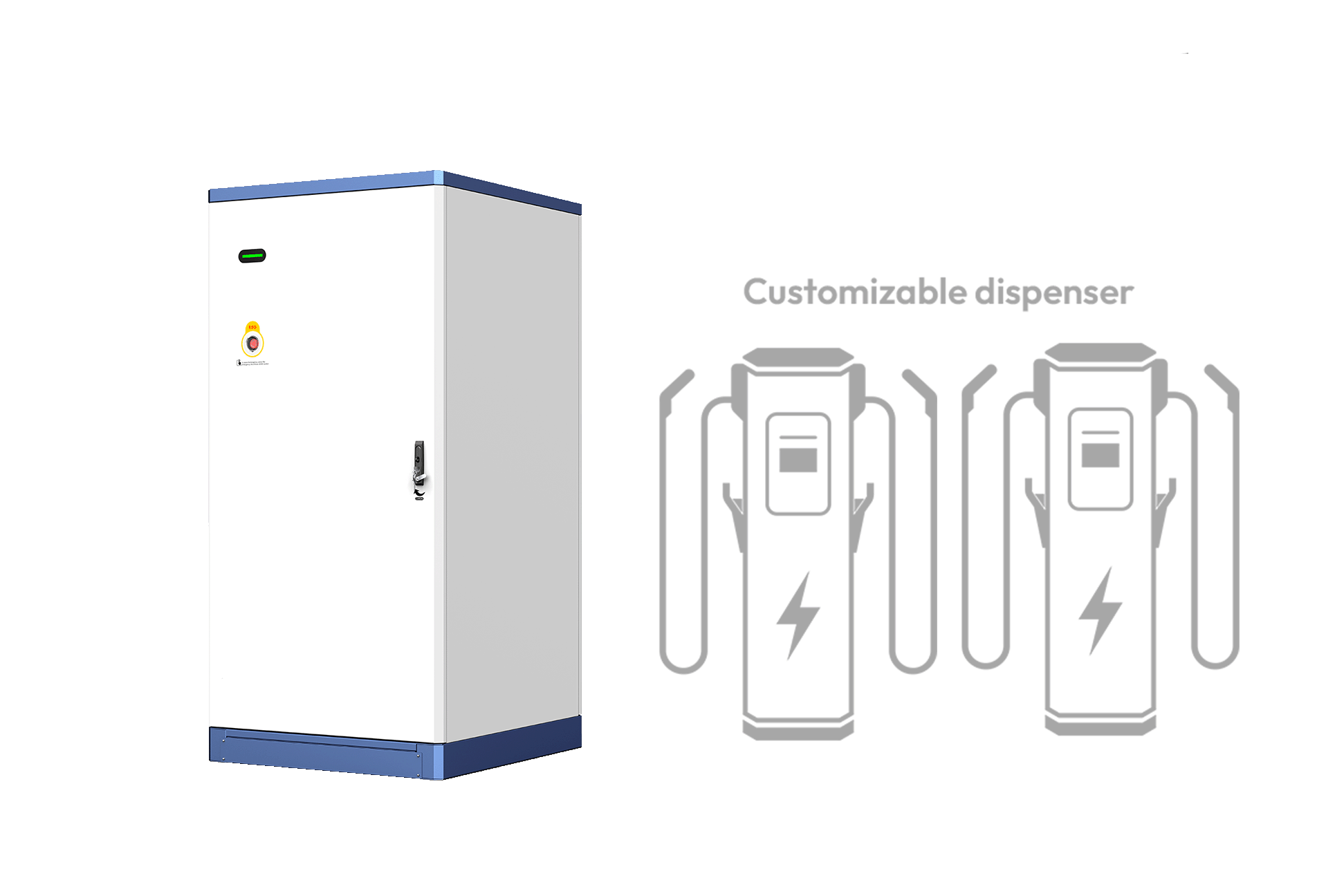
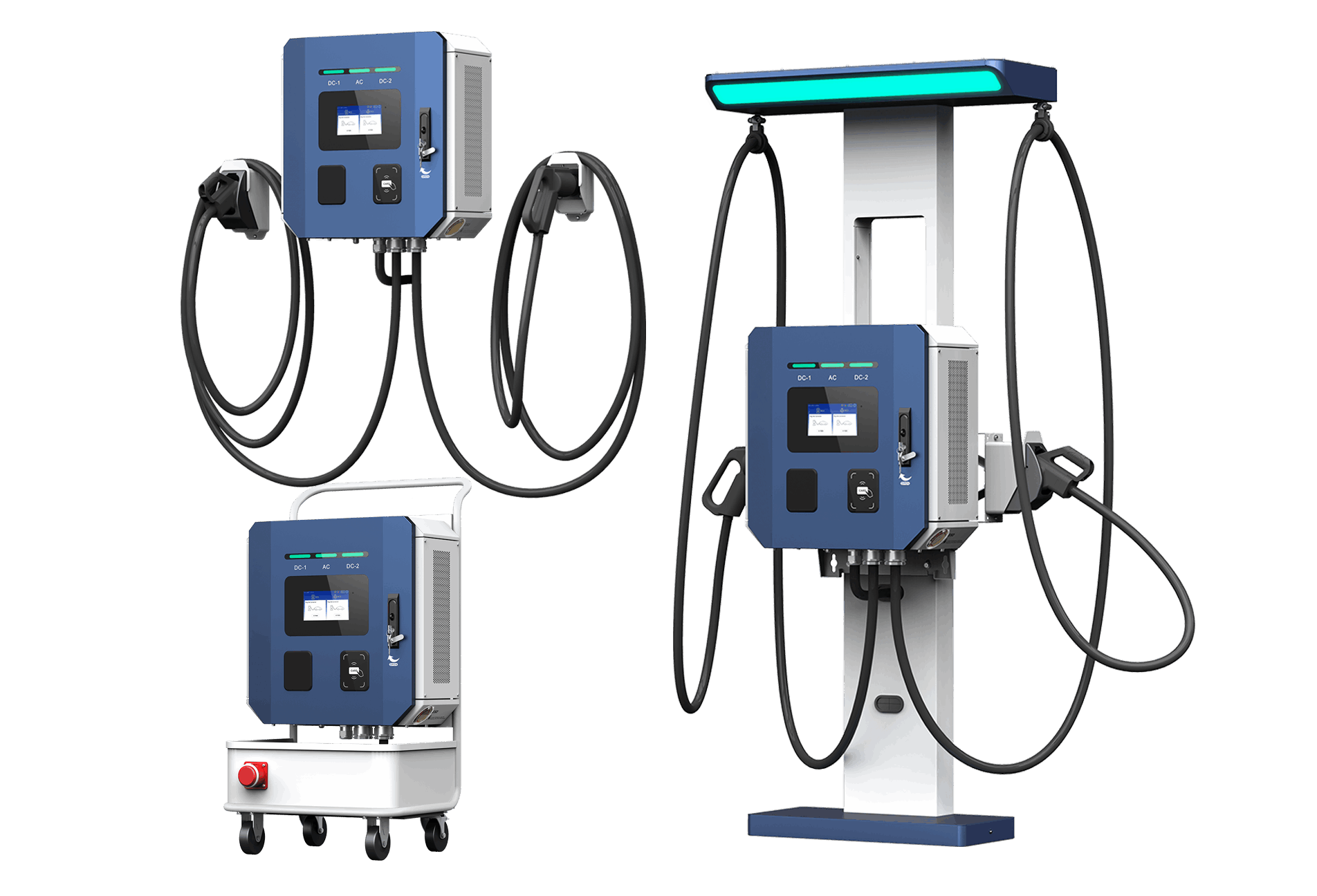
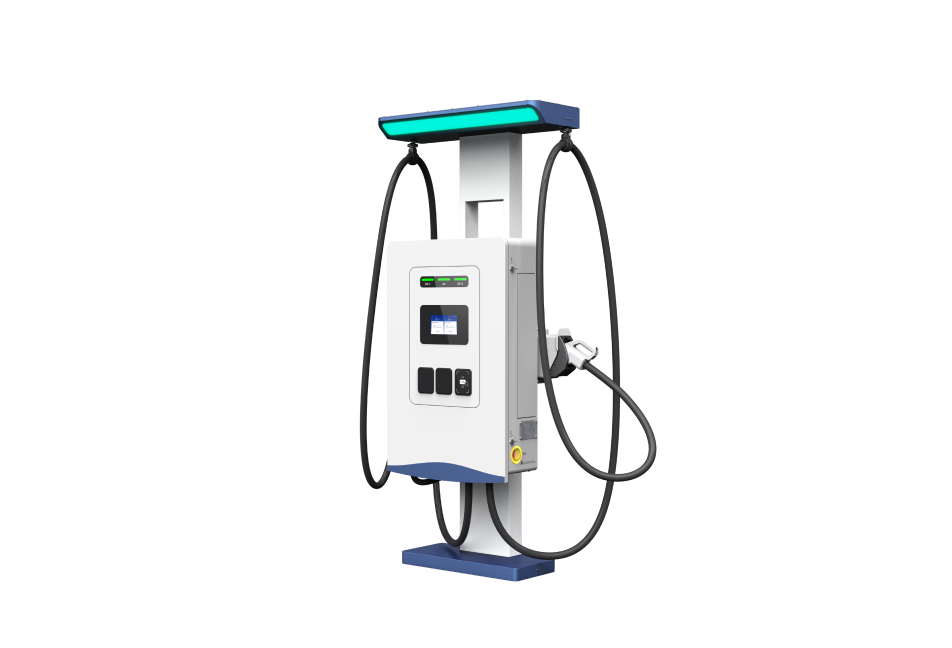
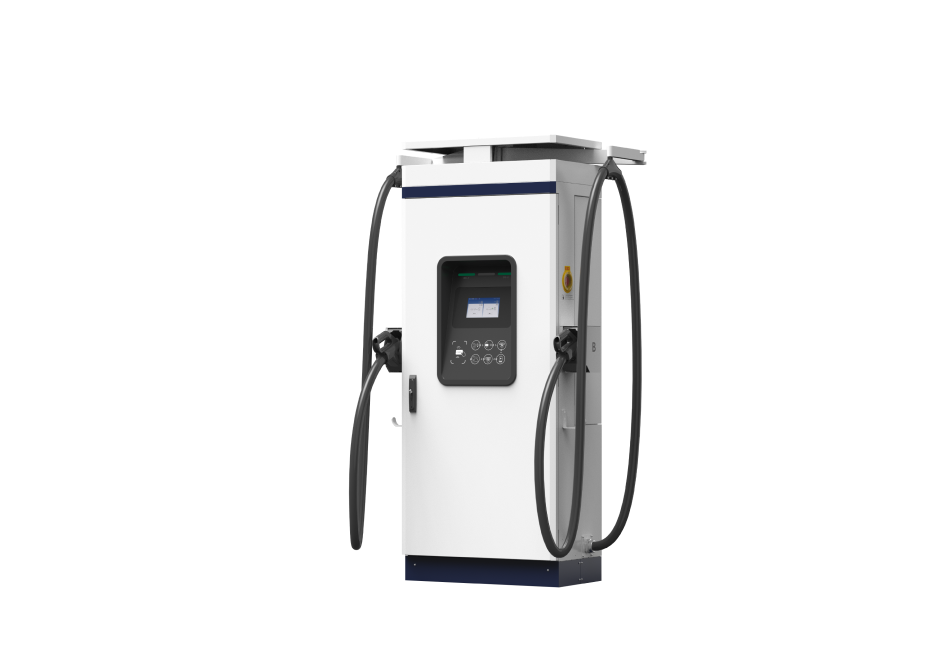
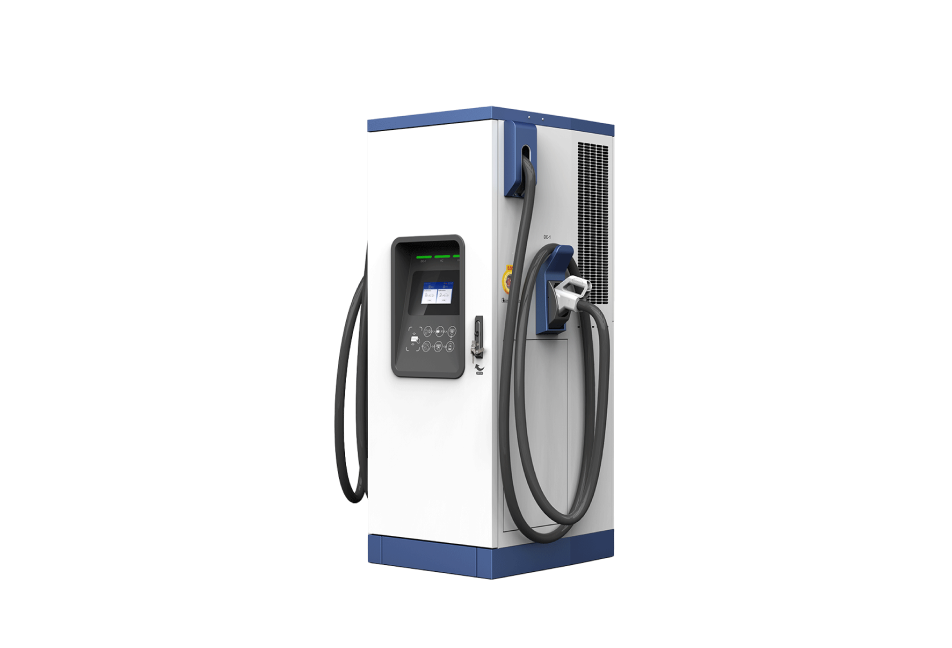
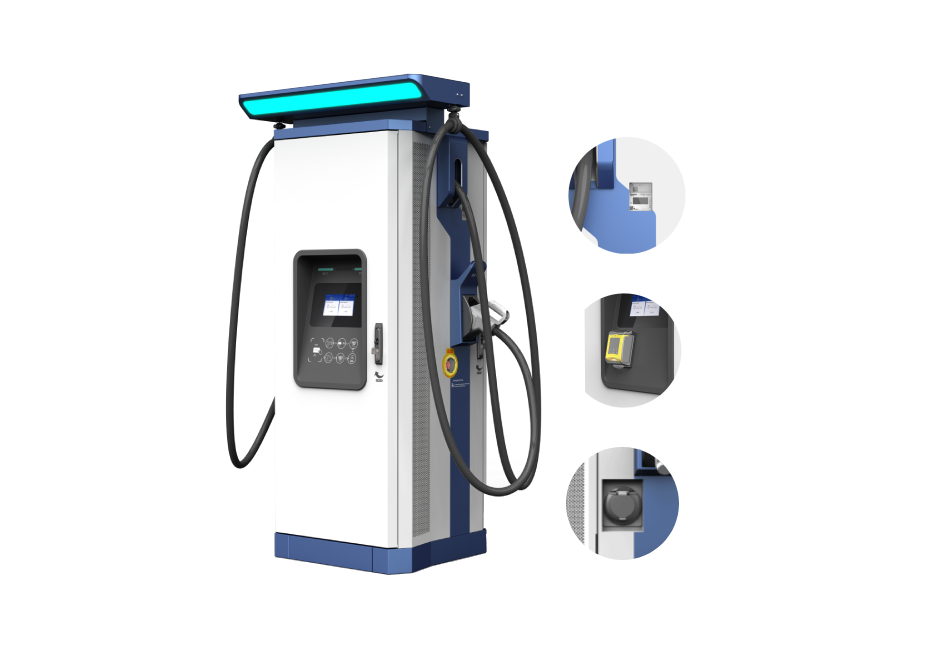
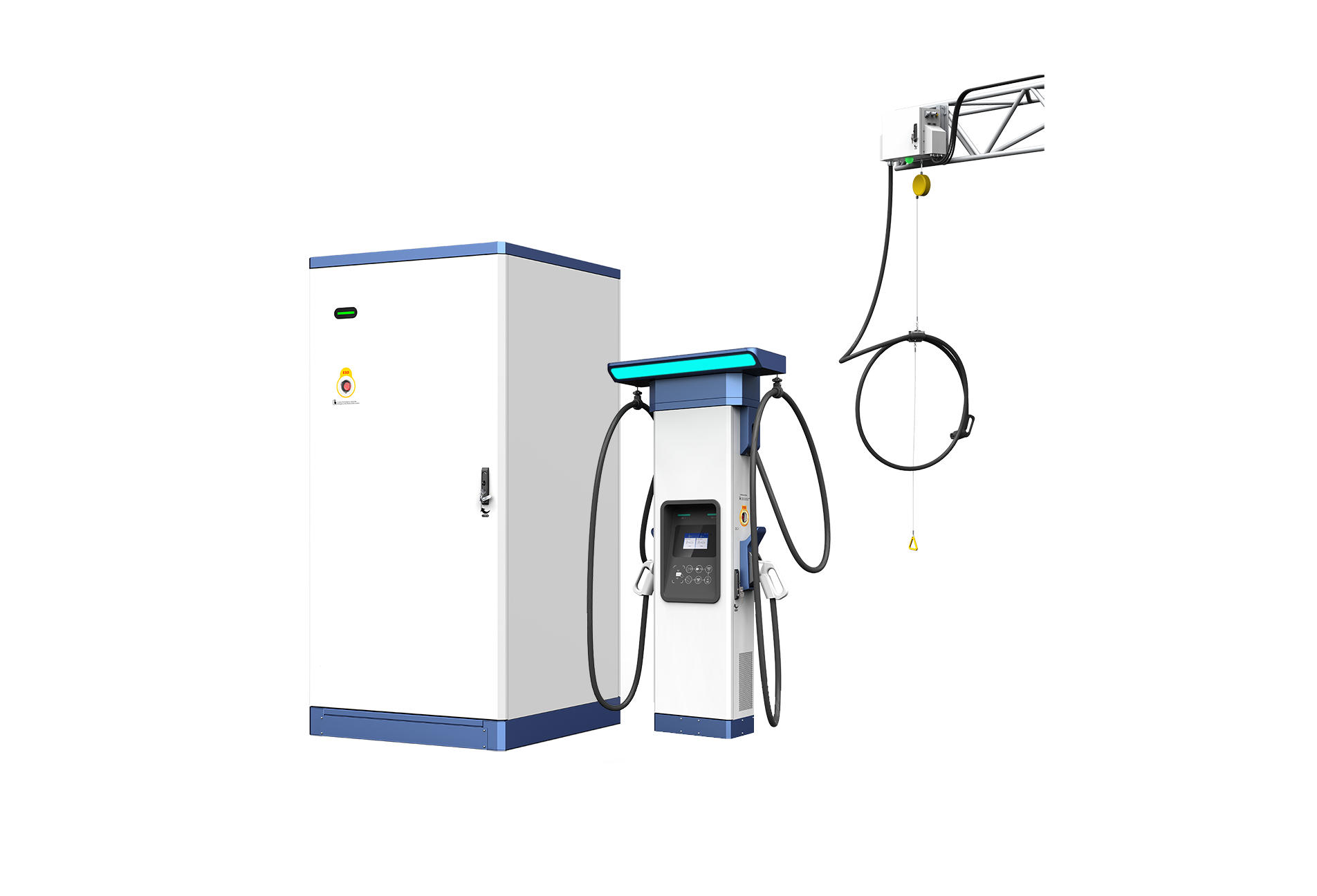
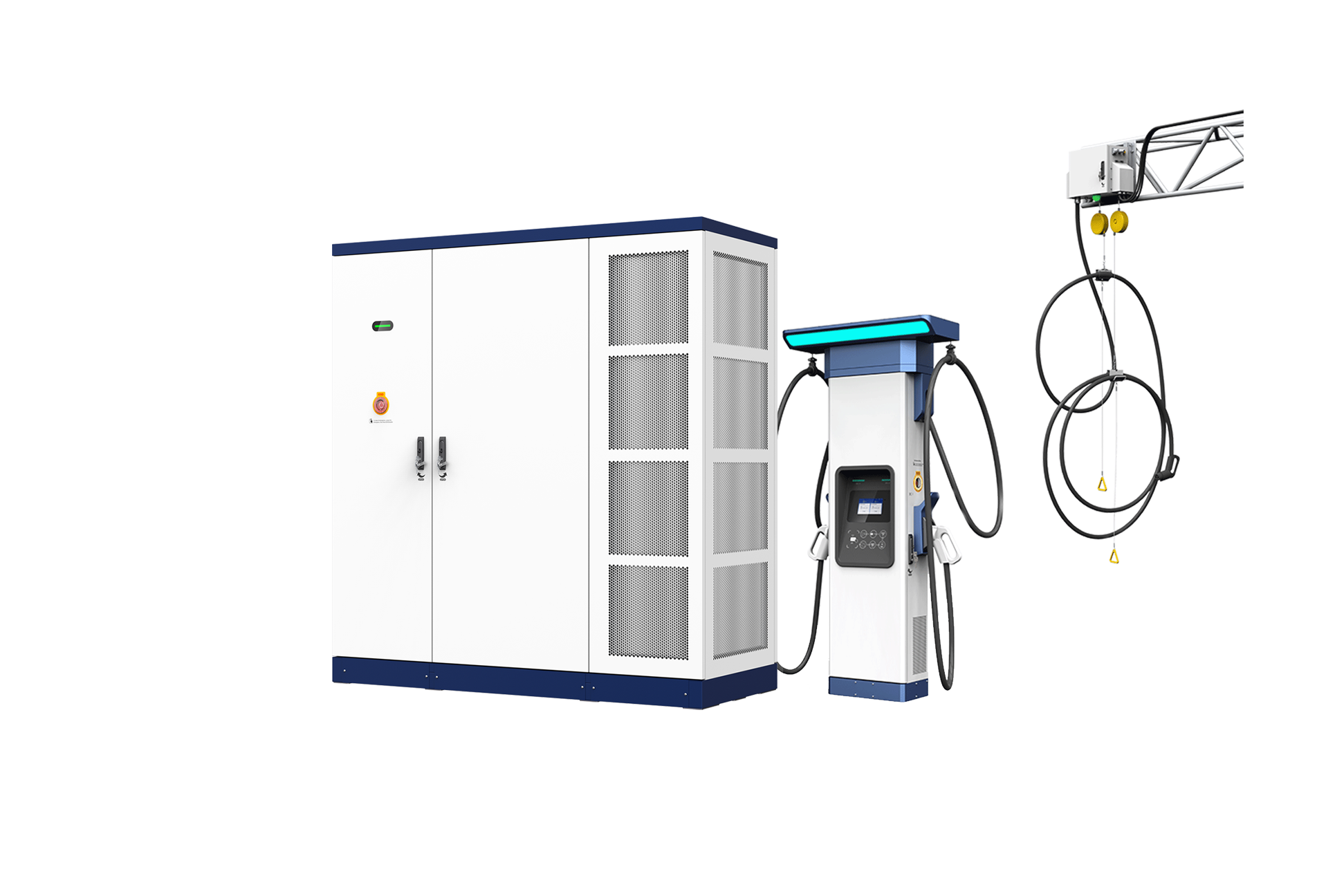
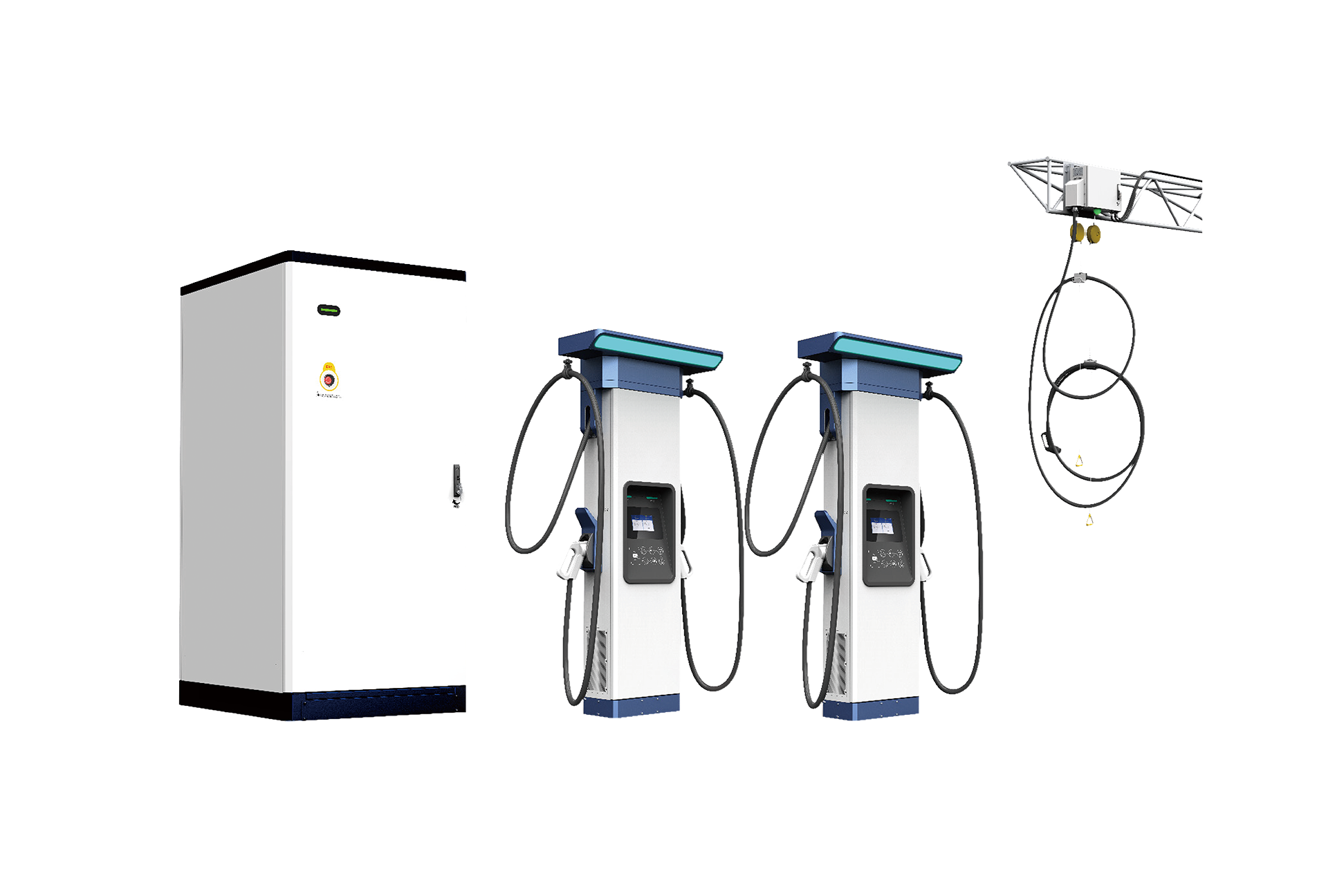
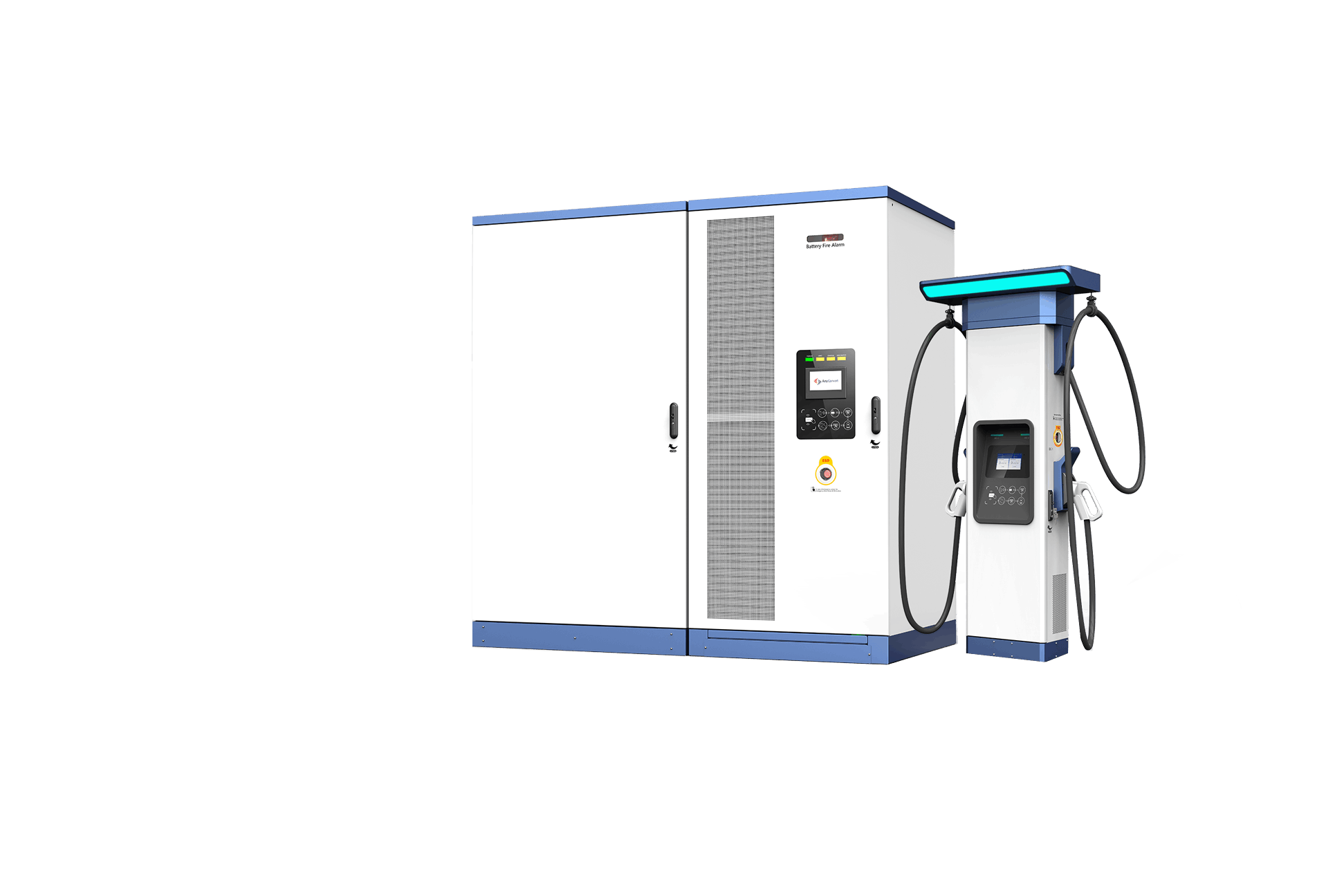
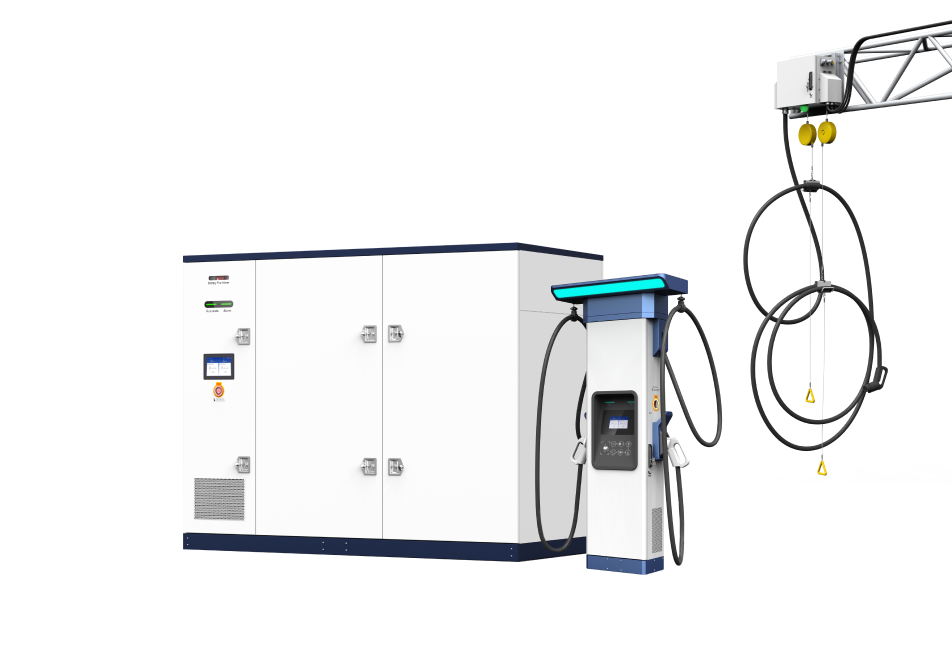
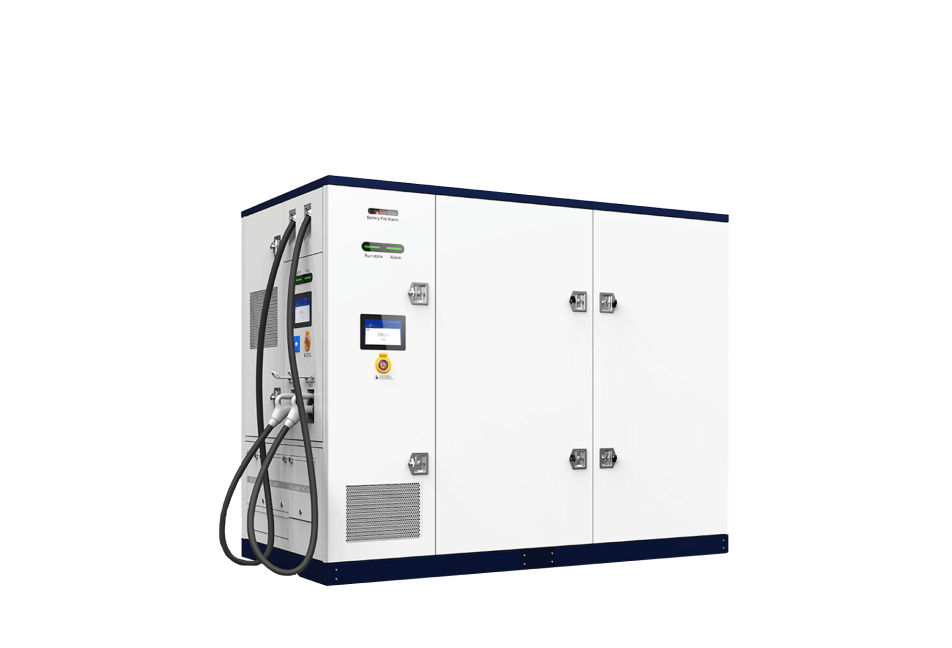
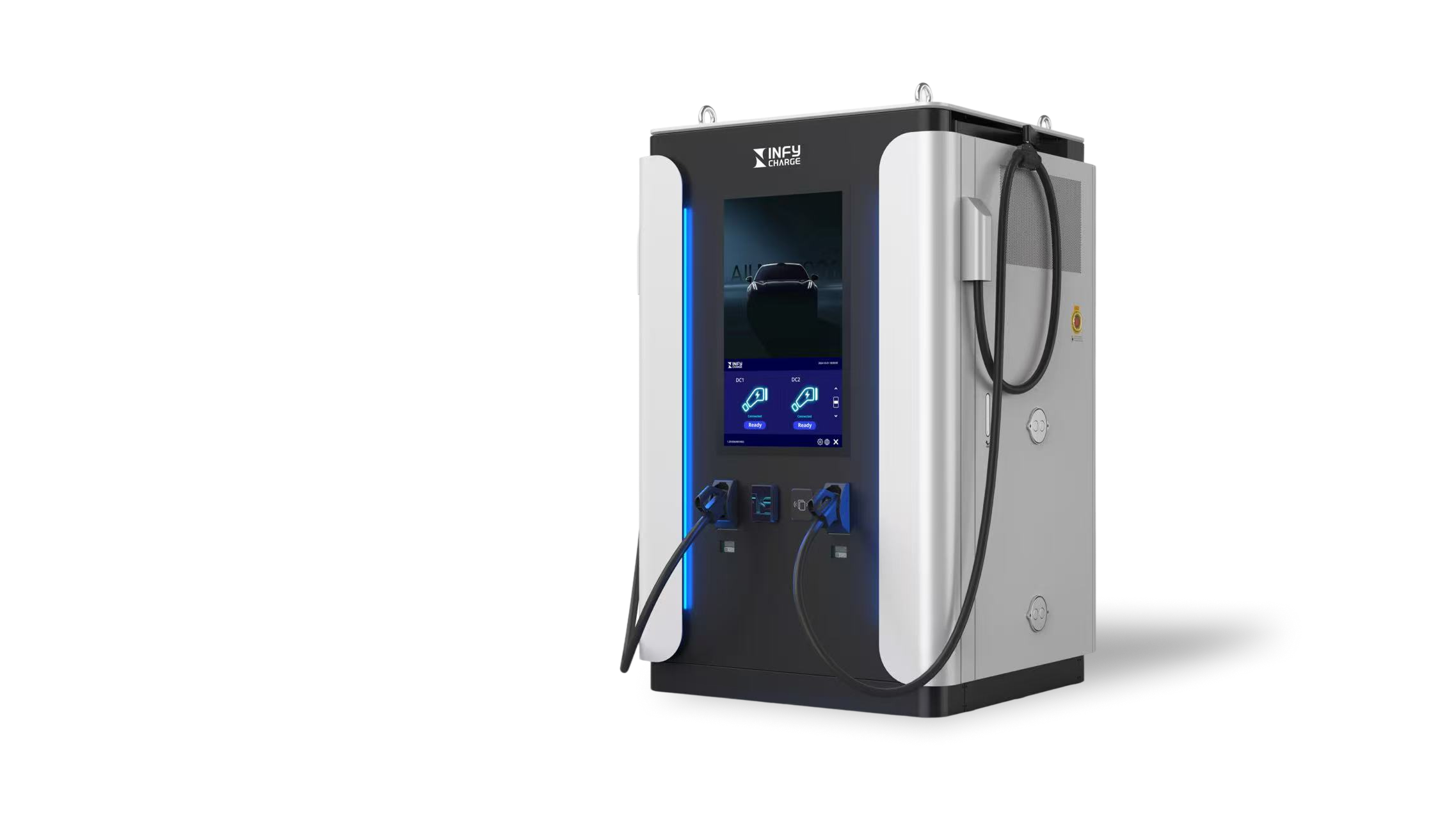
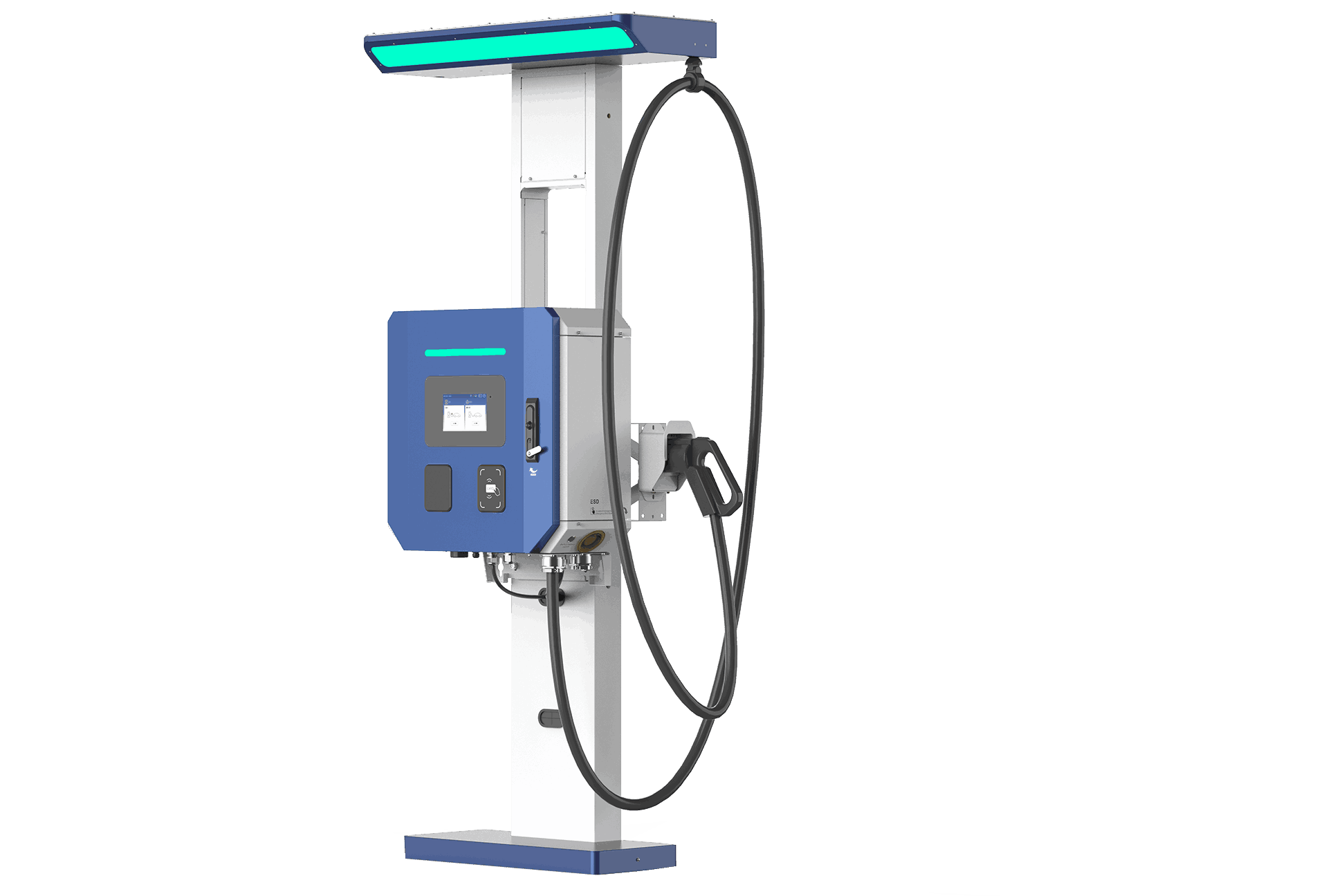
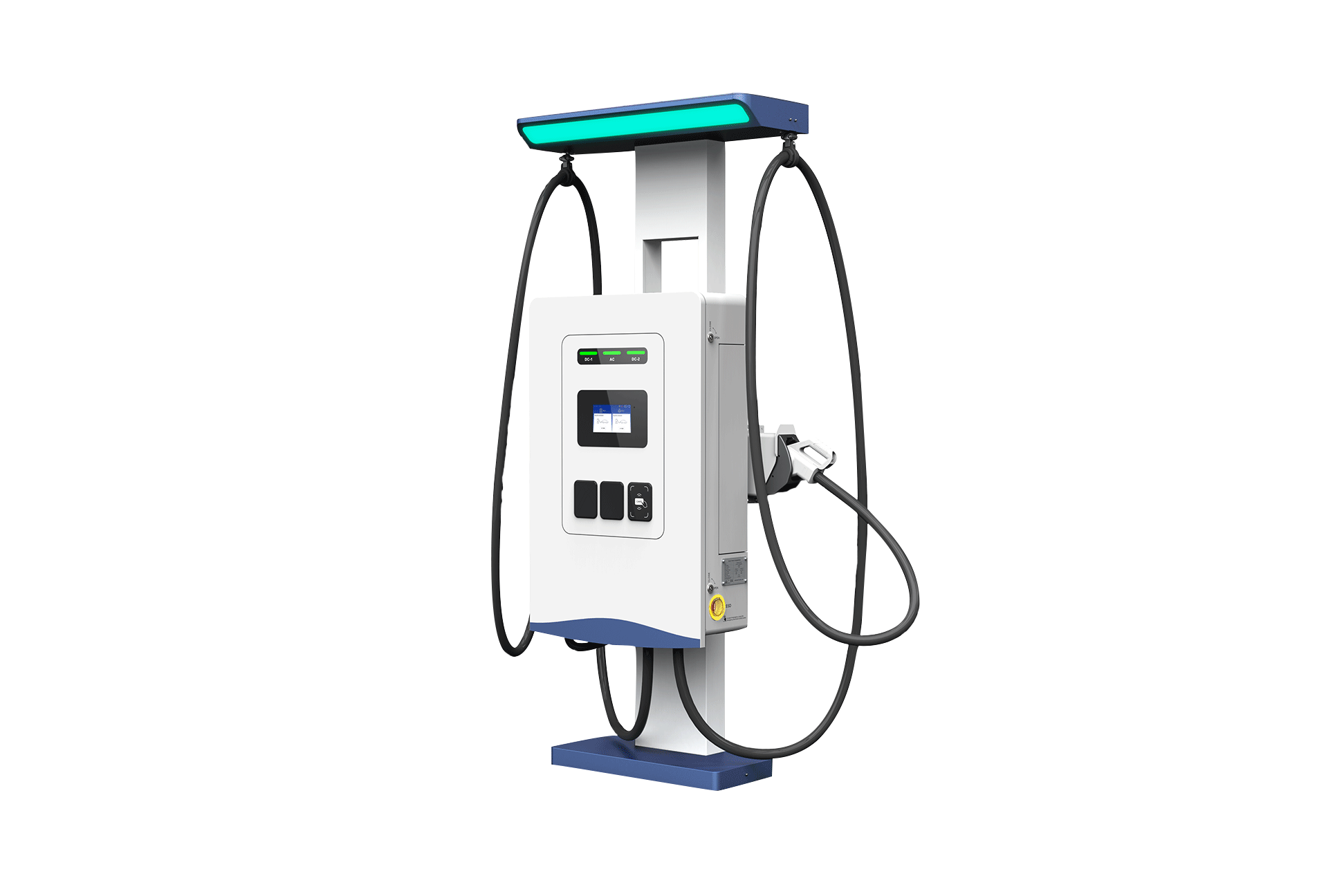
More than just a DC fast charger, it is a grid-decoupled energy hub. The system delivers up to 250kW fast charging through dual outputs, while requiring only 70kW of grid connection. This makes fast and reliable EV charging possible in space-constrained locations where the grid is weak, unstable, or completely absent.
The Infrastructure Dilemma Facing CPOs
Traditional charging deployments are CAPEX-heavy and depend entirely on utility power capacity. CPOs and fleet managers now face a recurring dilemma:
Grid Constraints: Local distribution lines cannot support simultaneous high-power charging for multiple EVs or heavy fleets.
Operational Delay: Extended grid connection timelines slow down fleet electrification and undermine return on investment (ROI).
Grid upgrade is typically capital-intensive and time-consuming.
Energy Costs: High demand charges costs can offset the total cost of ownership (TCO) benefits of switching to electric.
Integrated Efficiency: Decoupling Demand from the Grid
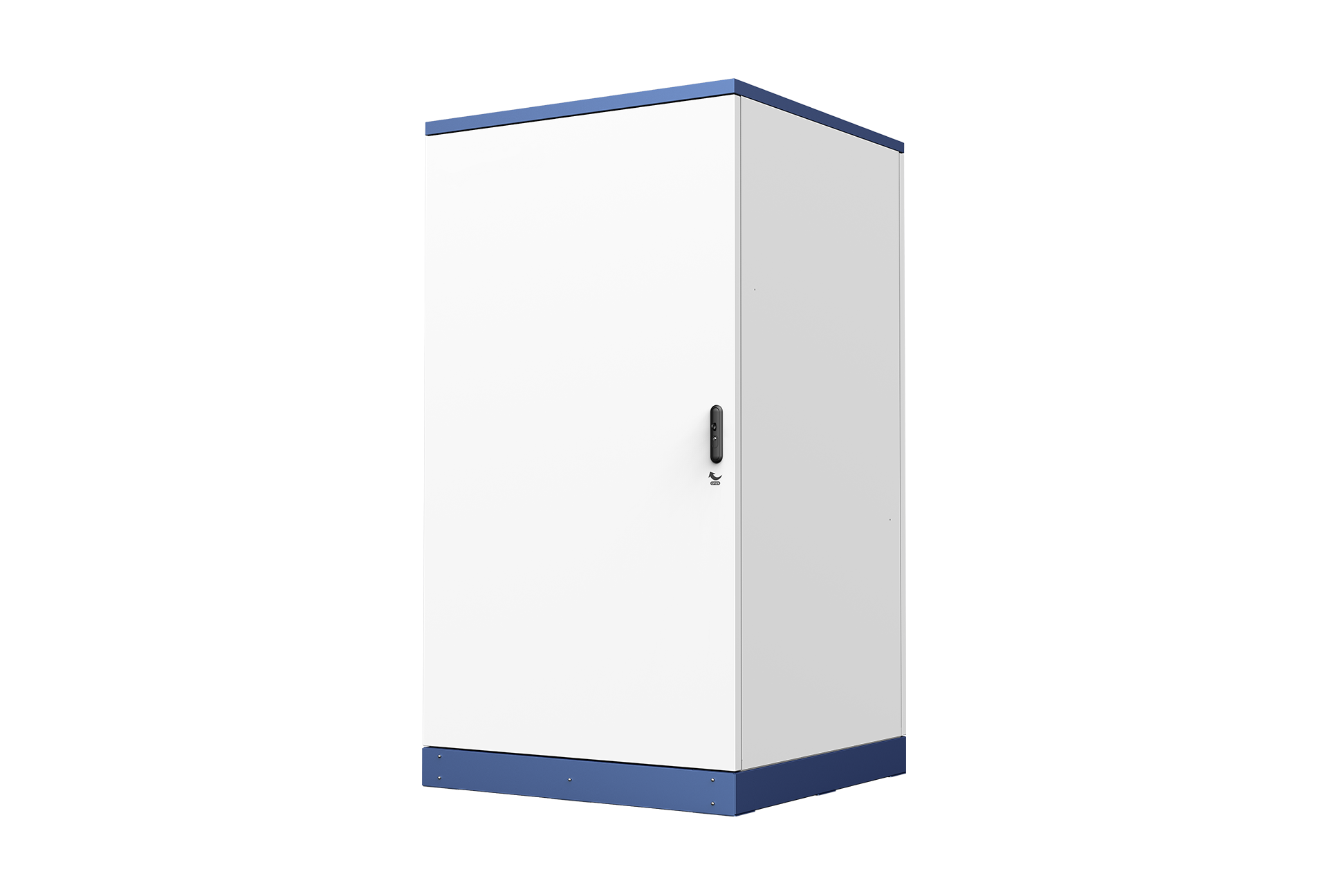
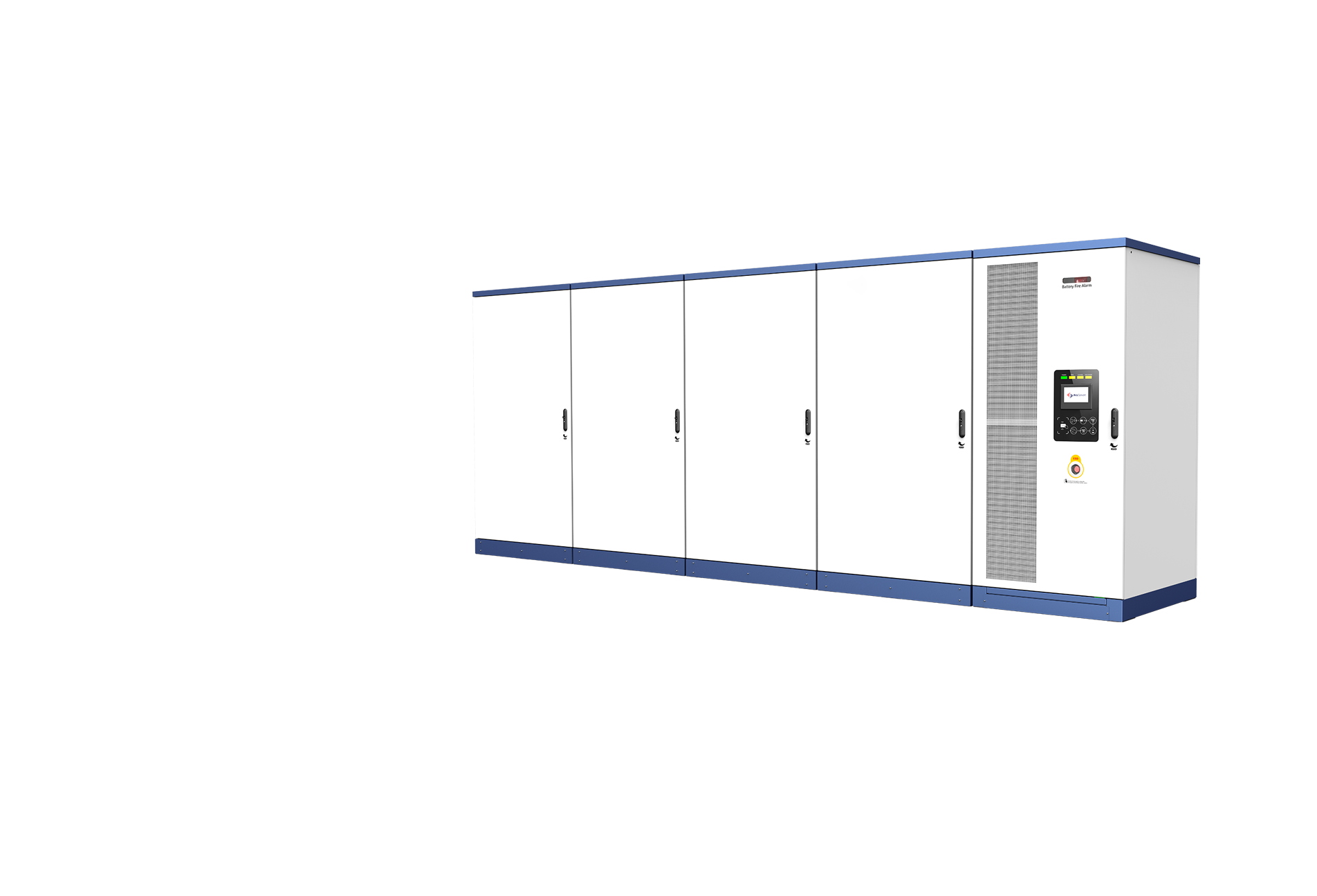
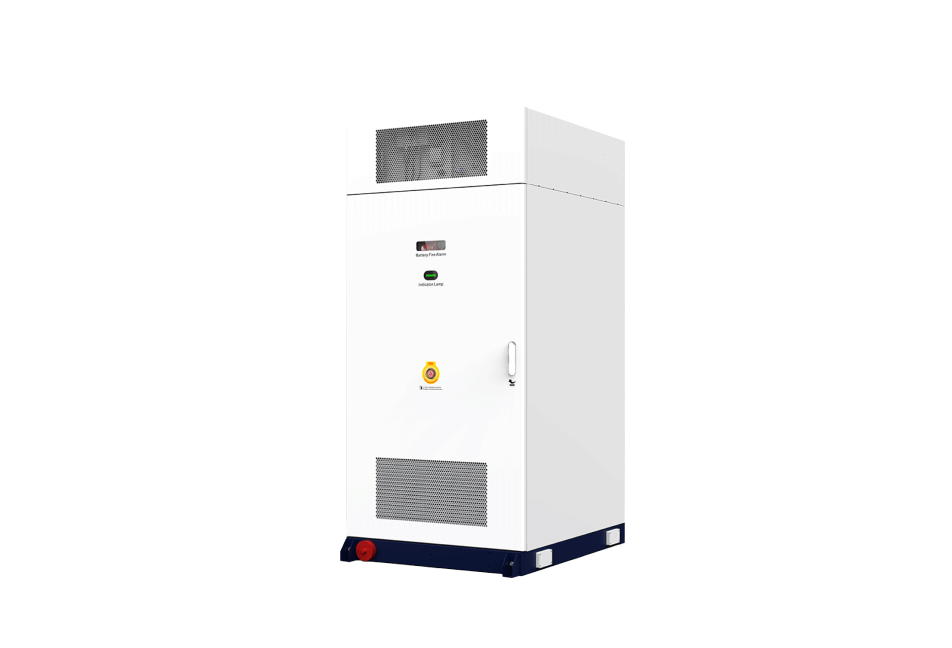
Our 250kW/175kWh All-in-One system redefines high-power charging with robust 1P charge/discharge capability. By pairing LFP storage with liquid-cooled tech, it enables instant HPC deployment anywhere without grid expansion. It allows to store off-peak energy to power peak demand, prioritizing solar and battery when prices are high and switching to the grid when they’re low, seamlessly slashing energy costs without sacrificing charging uptime.
Key Technologies:
1> Modular Building-Block Design
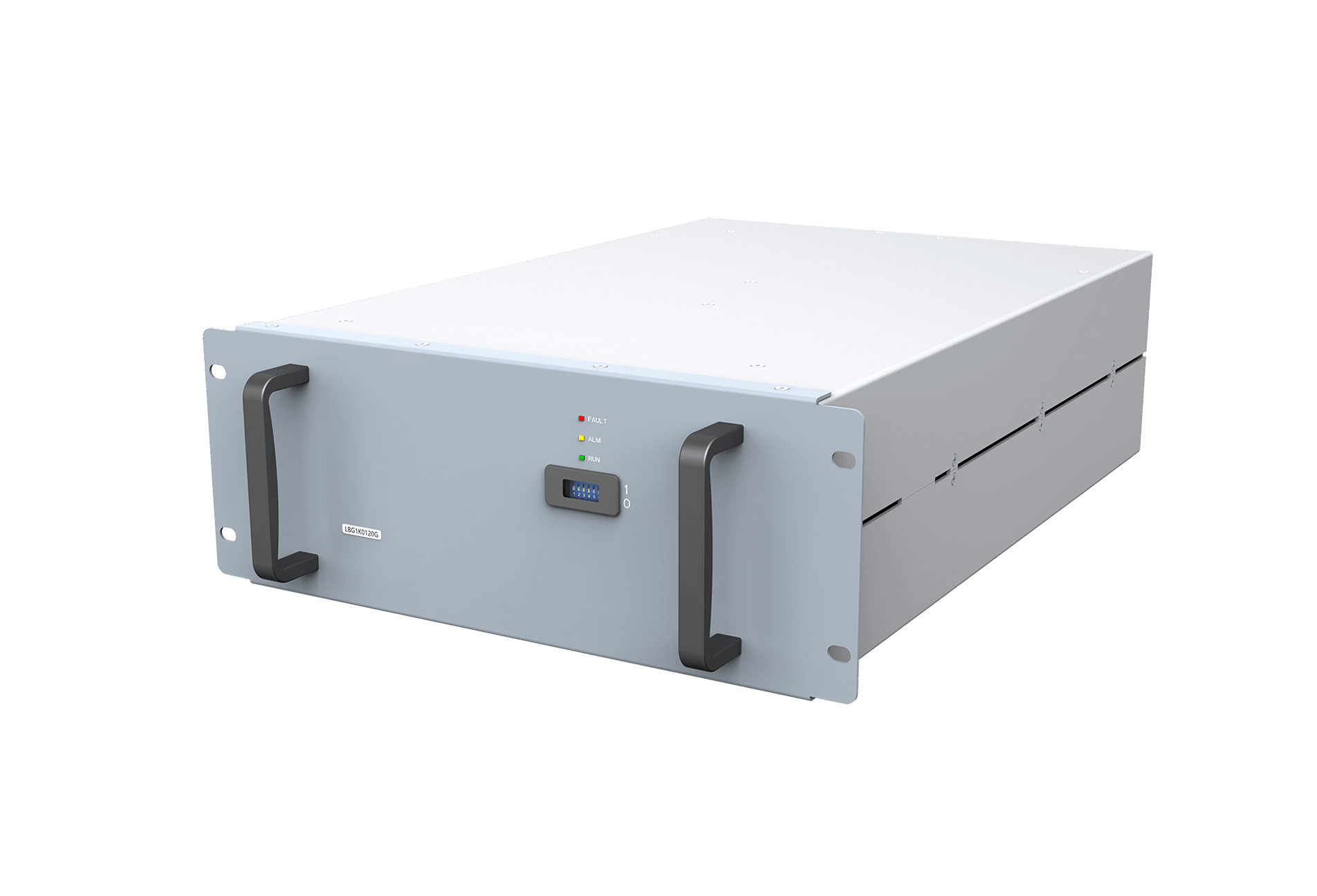
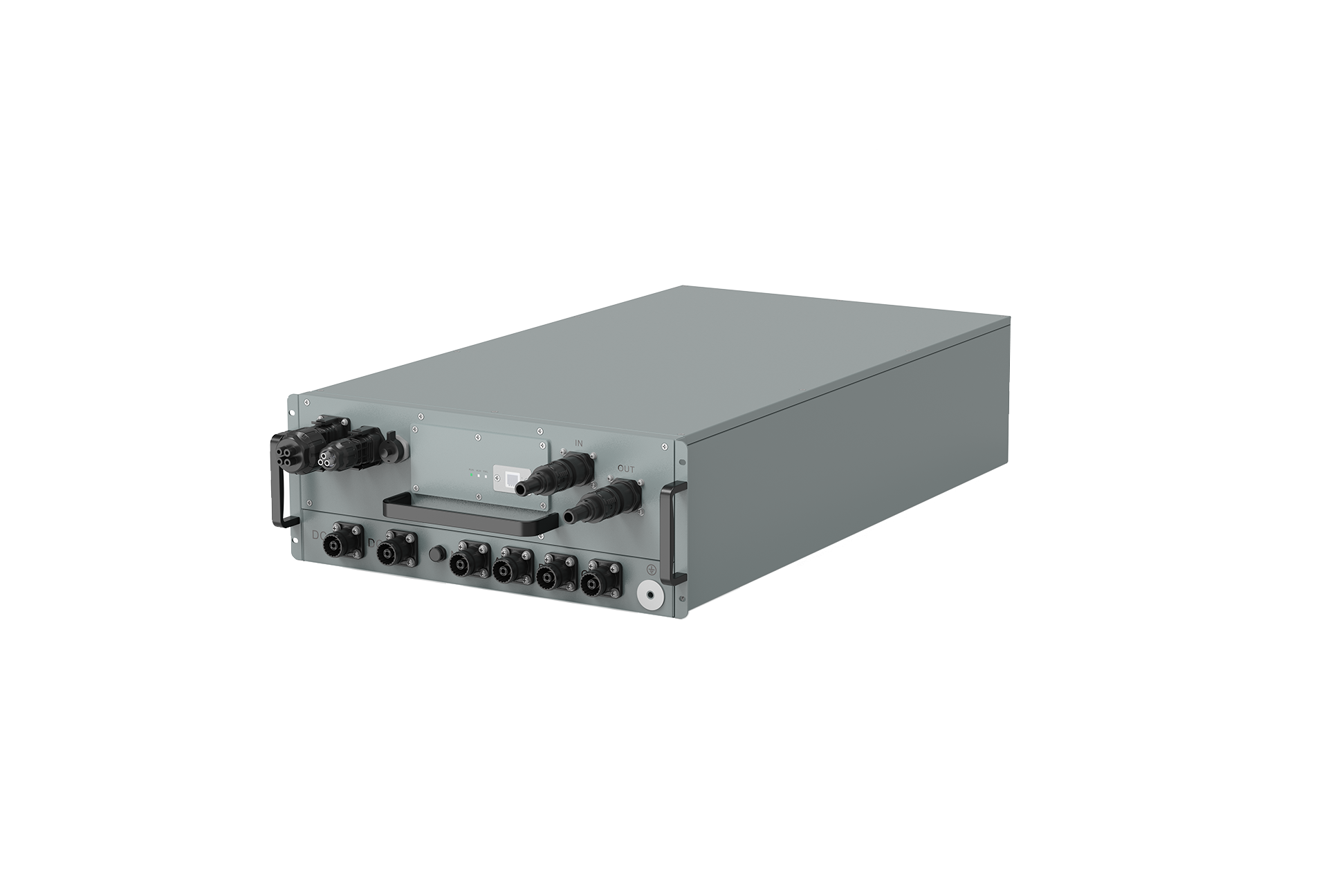
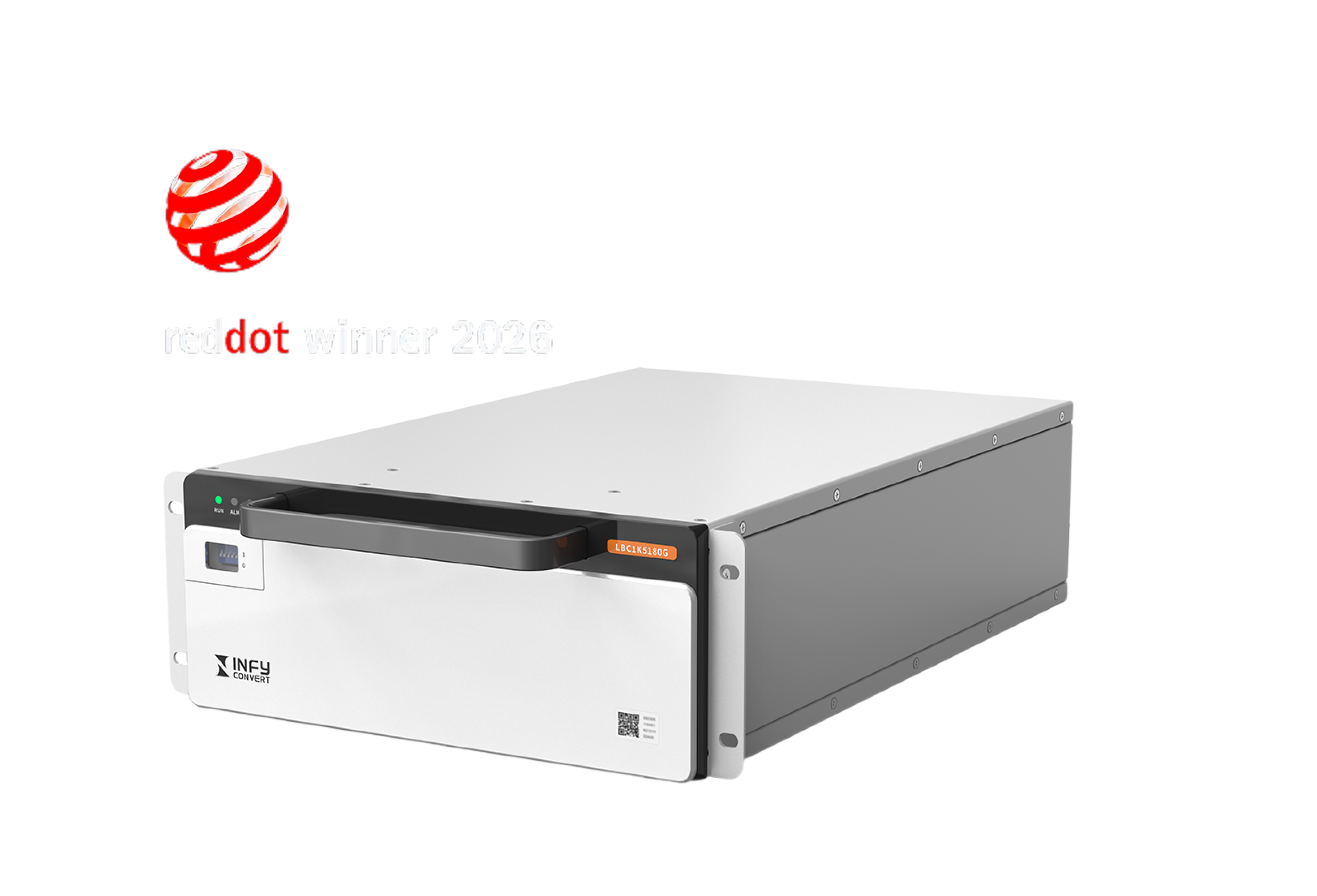
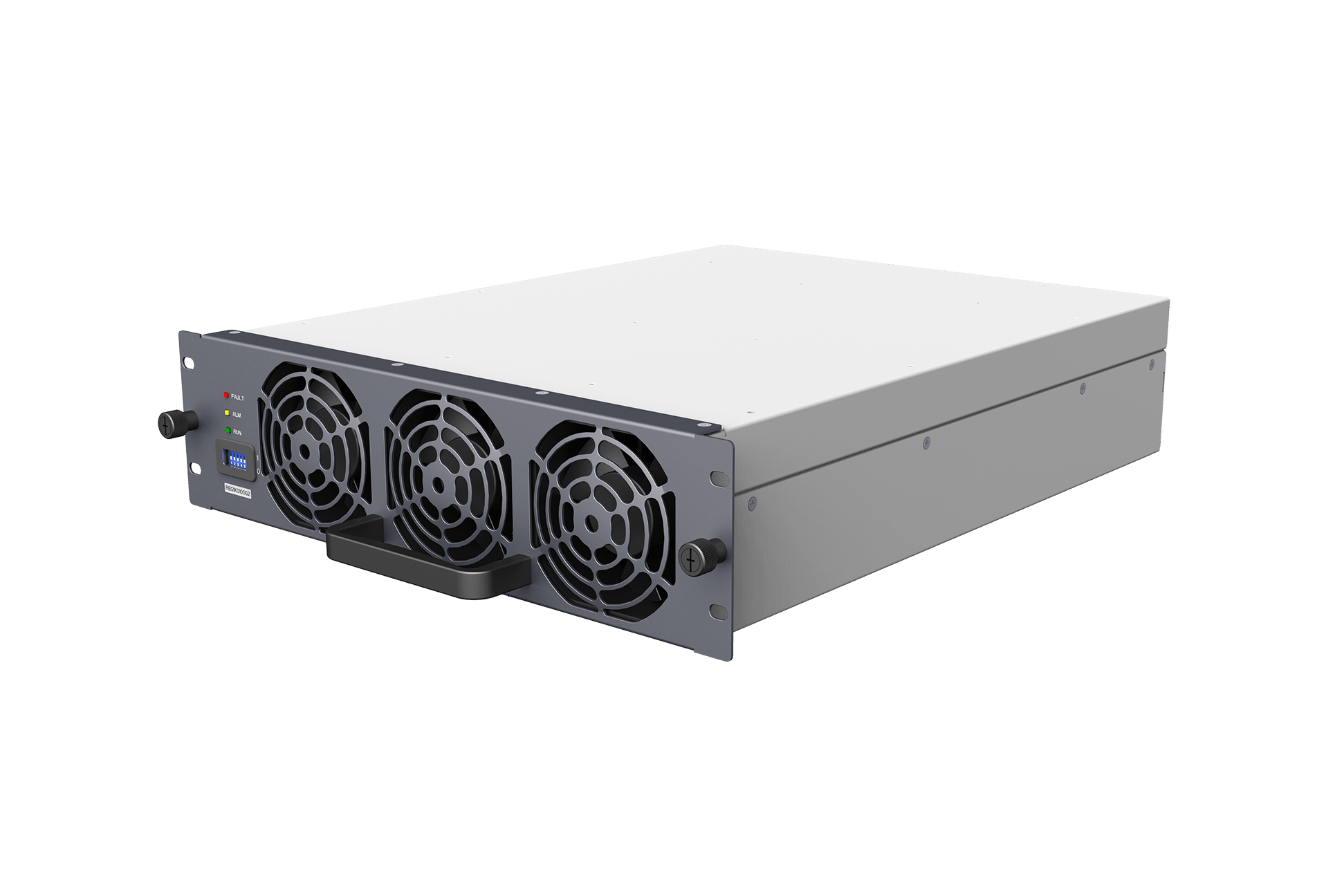
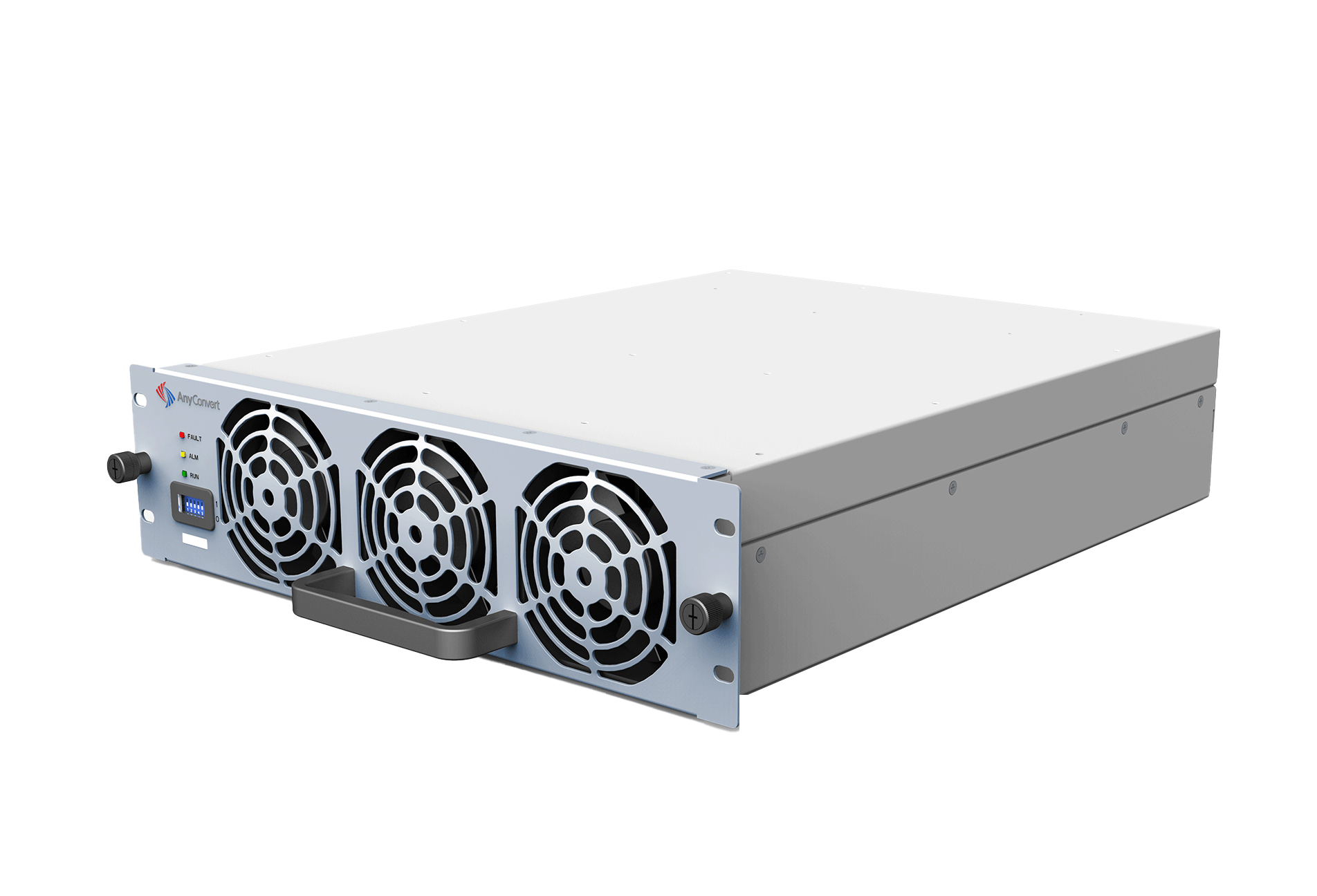
In-house developed battery packs and power modules ensure seamless system integration, delivering superior scalability, reliability and flexibility. It is designed to grow, adapt, and maintain high performance in response to changing demands.
2> Fully liquid cooled design delivers low noise pollution (<55dB) and high reliability under sustained high-power operation, even in harsh environments such as mining, coastal, and construction sites.
3> Cross-module compatibility enables V2G, V2B and G2B functions as well as optional solar access.
4> All-Grid Ready: engineered for strong grid, weak-grid, and completely off-grid scenarios. It requires 70 kW grid-only input, 35 kW grid + 40 kW solar PV hybrid input, or temporary off grid, with the integrated 175 kWh battery serving as a resilient energy buffer to ensure uninterrupted charging with zero downtime.
5> IP65 closure with 40mm physical thermal insulation, ensuring continuous outdoor operation under high temperatures and direct sunlight.
6> 43” ultra-large advertising screen with IK08 and UV protection, supporting Android-based applications for communication and advertising.
Typical Application Scenarios
1. Construction & Mining Sites: Remote industrial sites often combine weak grids with continuous high-power demand from heavy vehicles and equipment.
The system enables:
· Reliable fast charging with limited grid connection
· Mobile deployment for dynamic site operations
· Reduced reliance on diesel generators
· Stable performance in extreme climates
2. Events & Temporary Installations: Temporary venues increasingly require EV charging without permanent infrastructure investment.
The integrated system provides:
· Rapidly deployable high-power charging hubs
· Minimal dependence on local grid capacity
· Premium charging experiences for event visitors and organizers
3. Off-Grid Destinations: Remote highways, tourism routes, and rural destinations remain major gaps in charging networks.
By combining energy storage with fast charging, the system:
· Extends charging beyond commercial grids
· Supports off-grid and hybrid energy operation
· Enables long-distance EV travel with confidence
This unlocks new charging corridors where grid access is impractical.
4. Remote Fleet Operations: Fleet electrification depends on charging uptime, predictability, and scalability—especially for logistics and service fleets operating outside urban centers.
The solution supports:
· Fast charging for electric trucks and heavy vehicles
· Reduced downtime to maximize fleet utilization
· Scalable deployment aligned with fleet growth
· Lower fuel and maintenance costs by switching to electrification
5. Ports, Airfields & Utility Support: Heavy transport requires extremely high-power charging capable of sustaining continuous loads despite existing grid constraints.
The system delivers:
· Stable high-power charging for industrial vehicles
· Reduced peak impact on local grids
· Compact, low-noise and dynamic deployment
· Backup power and peak-shaving support for utility operations
Moving Forward
Whether you’re operating in remote areas, at temporary sites, or in regions with limited grid or transformer capacity, this 250kW/175kWh delivers fast and reliable charging to keep your fleet powered at all times. No delays, no downtime, and no infrastructure upgrades required.
By unifying energy storage and fast charging in a fast deployable platform, this solution enables scalable, high-power charging (HPC) with enhanced reliability wherever e-mobility is needed.


