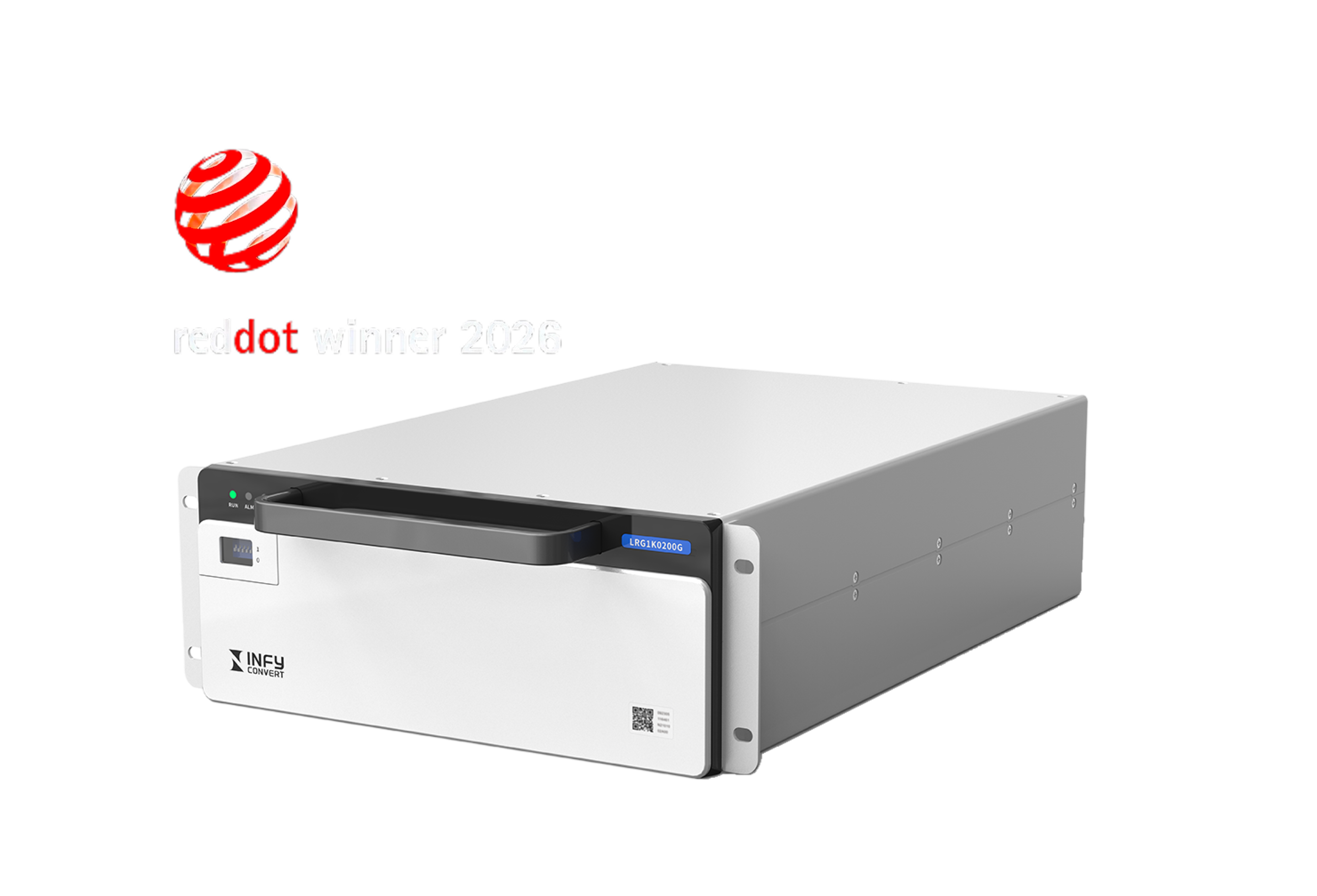


The Missing Piece for e-Mobility Grid Challenges: Charging + Energy Storage
January 23, 2026
The Impending Dilemma: A Grid Under Pressure
As the global transition to low-carbon transportation accelerates, we are witnessing a paradigm shift in energy demand. Electrification is no longer limited to passenger vehicles; it has scaled to heavy-duty assets—trucks, ships, construction and mining machinery.
However, this transition faces a critical bottleneck: The Grid Gap. Charging demand is scaling exponentially faster than grid capacity expansion. This misalignment creates four primary industry dilemmas:
Infrastructure Strain: Uncoordinated high-power charging (HPC) exacerbates peak loads, risking local transformer failure and necessitating prohibitive capital expenditure (CAPEX) for grid upgrades.
Operational Economics: Surge pricing during peak hours erodes the Total Cost of Ownership (TCO) advantages of electric fleets.
Grid Instability: In emerging markets or fragile grid environments, power unreliablity threatens the uptime essential for commercial operations.
The Off-Grid Frontier: Remote mining, construction, and disaster zones remain dark to electrification due to a total lack of utility access.
The Integrated Answer: Charging + Energy Storage
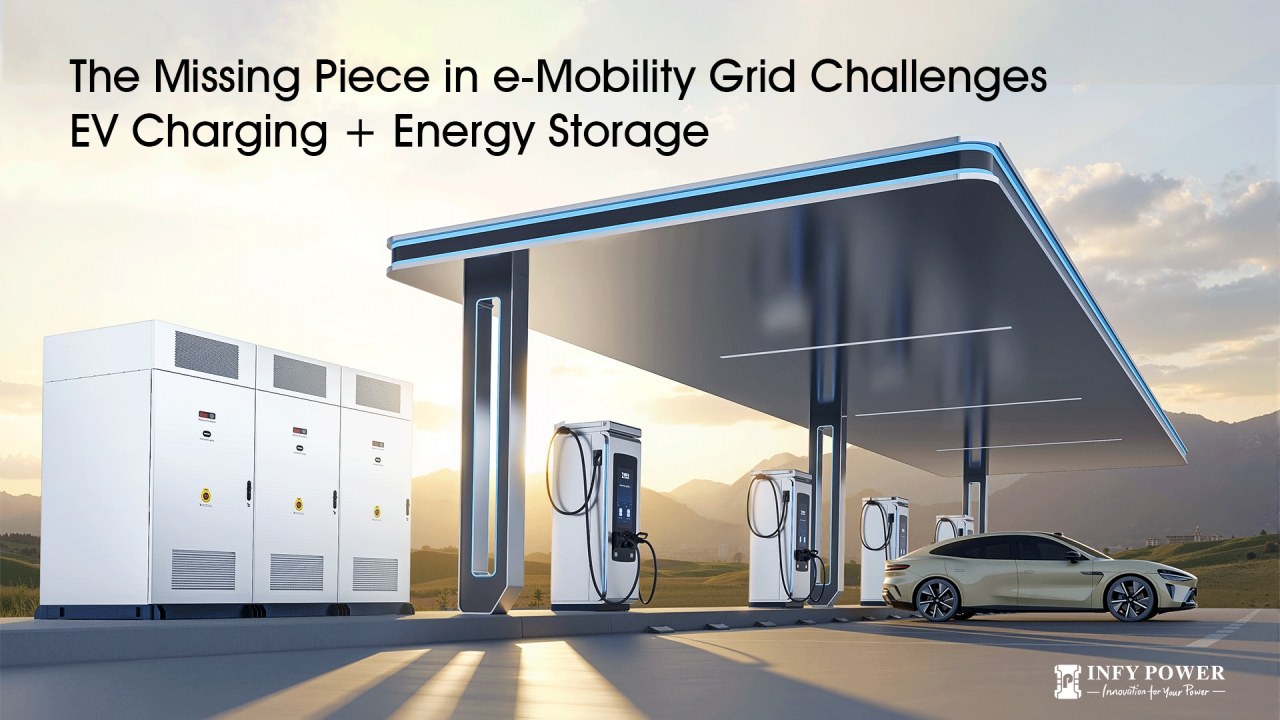
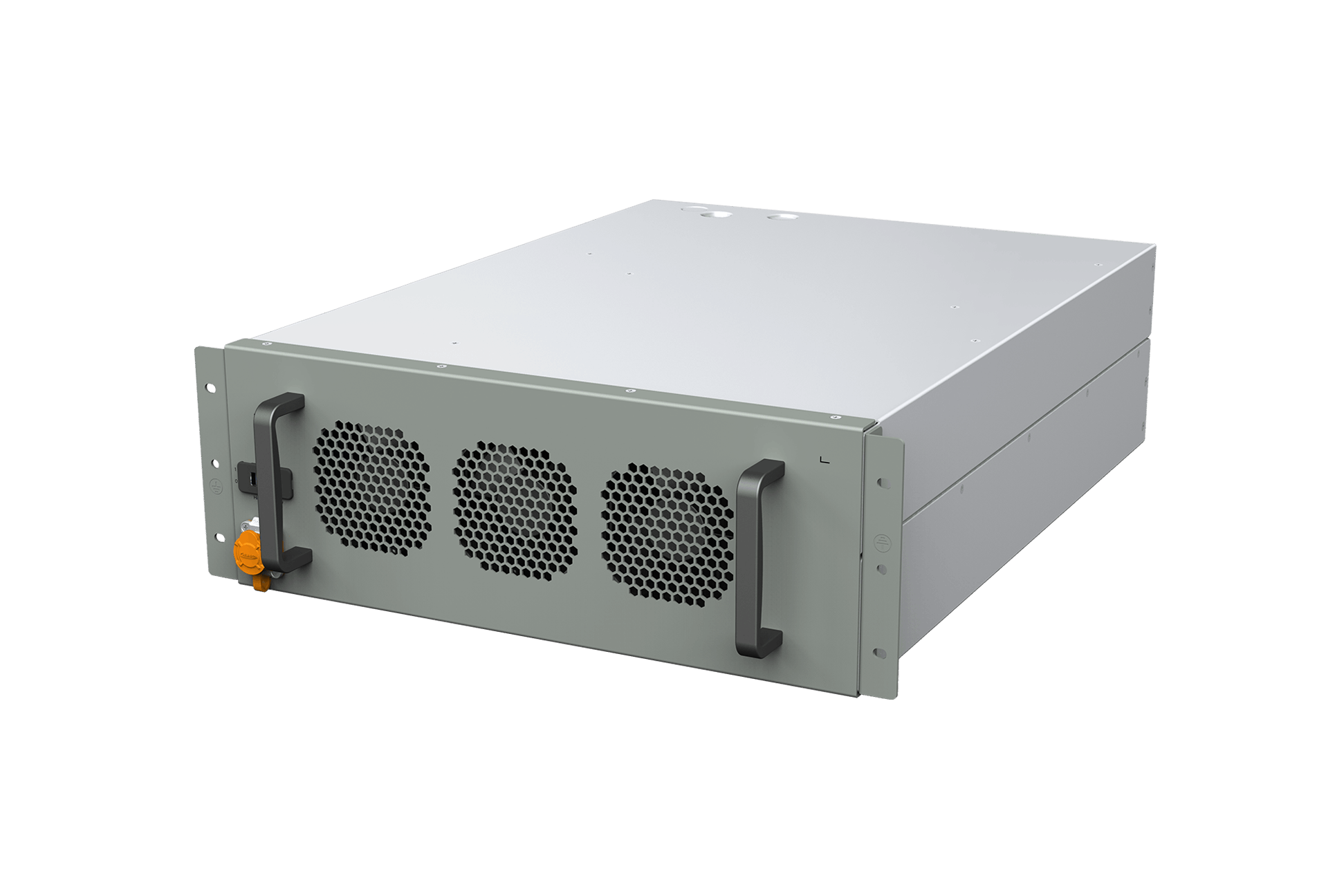
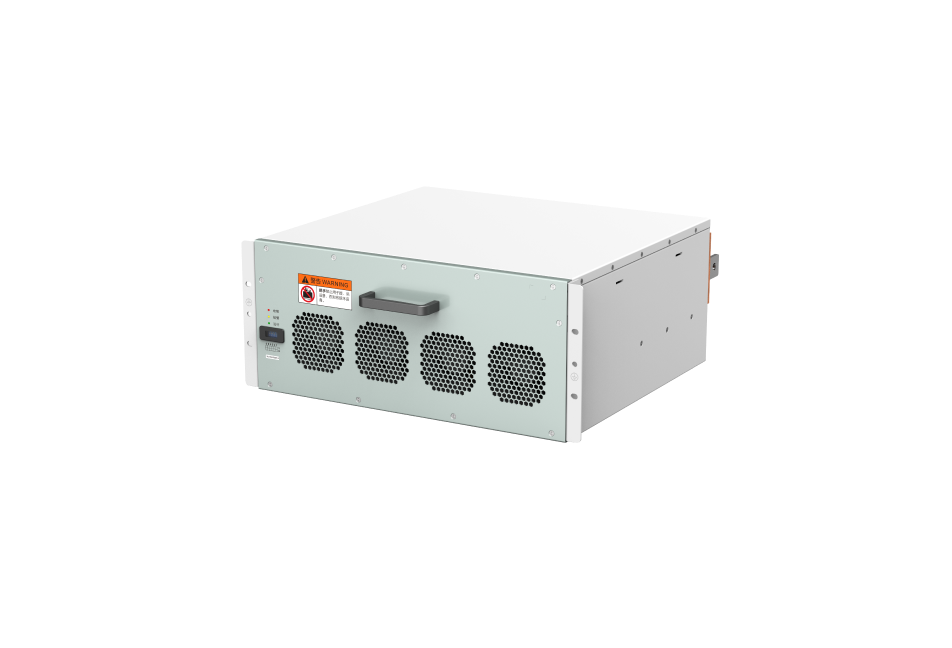
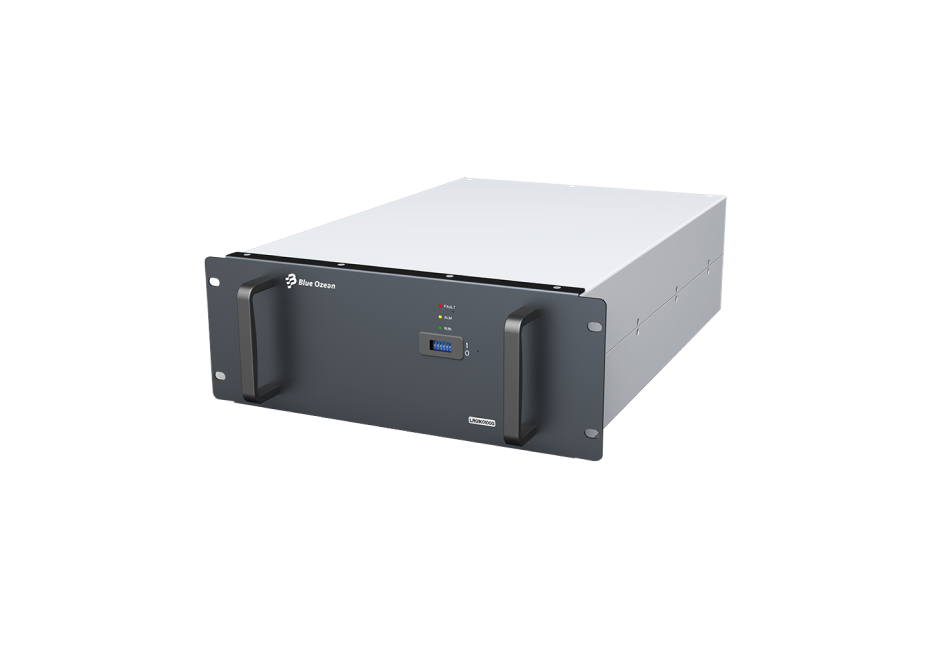
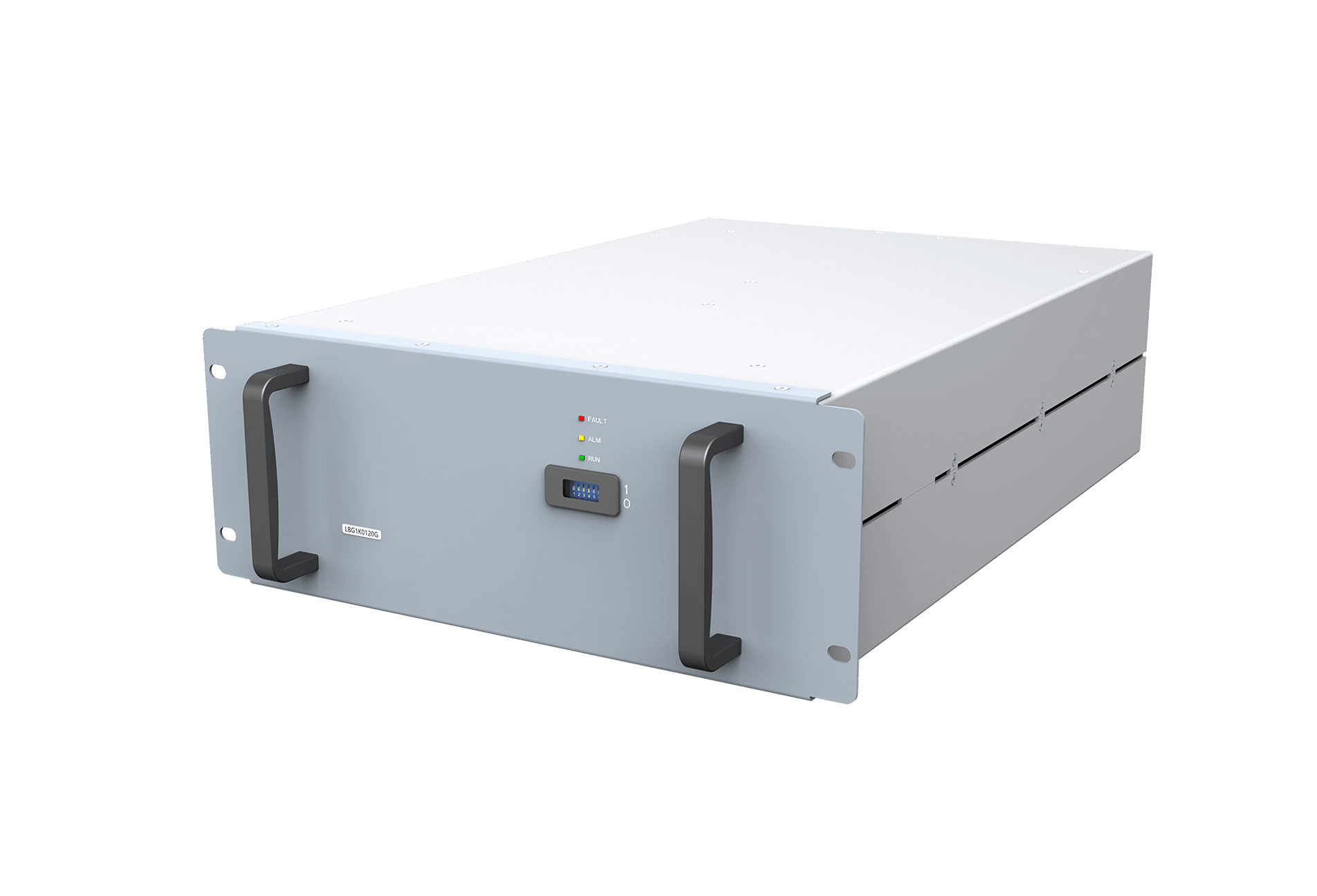
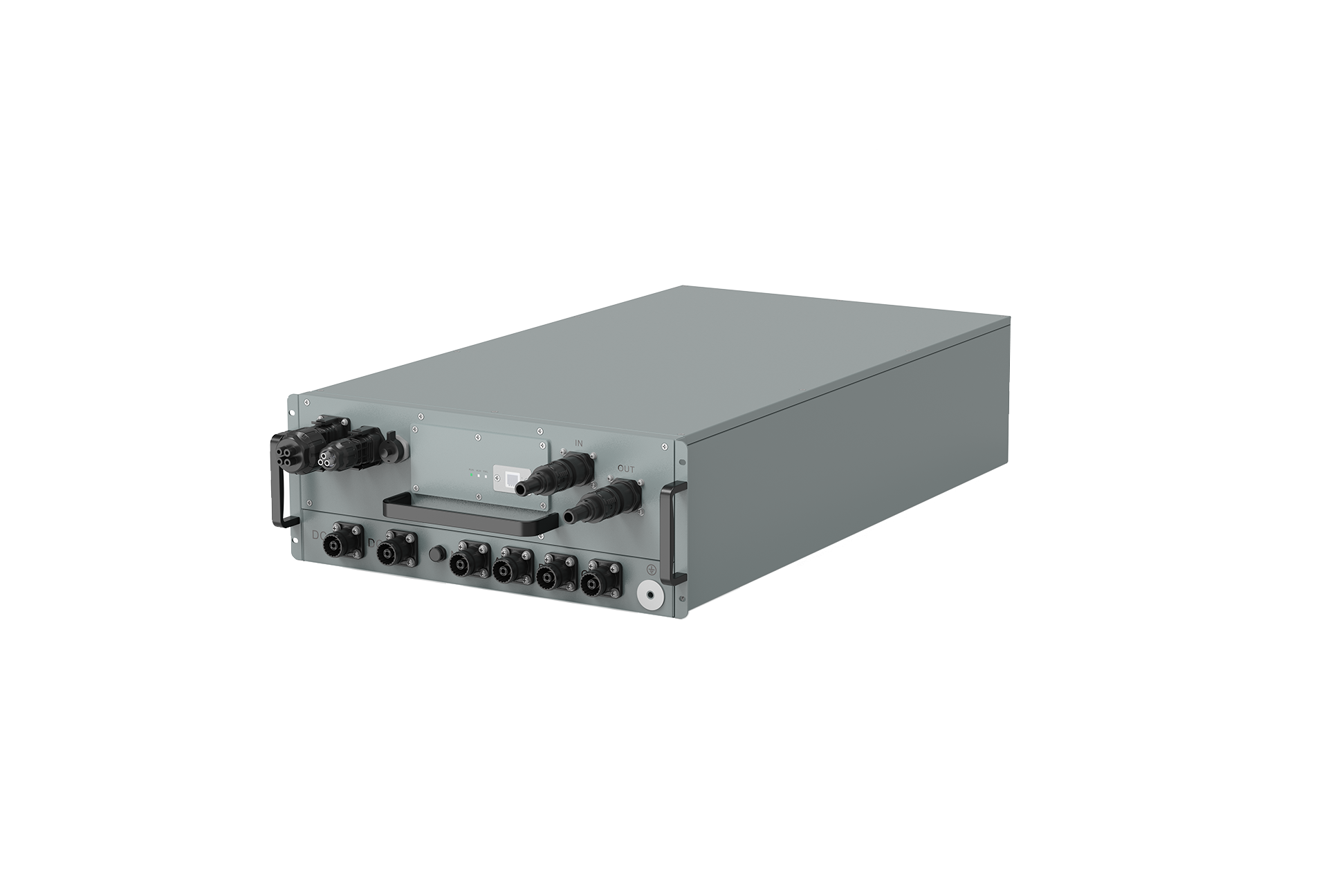
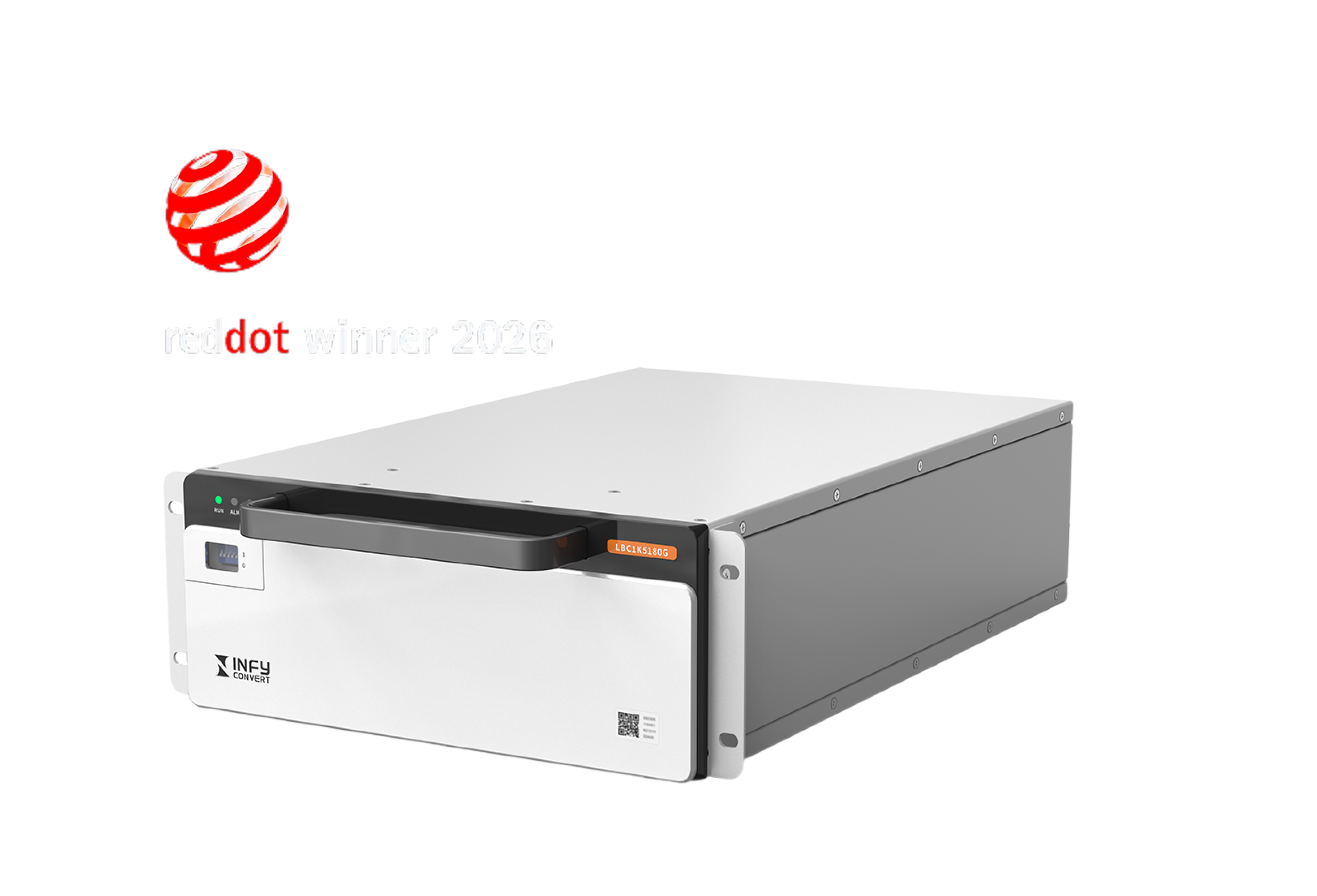
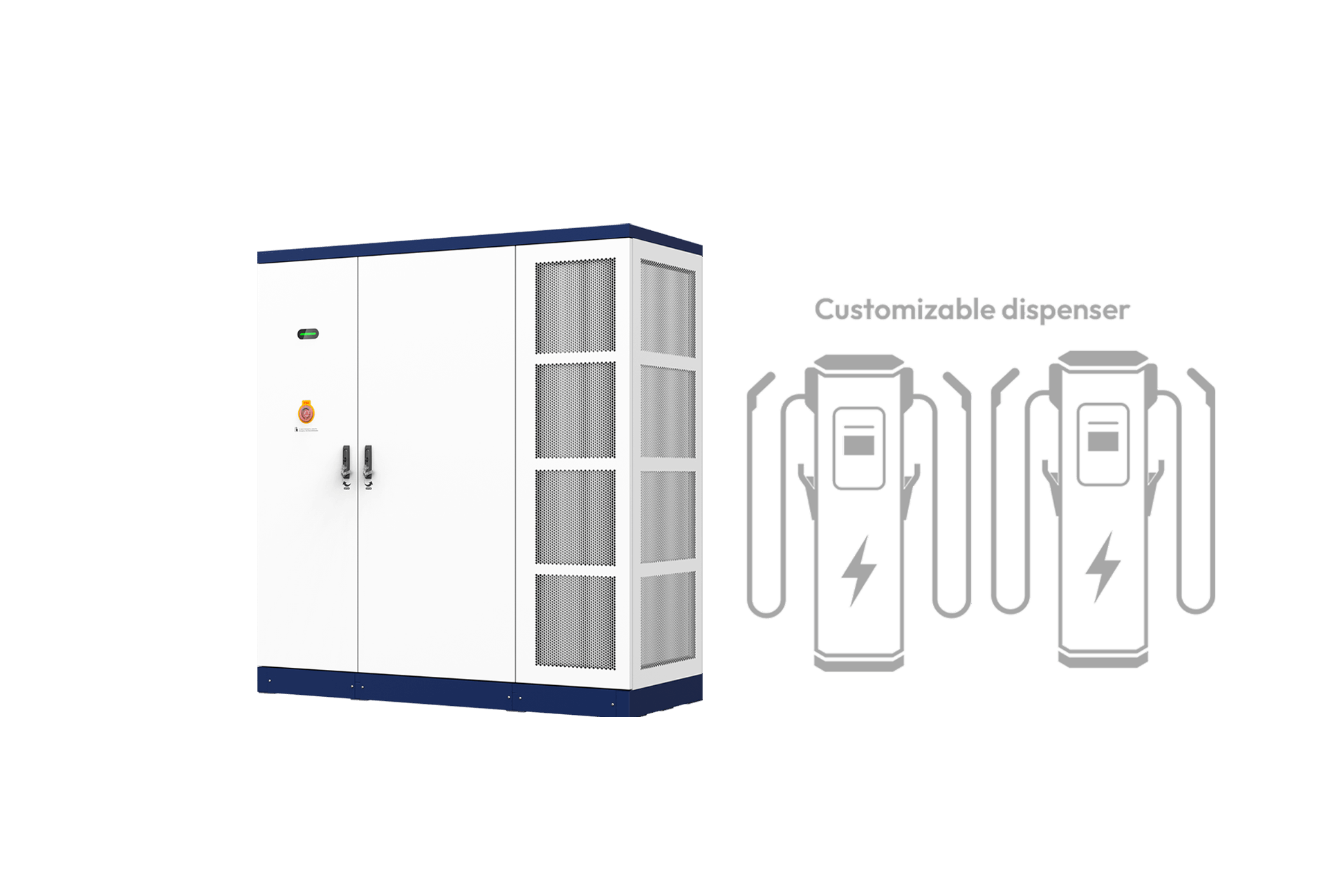
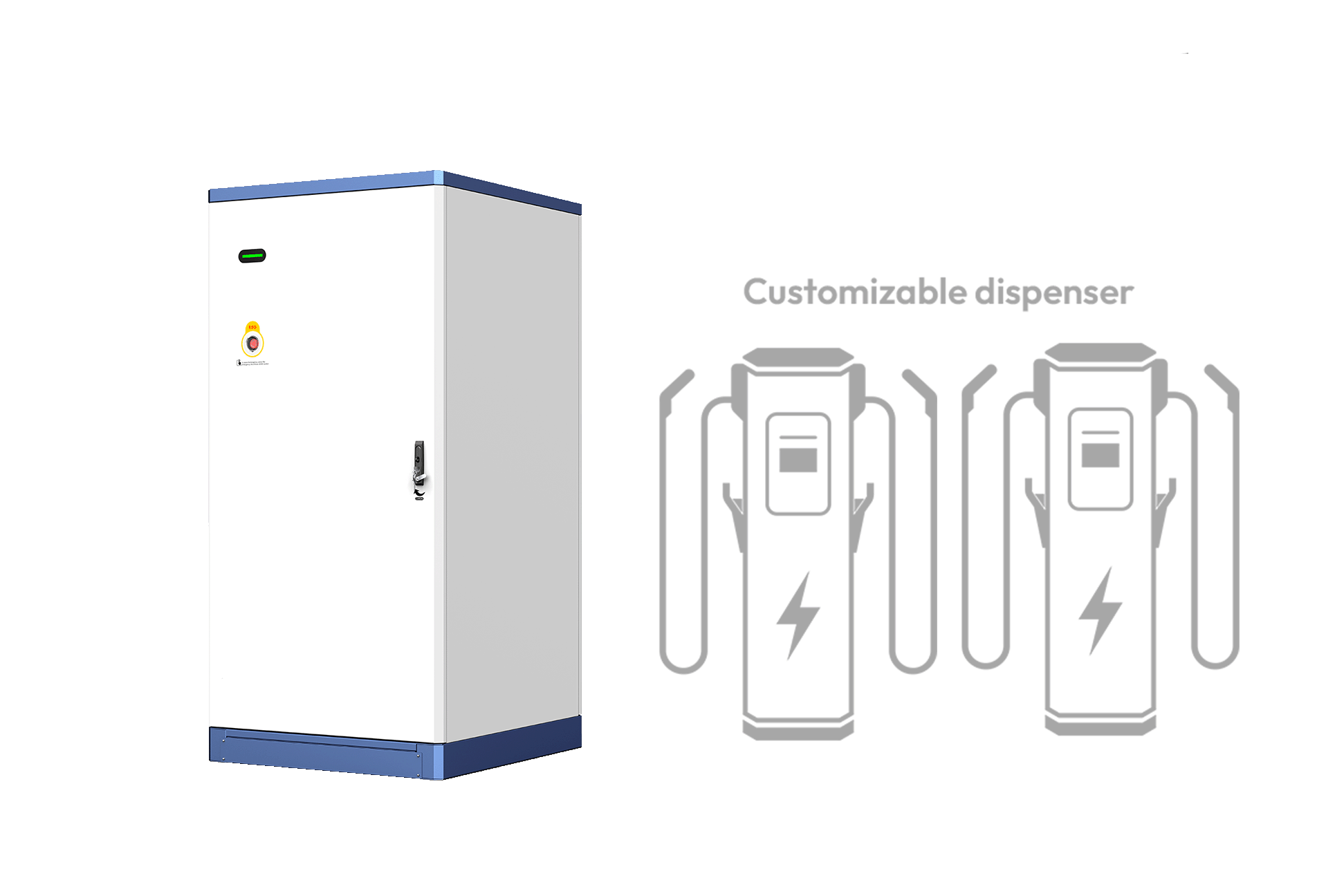
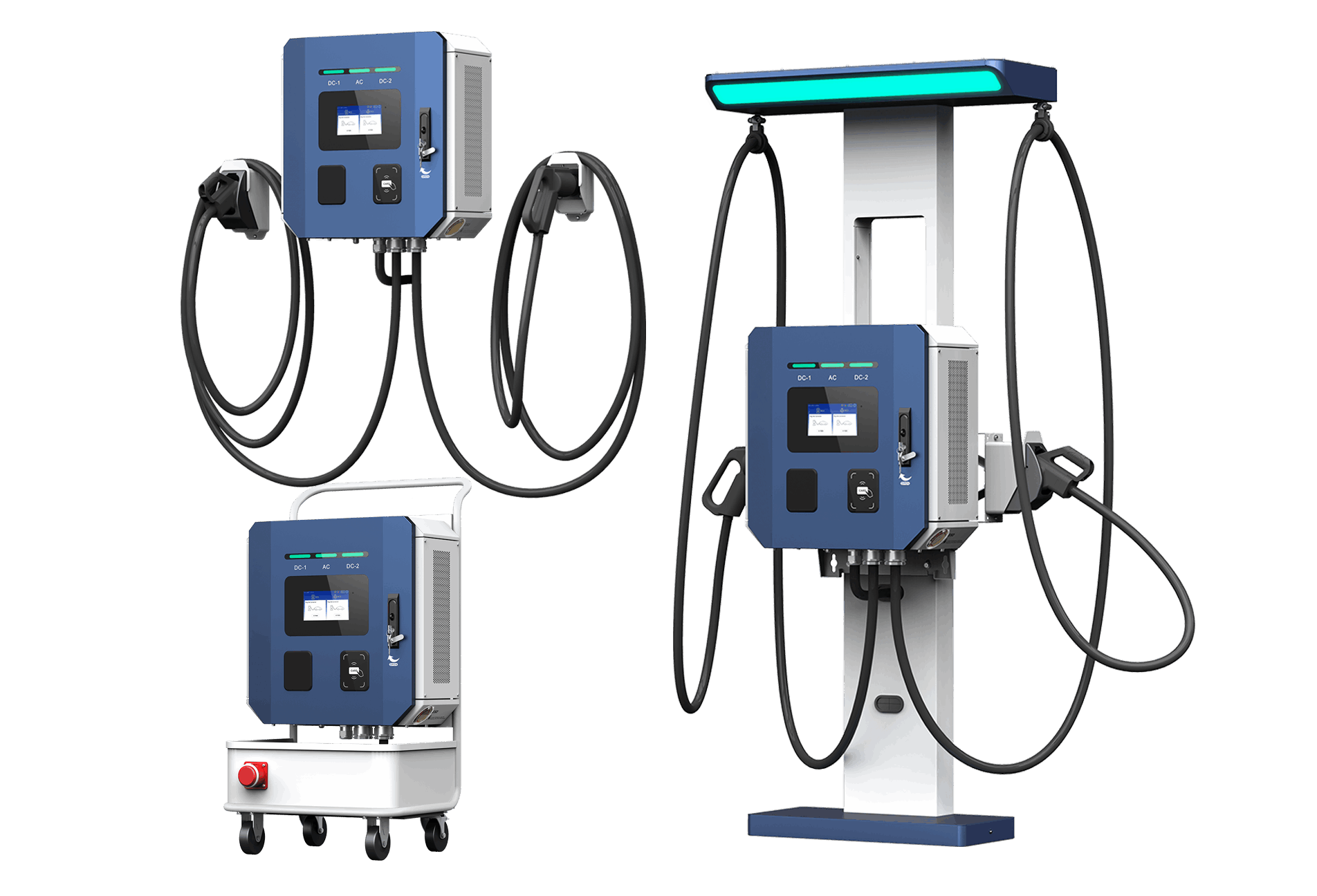
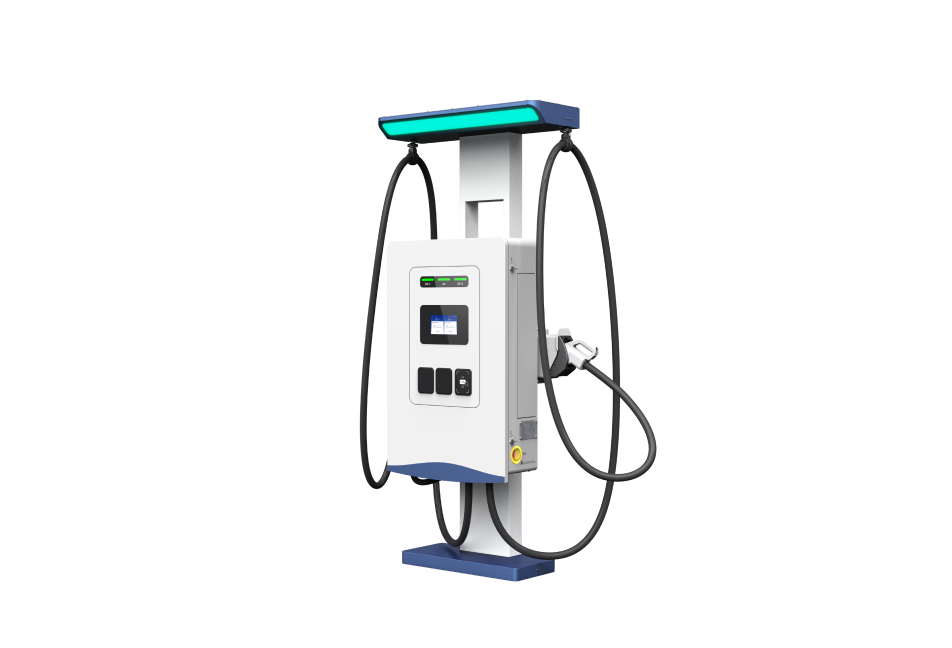
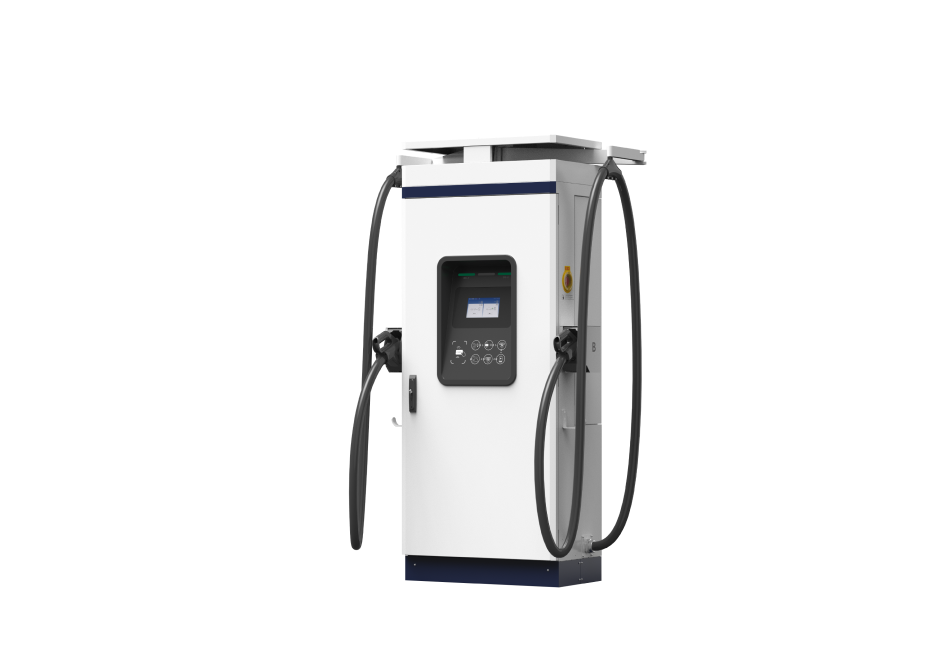
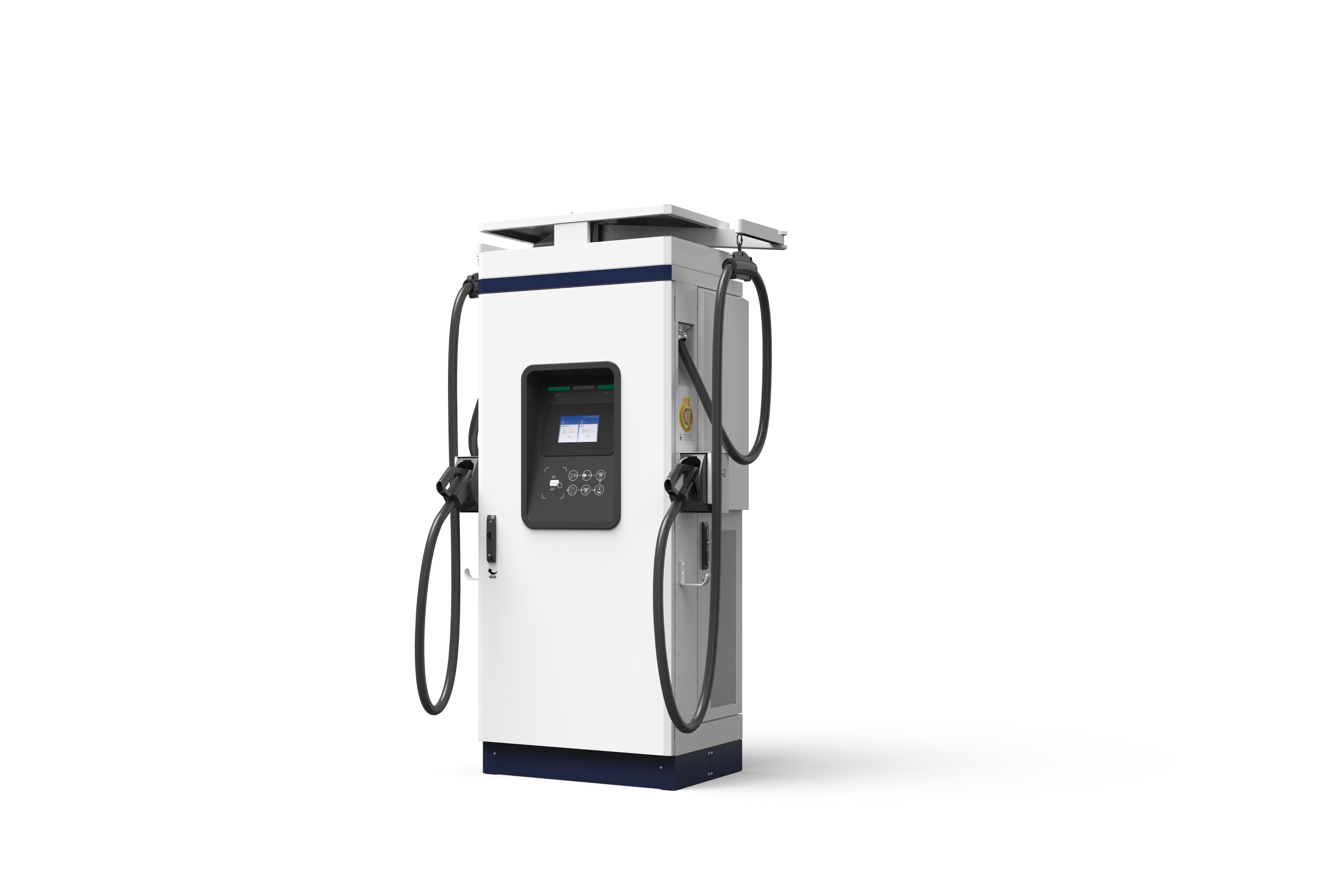
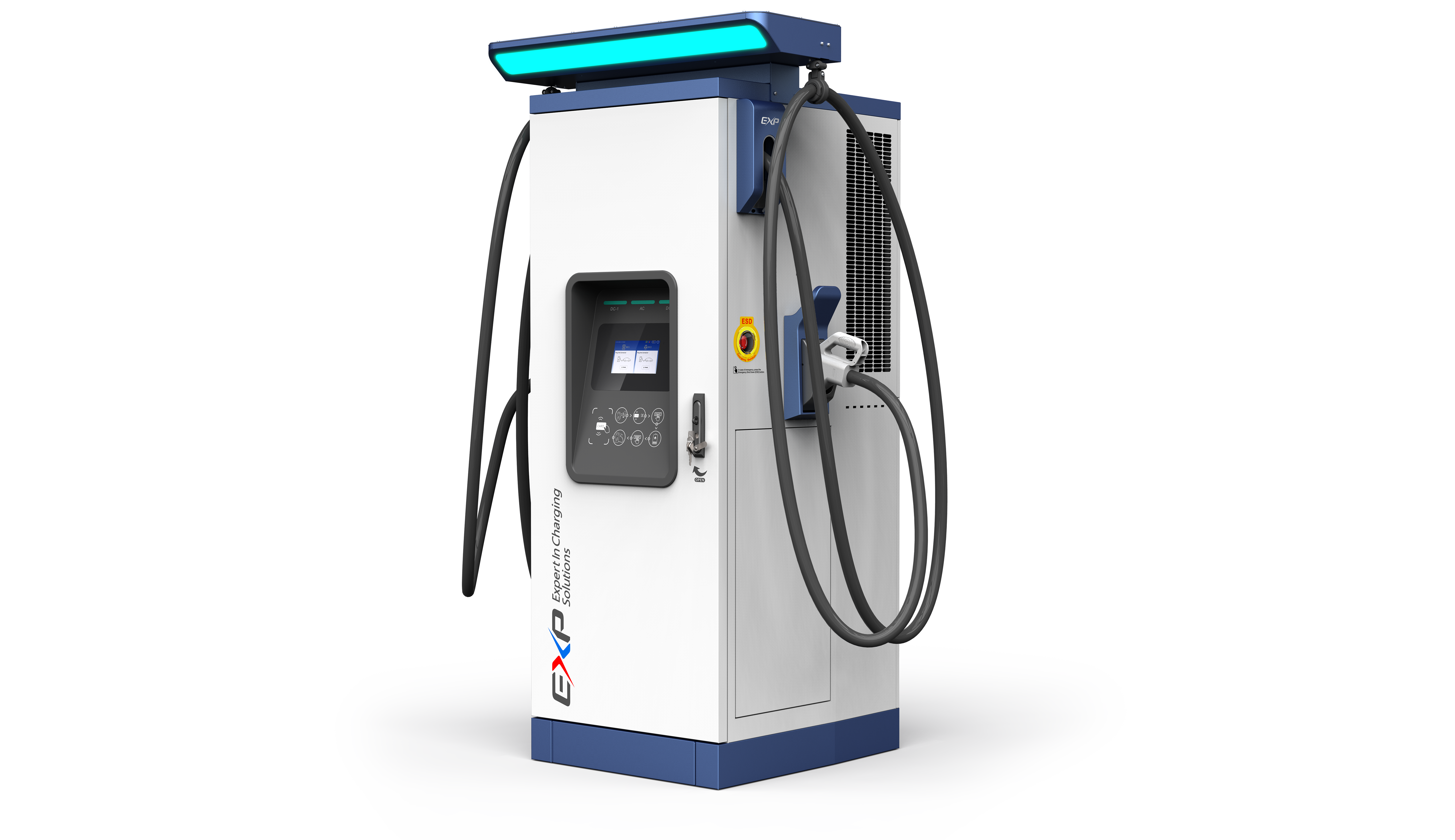
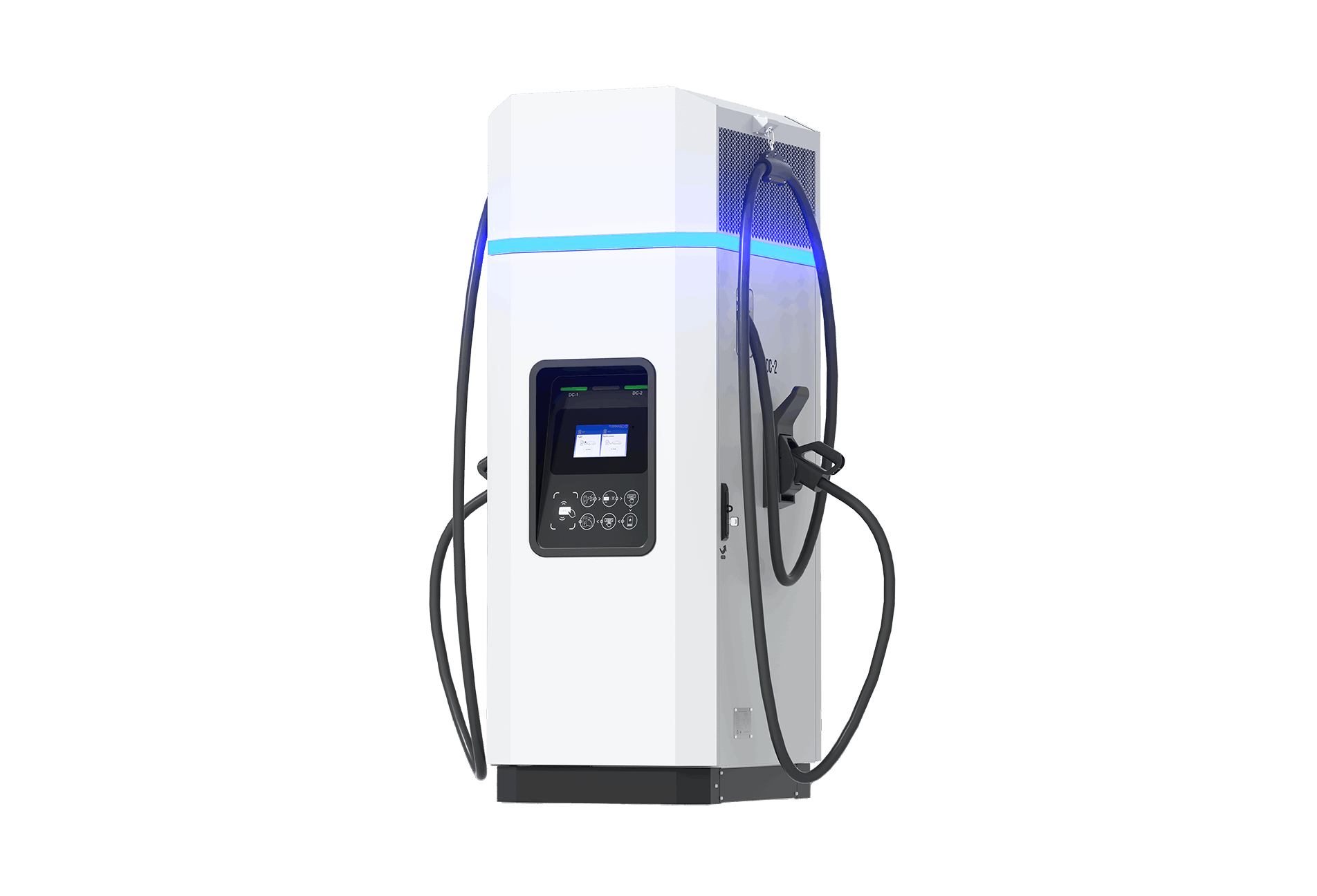
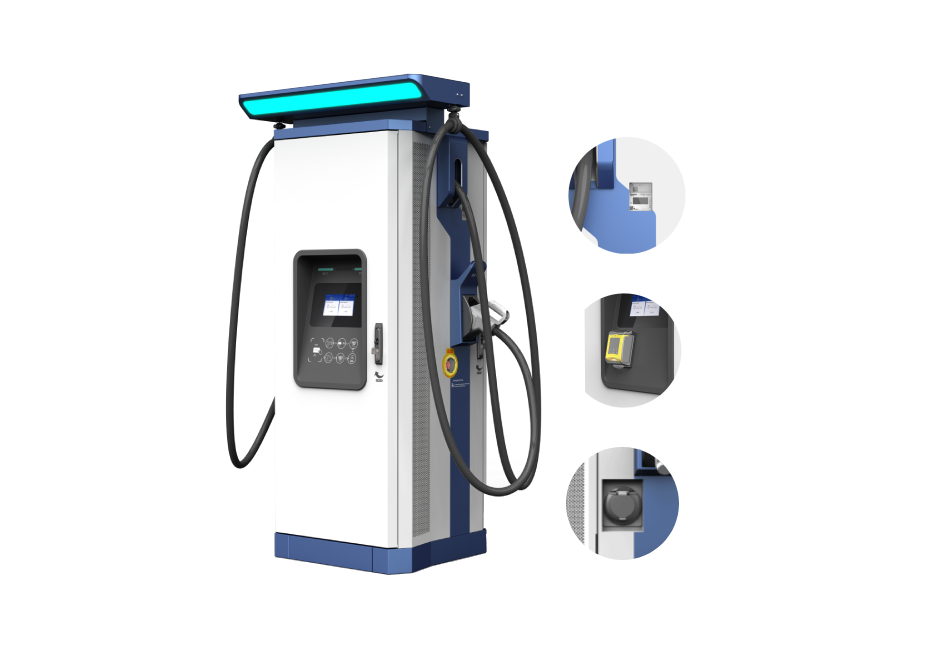
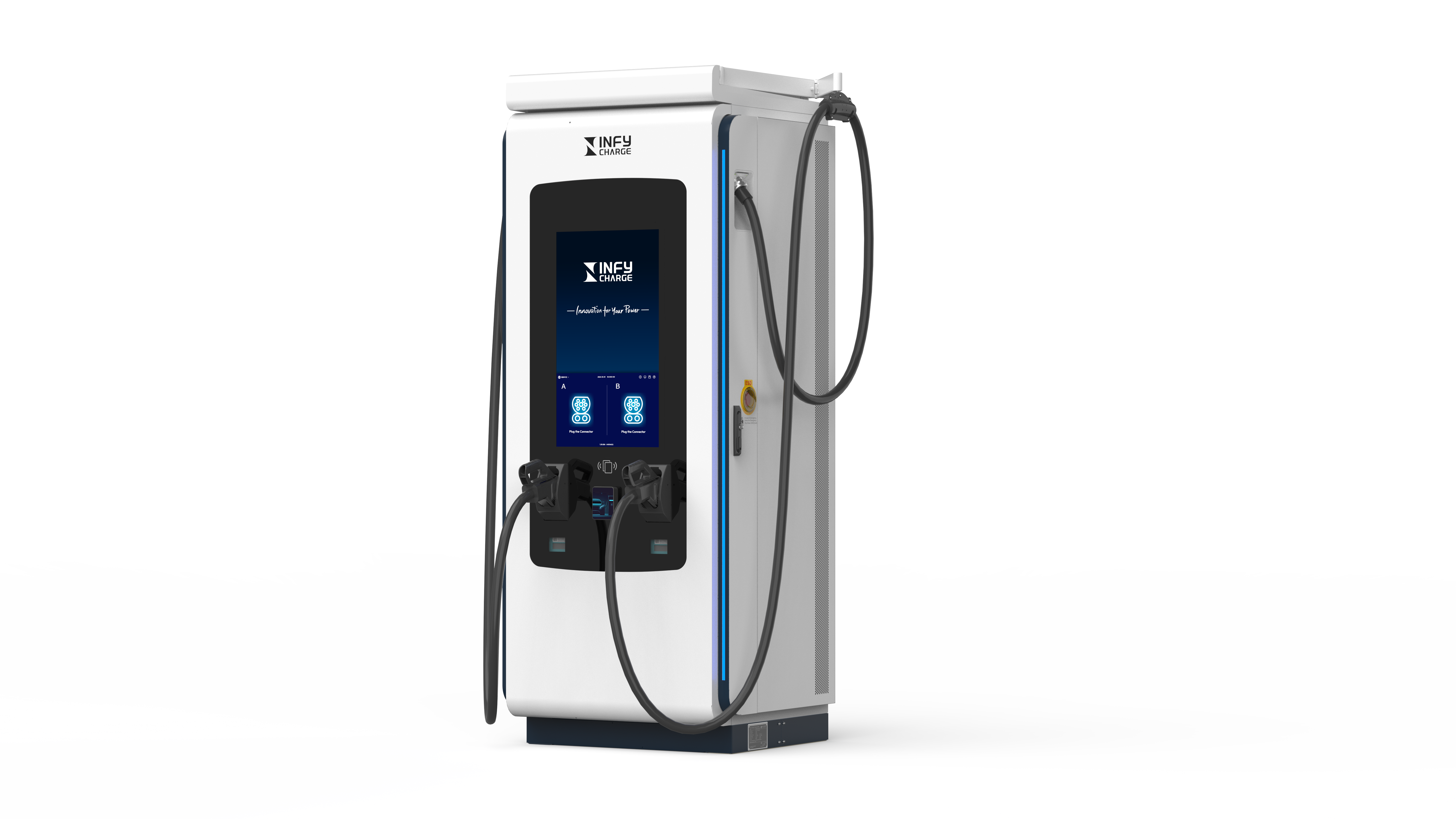
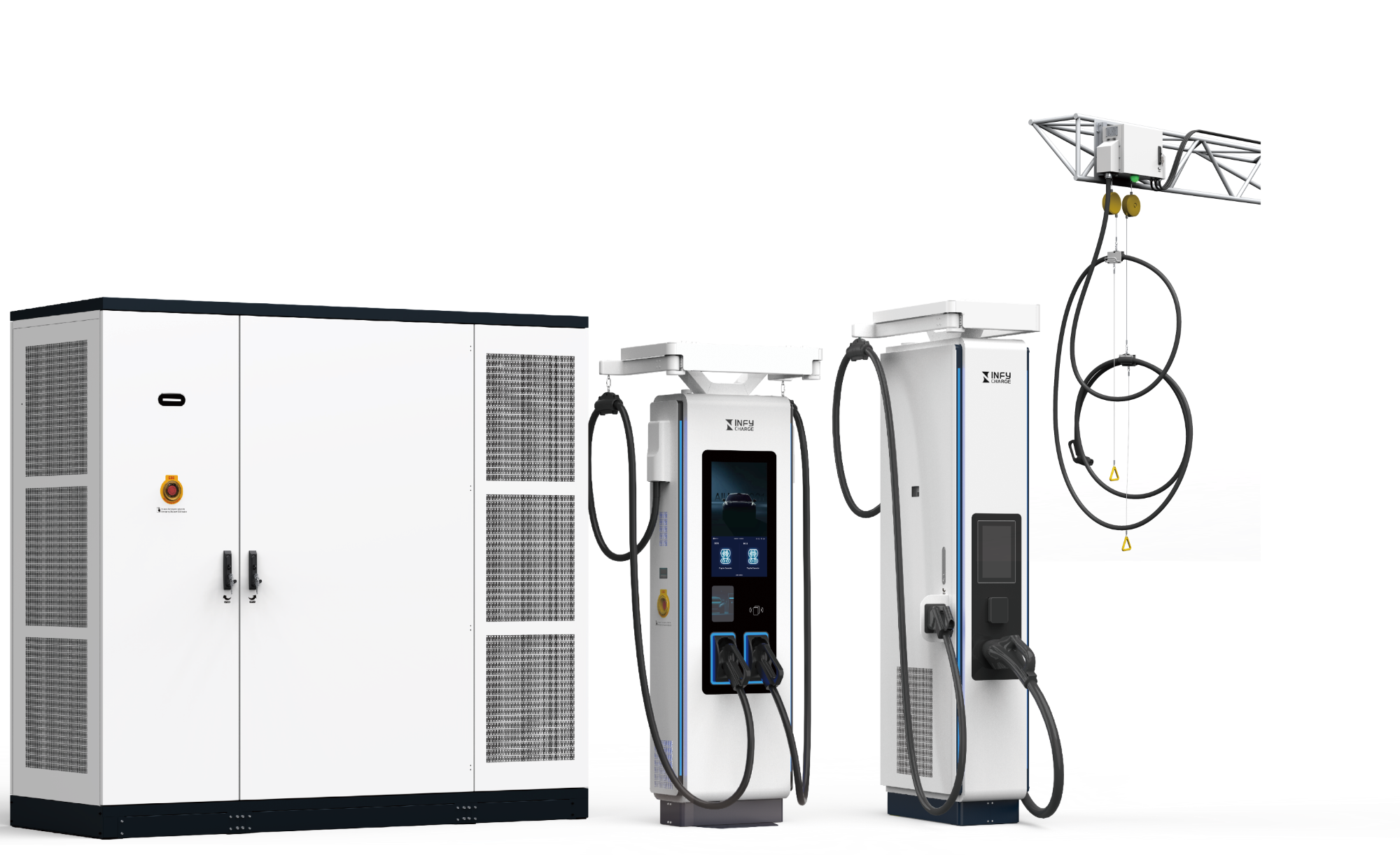
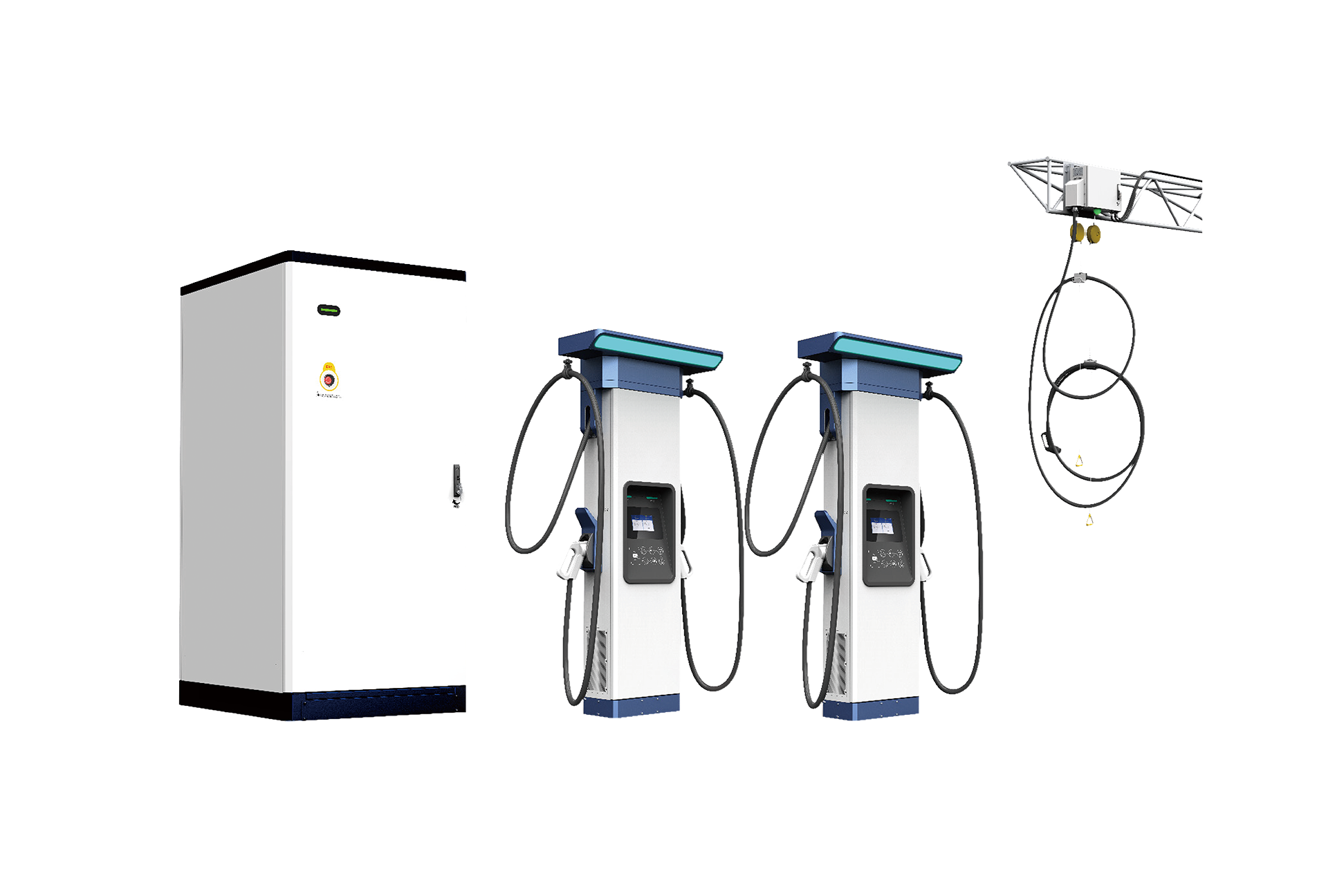
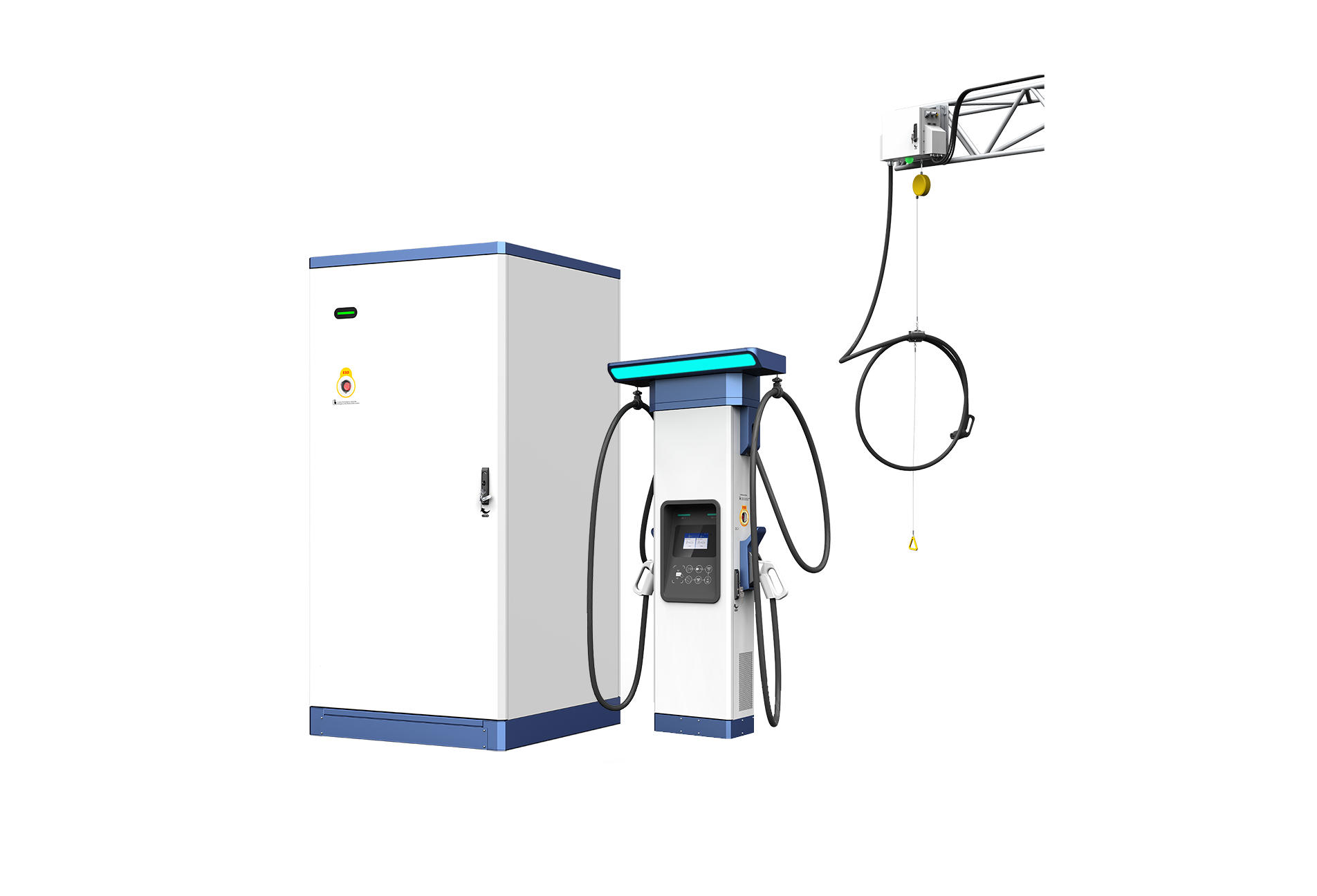
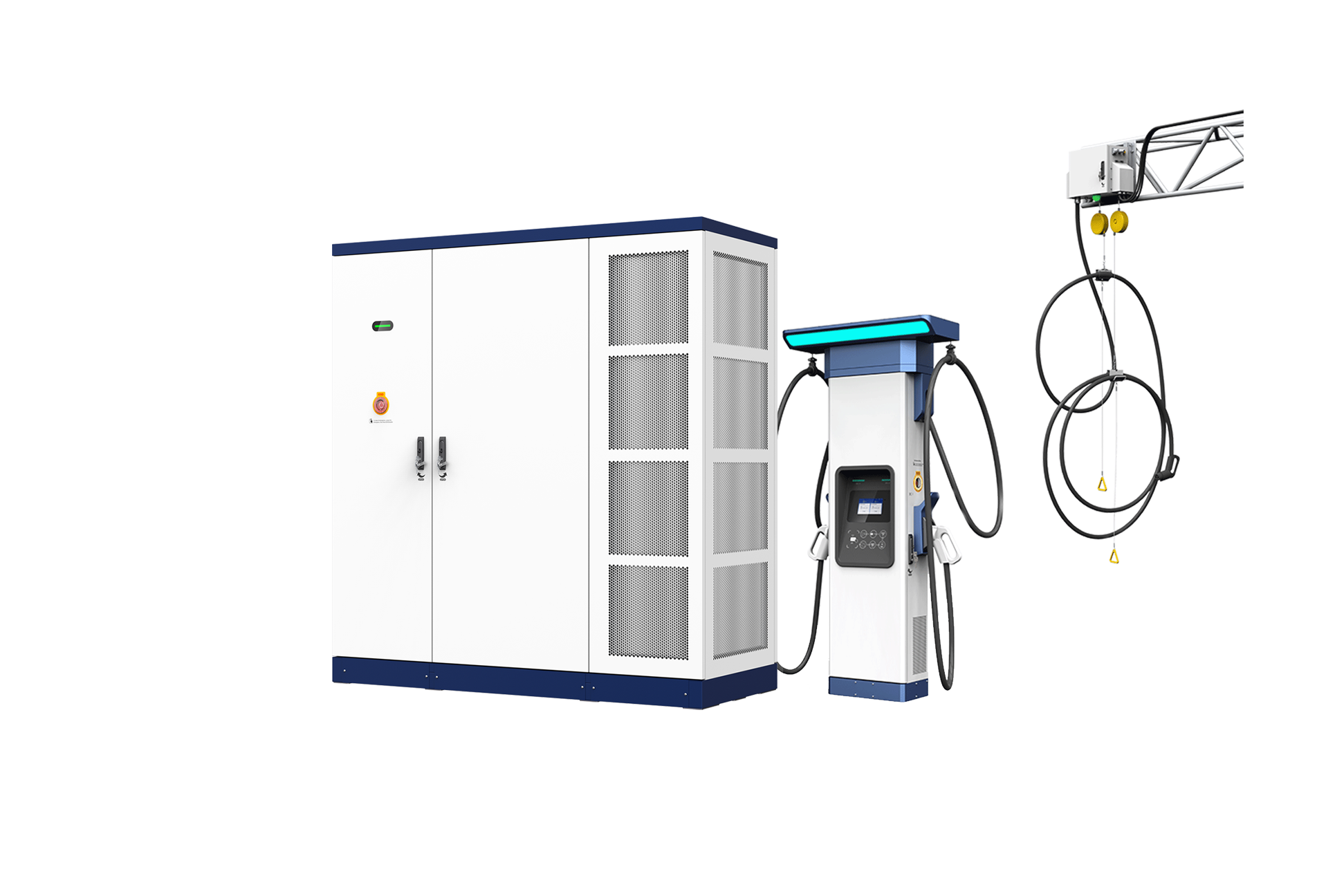
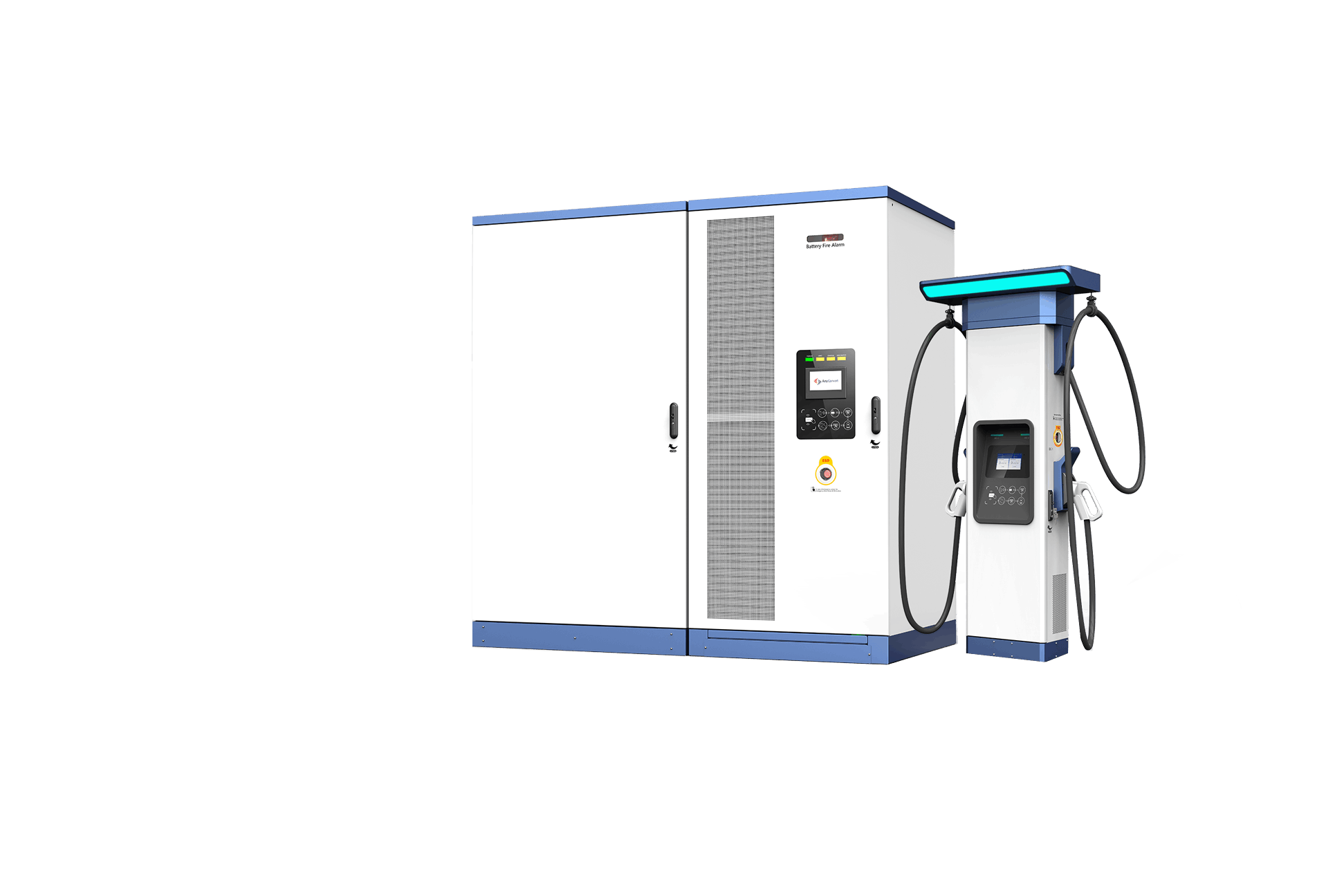
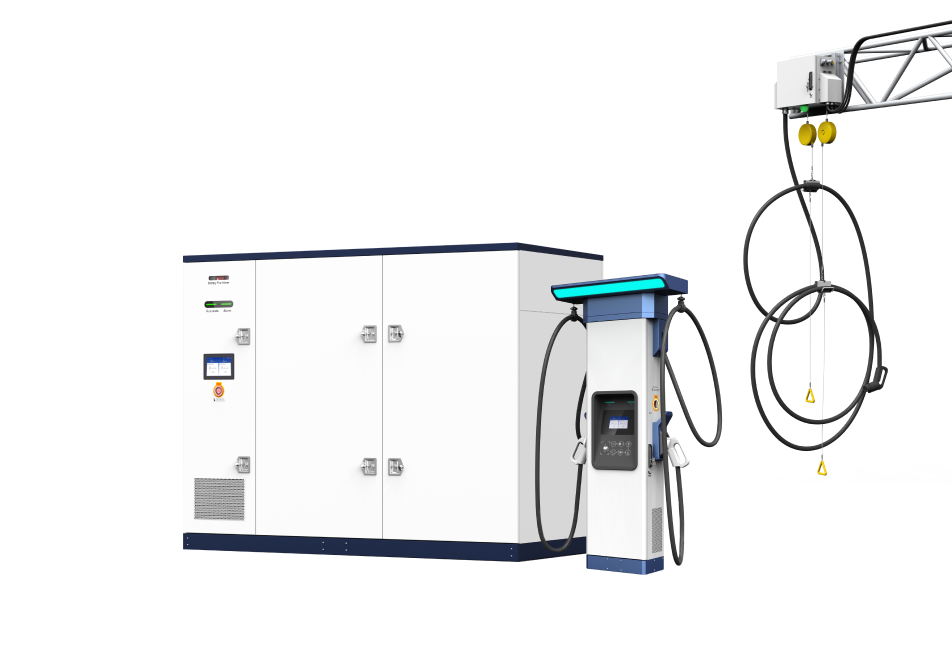
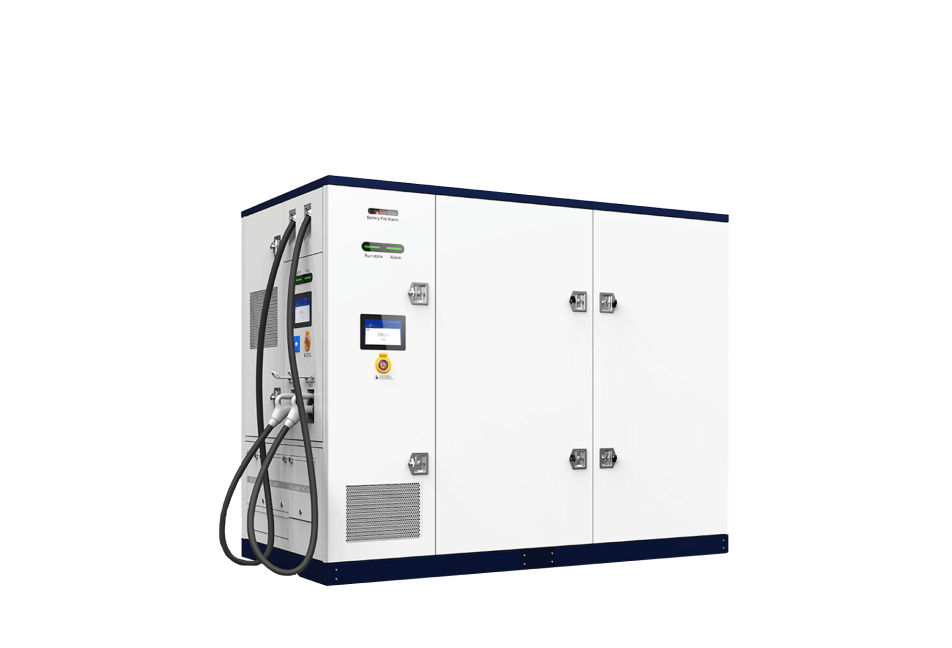
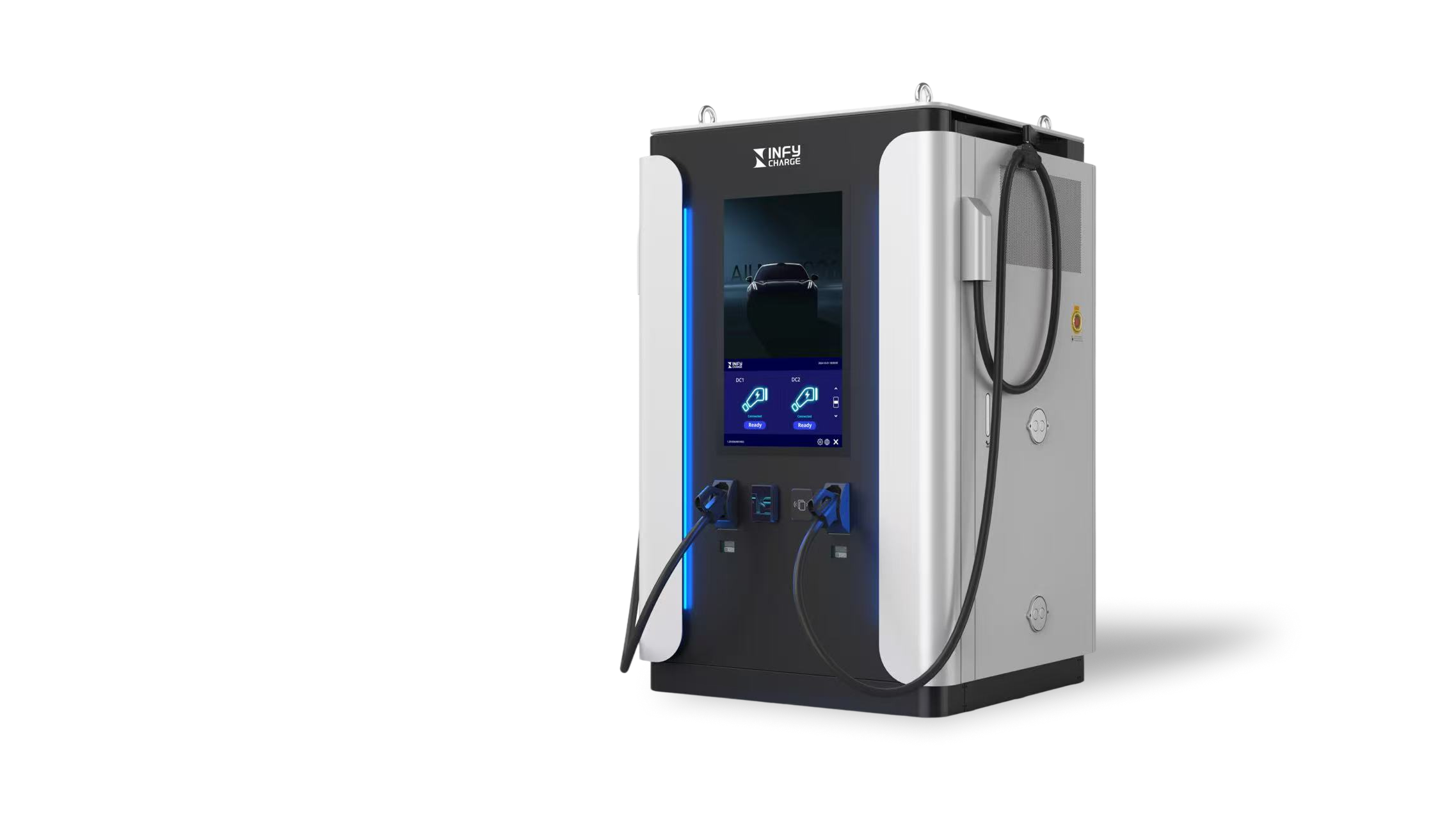
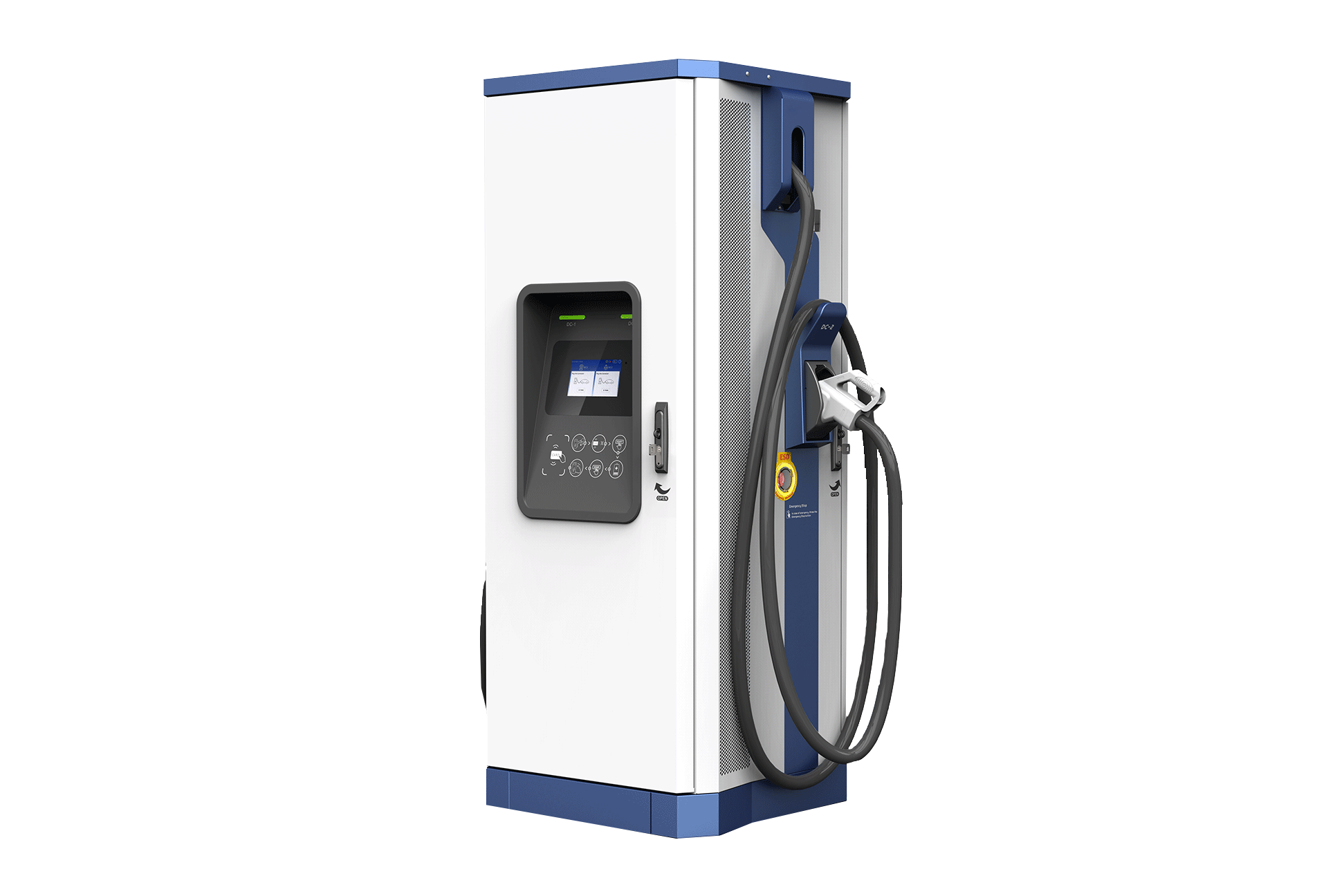
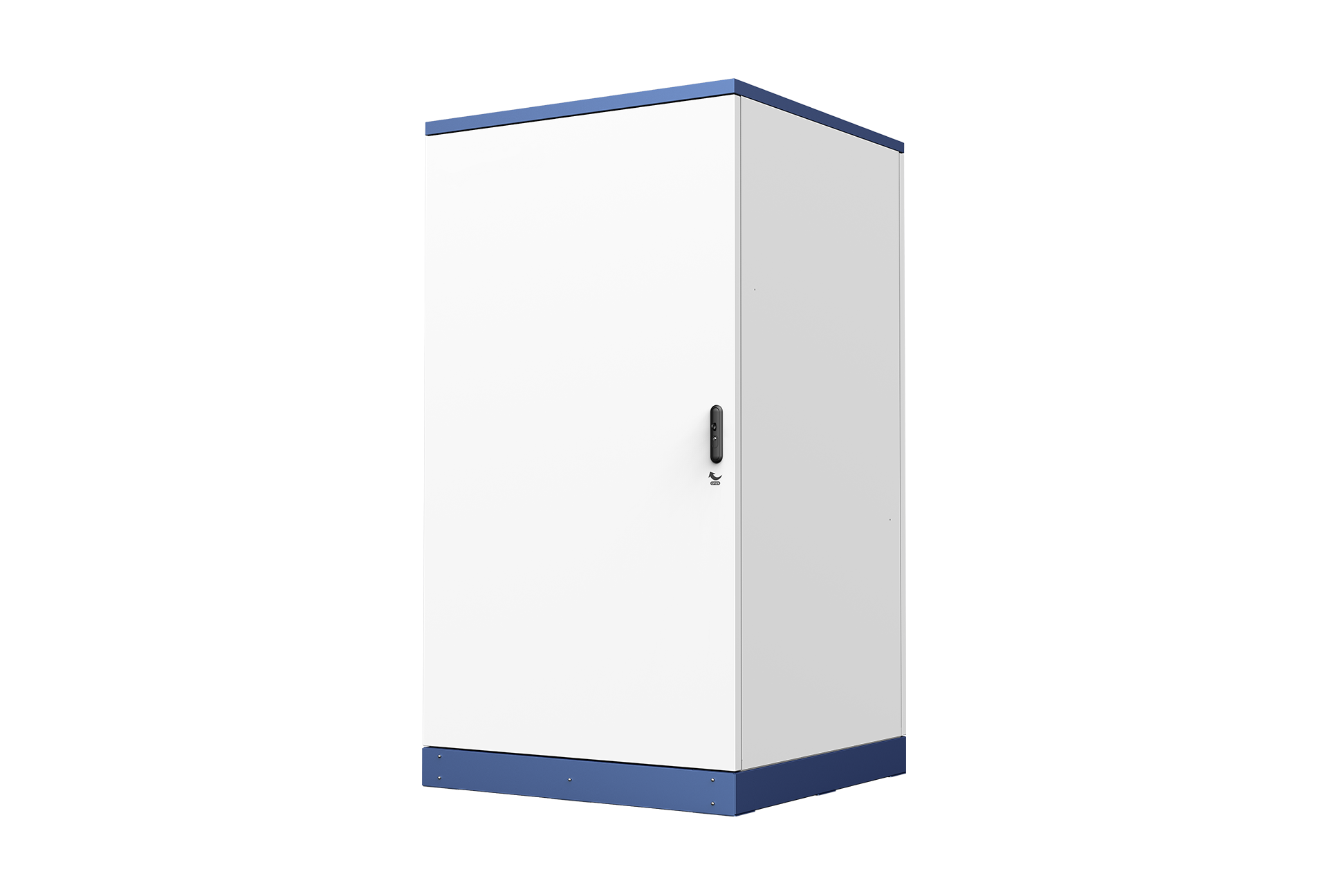
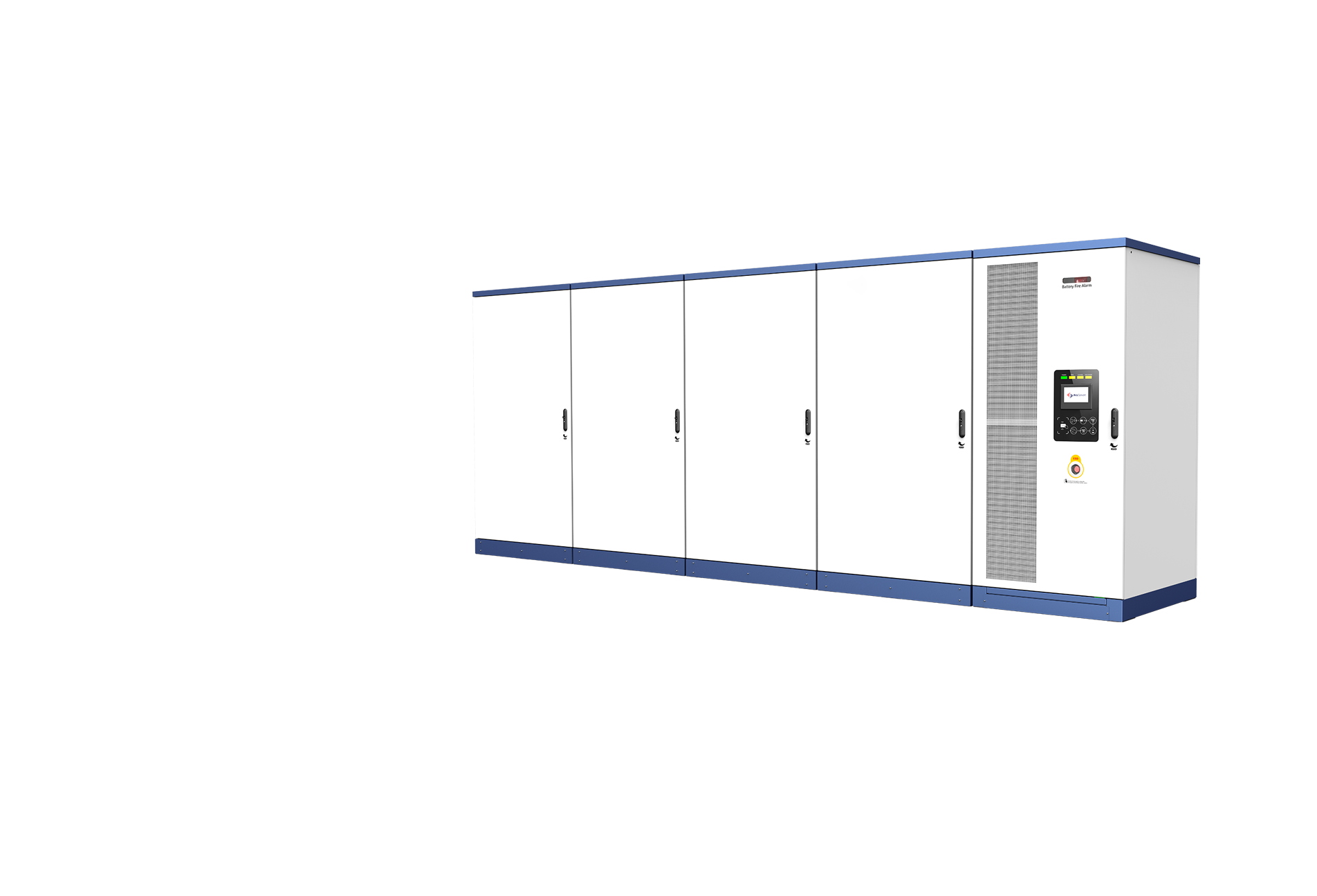
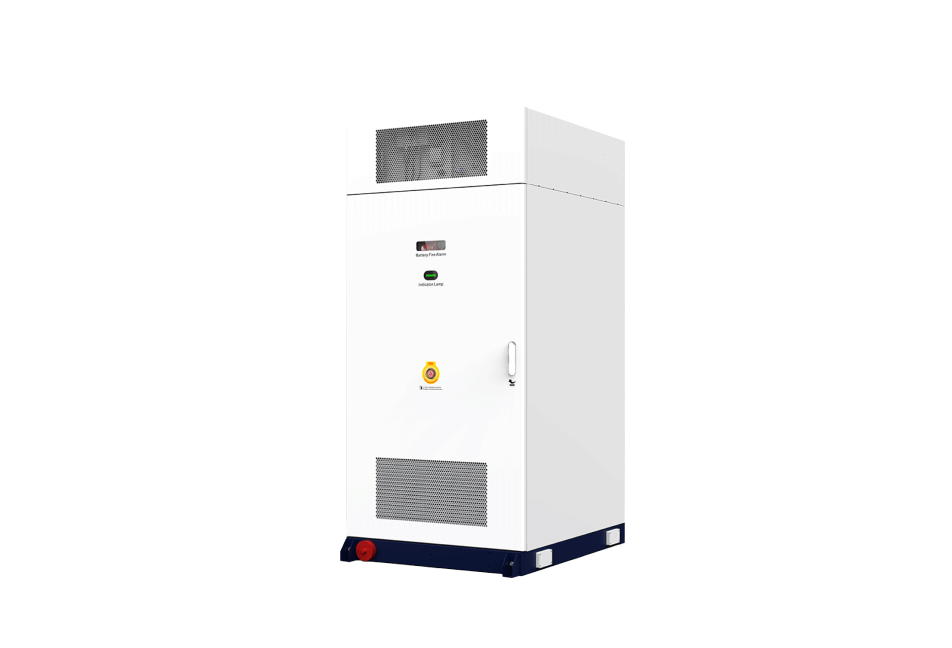
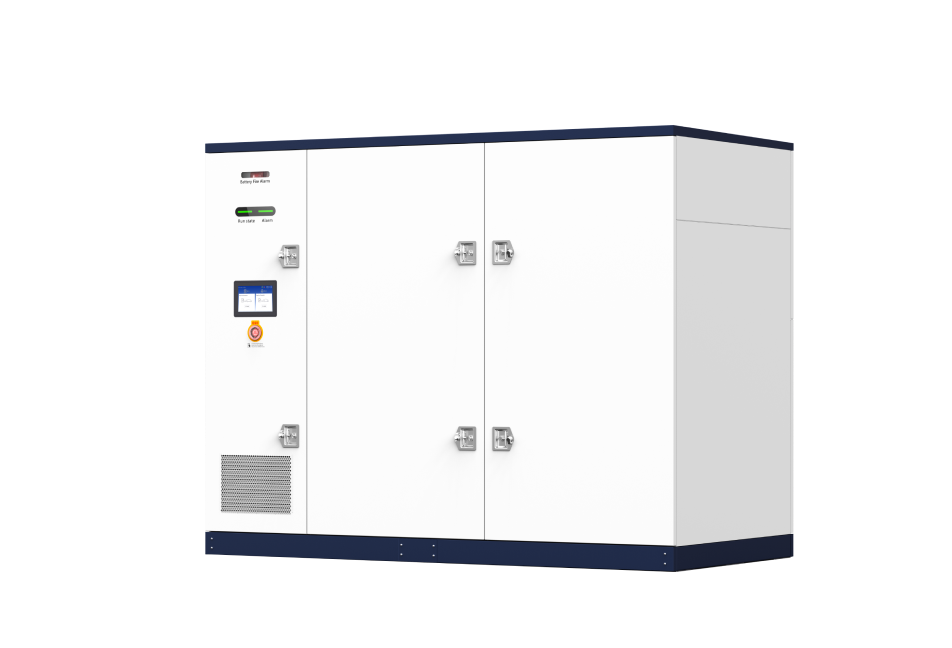
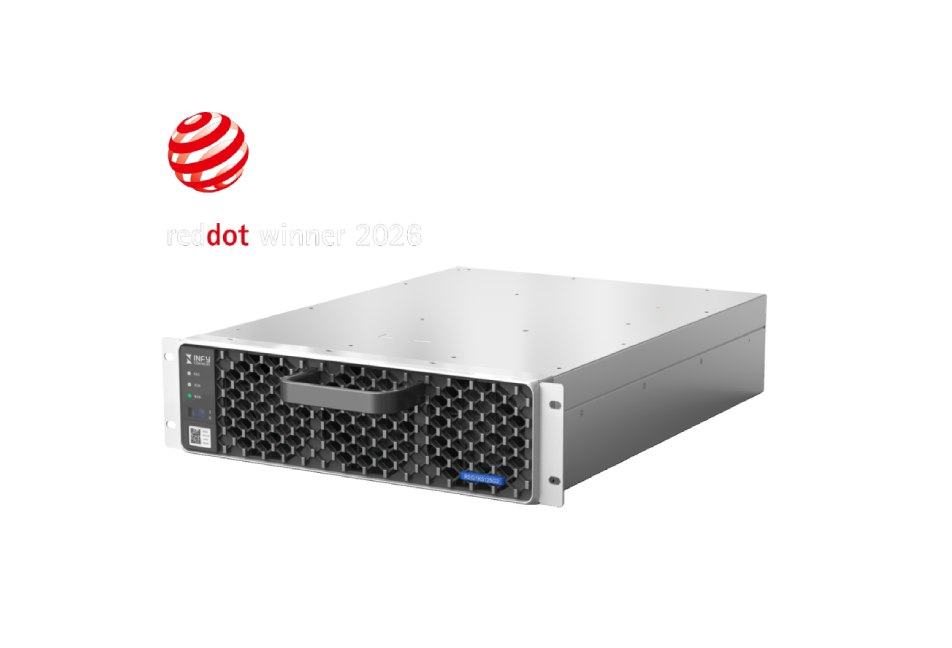
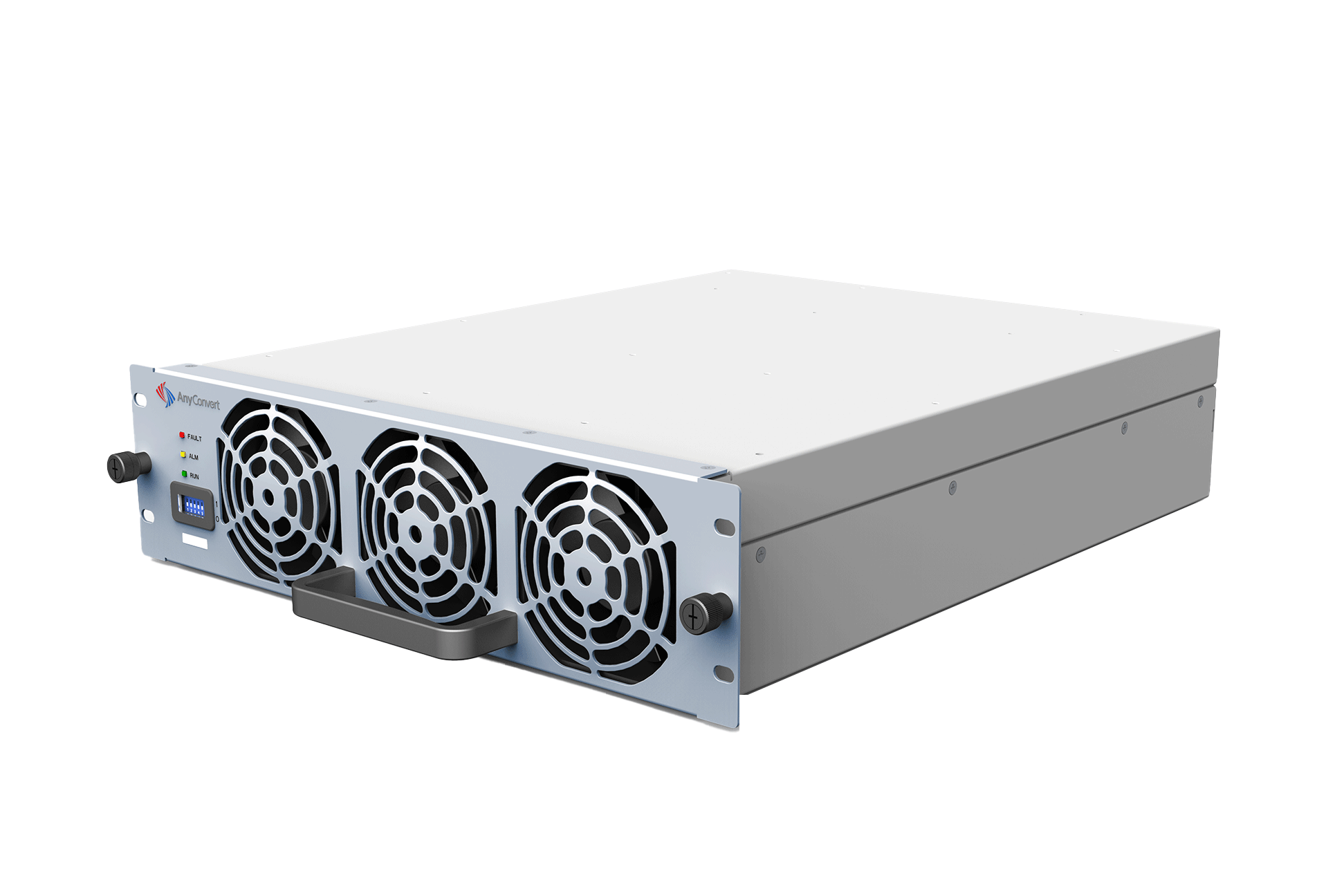
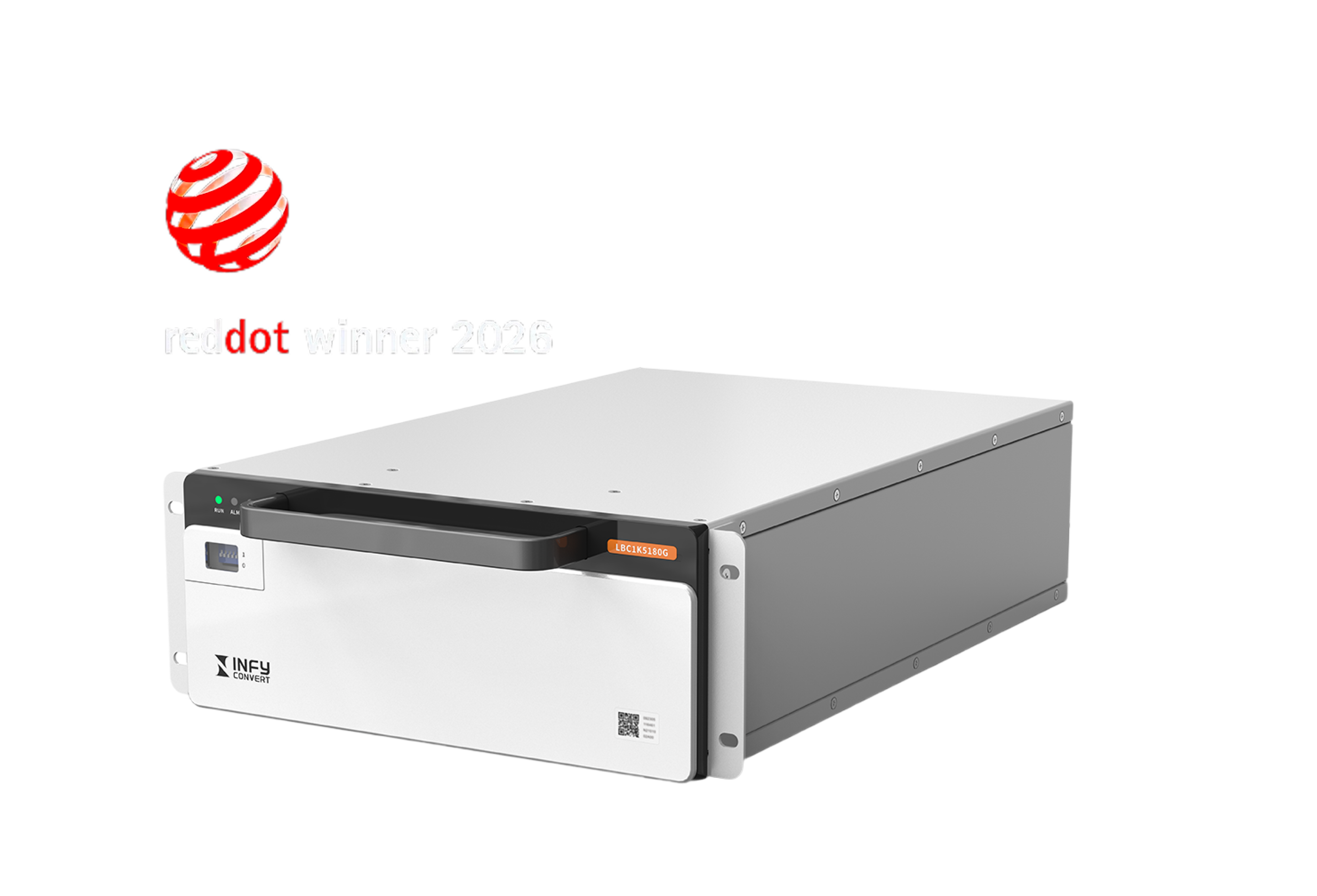
To solve these challenges, we must move beyond the traditional plug-and-grid model. Infypower is pioneering a DC-Bus Integrated Solution that harmonizes LFP battery storage with ultra-fast charging infrastructure.
DC-Bus Advantage
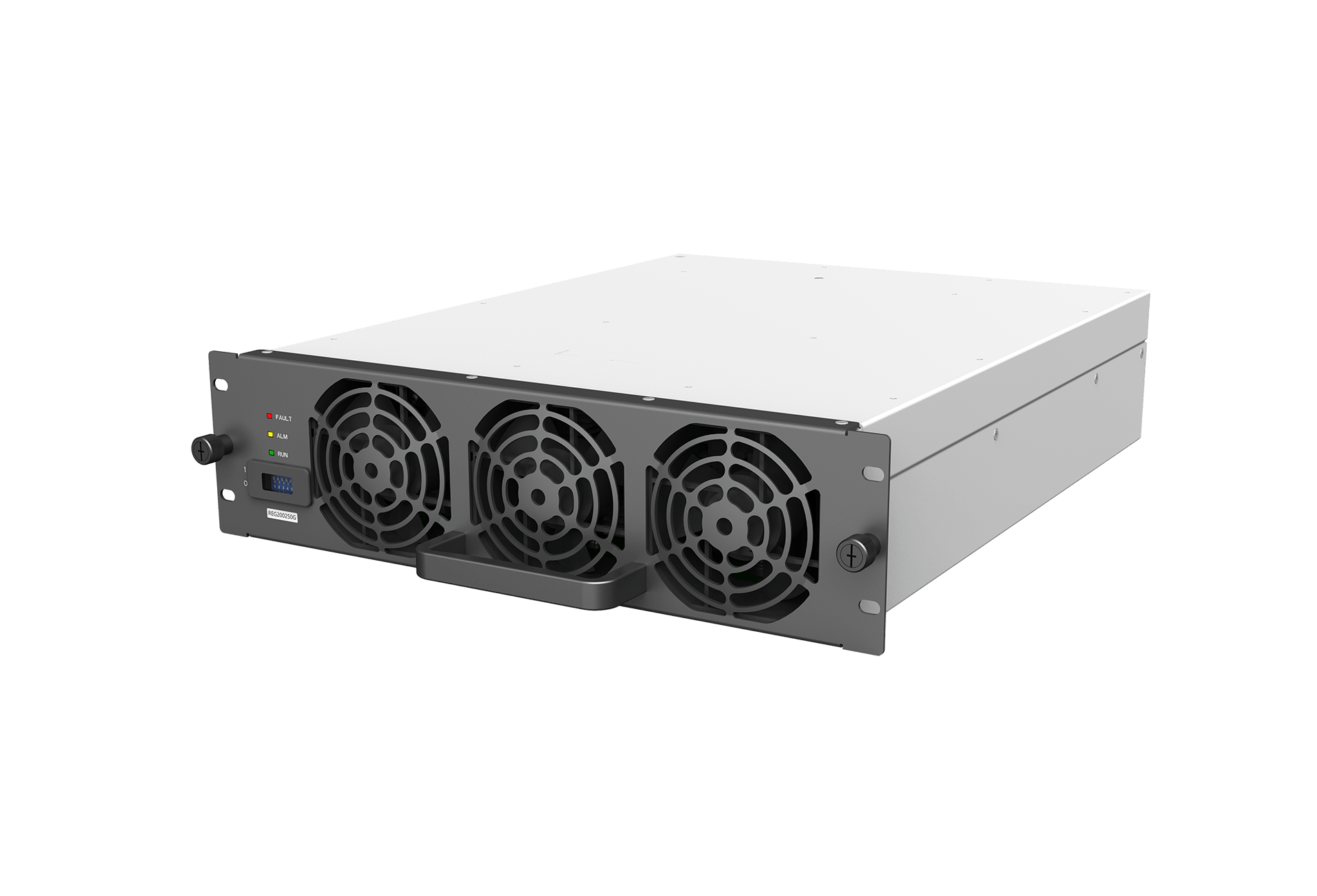
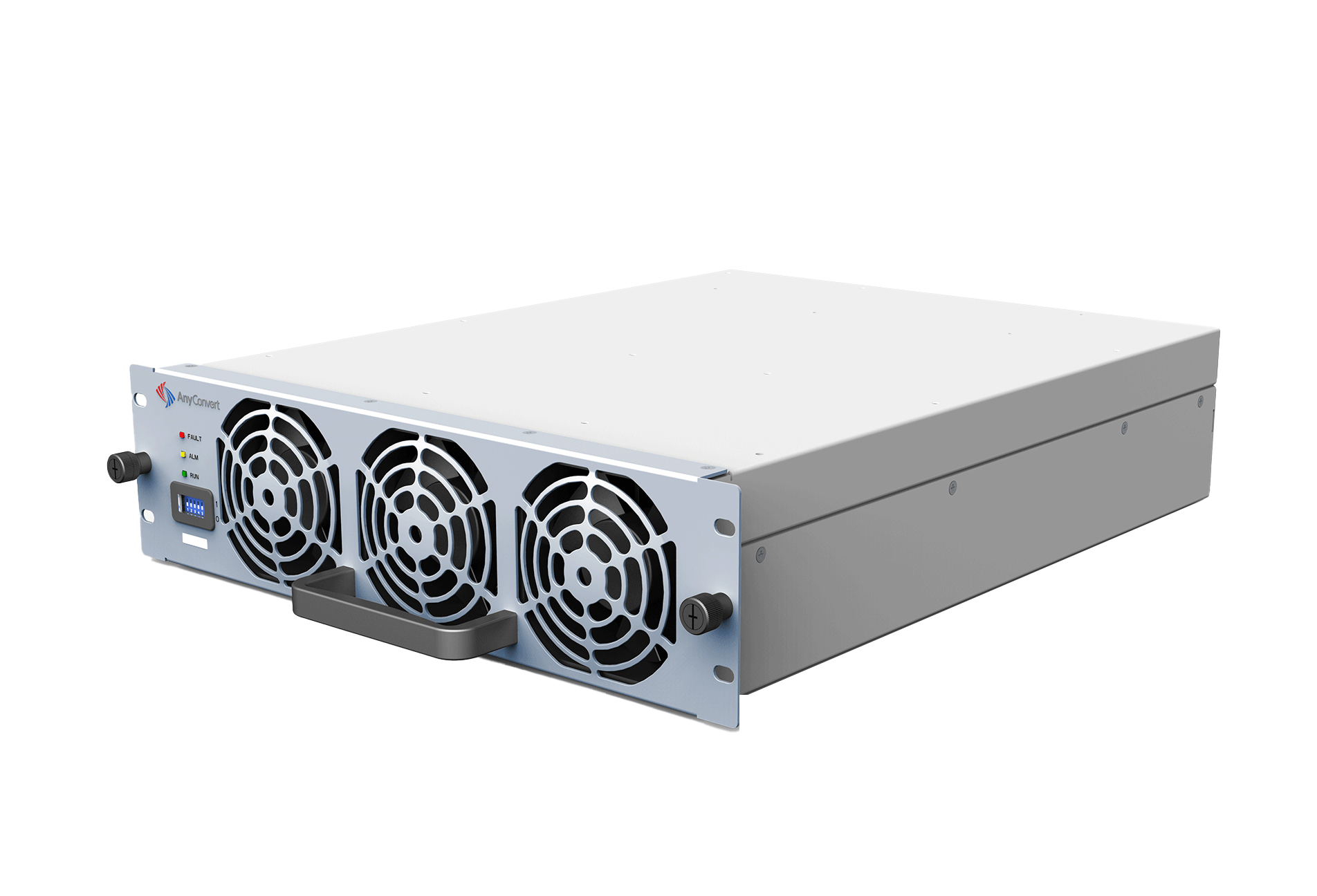
Unlike traditional AC-bus systems, Infypower’s DC-bus architecture directly interconnects the power unit, battery energy storage, and charging terminals, significantly reducing conversion losses and delivering 3–4% higher overall system efficiency.
The DC bus enables highly efficient energy transfer among photovoltaic (PV) generation, energy storage, and EV charging, while eliminating the need for an external isolation transformer.
Intelligent Unified Energy Management
The entire system can be managed by local and clould Energy Management System (EMS), which provides unified dispatch and control across energy storage, PV generation, grid interaction, and EV charging. This coordinated control strategy enables greater operational flexibility, optimized energy utilization, and dynamic power flow management between the grid, renewables, batteries and vehicles.
Strategic Scenarios: Turning Constraints into Assets
Scenario 1: High-Power Charging Under Grid Constraints
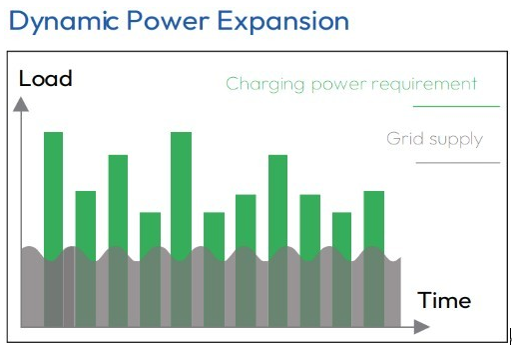
High Power Charging Anywhere
Characteristics: Energy storage batteries charge during off-peak periods and discharge during peak charging hours, effectively enabling dynamic grid capacity expansion while reducing stress on the local distribution network.
Value: Avoids costly grid upgrades while enabling fast charging for electric vehicles.
Scenario 2: Peak-Valley Arbitrage and Demand Response
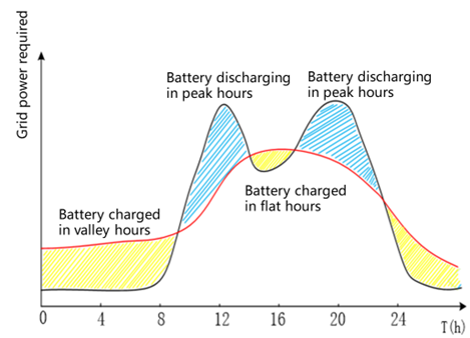
Energy Storage + EV Charging
Characteristics: Energy storage batteries charge during valley and flat tariff periods and discharge during peak price periods. Alternatively, the system can respond to grid dispatch signals and feed energy back into the grid.
Value: Enables peak-valley arbitrage, participation in demand-side response programs, reduced electricity costs, and increased operational revenue for charging station operators.
Scenario 3: Charging Stations with Unstable Grid Power
Characteristics: Energy storage batteries charge when grid power is available and discharge when grid supply is interrupted, serving as a reliable backup power source.
Value: Maximize charging uptime and enables continuous EV charging even during grid outages.
Scenario 4: Off-Grid Charging Stations Without Utility Power Access
Characteristics: Charging stations are built using photovoltaics, wind power, or generators combined with energy storage, with batteries acting as the core energy reserve.
Value: Enables EV charging in areas without grid access and ensures charging availability during nighttime or periods without renewable generation.
Scenario 5: Mobile Energy Storage Charging Stations for Emergency and Temporary Use
Characteristics: Energy storage batteries serve as energy reserves.
Value: Provides temporary rescue and emergency charging services, supporting rapid deployment and flexible operation in disaster response, roadside assistance, and temporary event scenarios.
The Road Ahead: From Charging Stations to Virtual Power Plants (VPP)
Infypower’s energy storage + EV charging solution can further integrate vehicle-to-grid (V2G) functionality, transforming idle EVs into mobile energy assets.
By aggregating these distributed resources, we enable charging networks to evolve into Virtual Power Plants (VPPs). This allows CPOs more flexibility in responding to grid demands and contributing to a truly circular, zero-carbon ecosystem.
At Infypower, we don’t just build charging stations; we build the Resilient Energy Infrastructure that makes sustainable transportation a global reality.
# Energy storage batteries #high-power charging (HPC) #Charging Stations