


10 Critical Challenges Facing HPC Operators
December 12, 2025
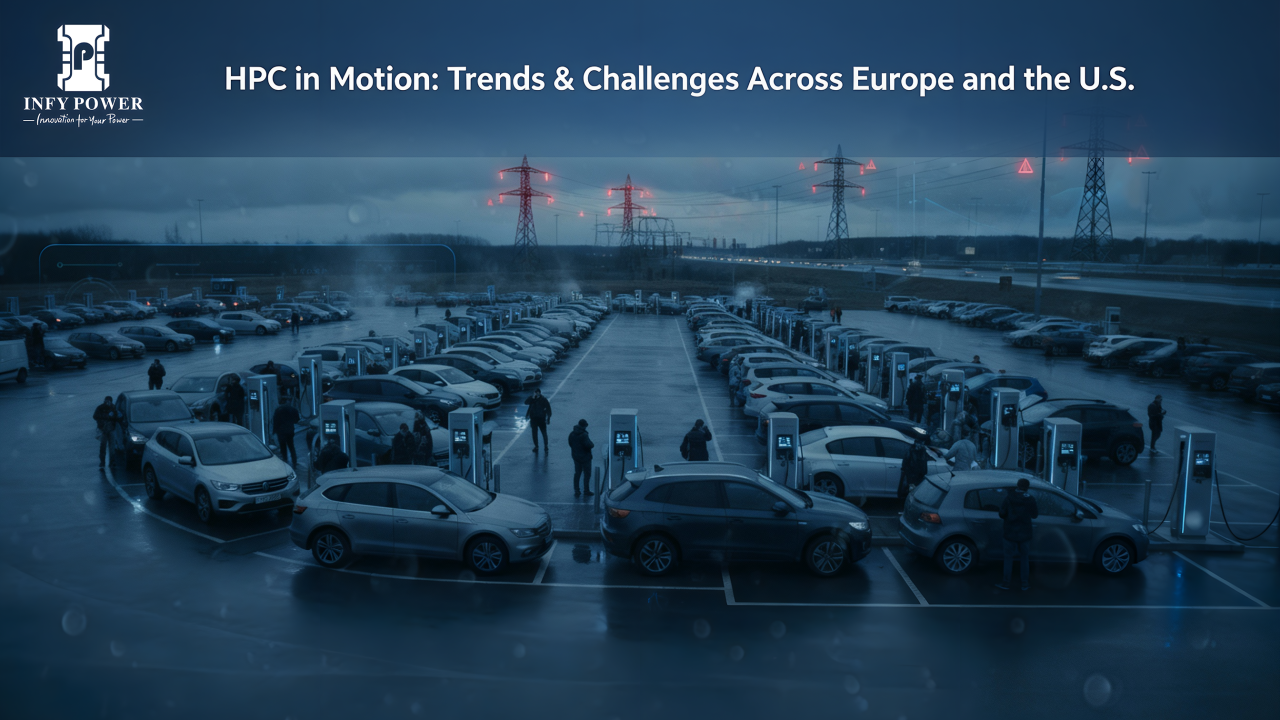
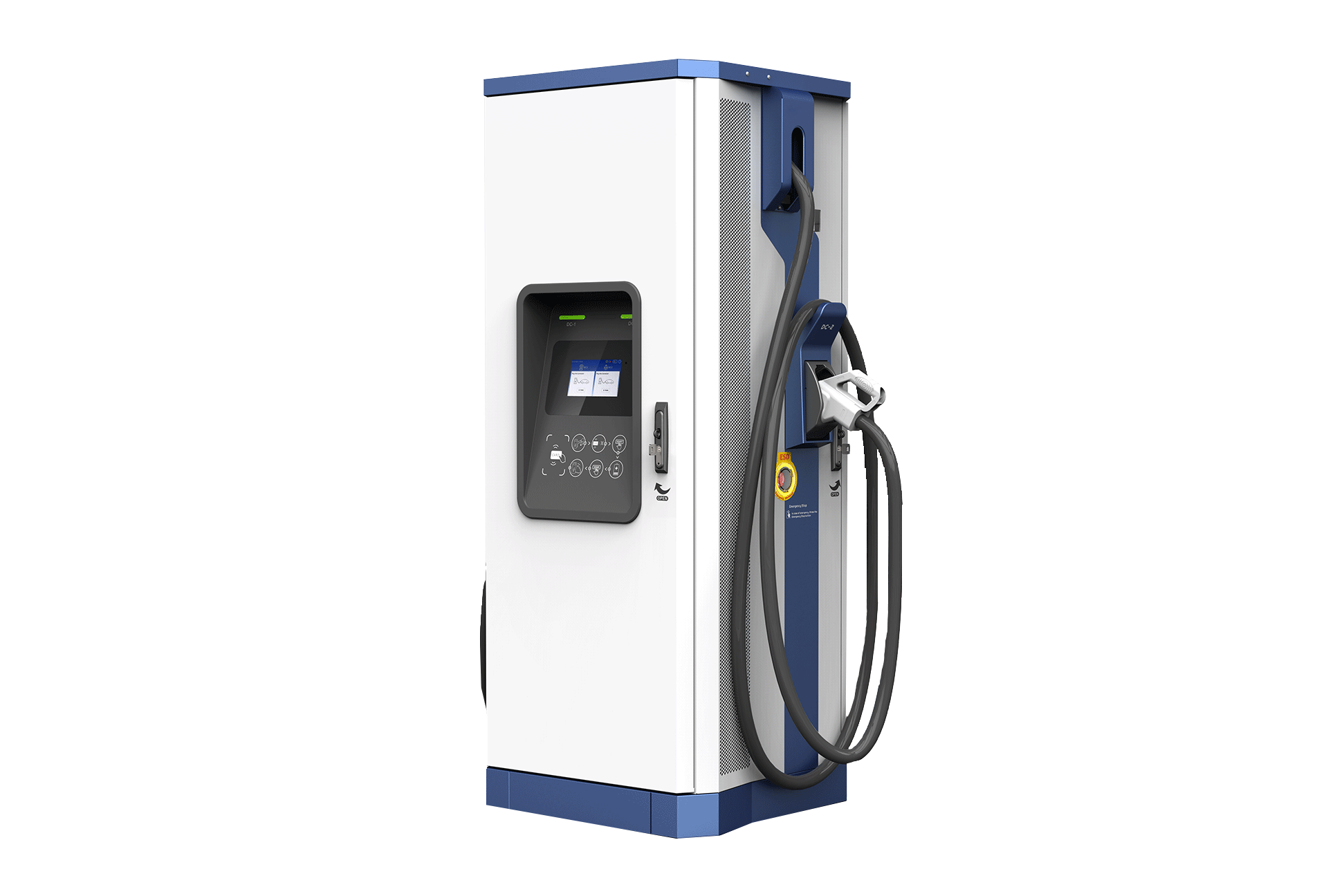
High-power charging (HPC) infrastructure is expanding rapidly across Europe and the U.S., powering the next phase of electric mobility. Regions with higher EV adoption tend to install more ultrafast chargers—favored by drivers for their speed and efficiency. But behind this progress lie serious operational and infrastructure hurdles. Here are ten critical challenges facing HPC operators—and actionable solutions to shaping their path forward.
1. Grid Connection & Capacity Limits
High-power charging stations (>350 kW) place significant demand on local grids, leading to extended lead times, limited capacity, and costly upgrades. In Germany, distribution system operators (DSOs) often impose 2–3-year waiting periods for new connections; in California, utilities have paused high-capacity applications in congested areas. Each site can cost tens of thousands of euros and take 18–36 months to energize.
Strategies:
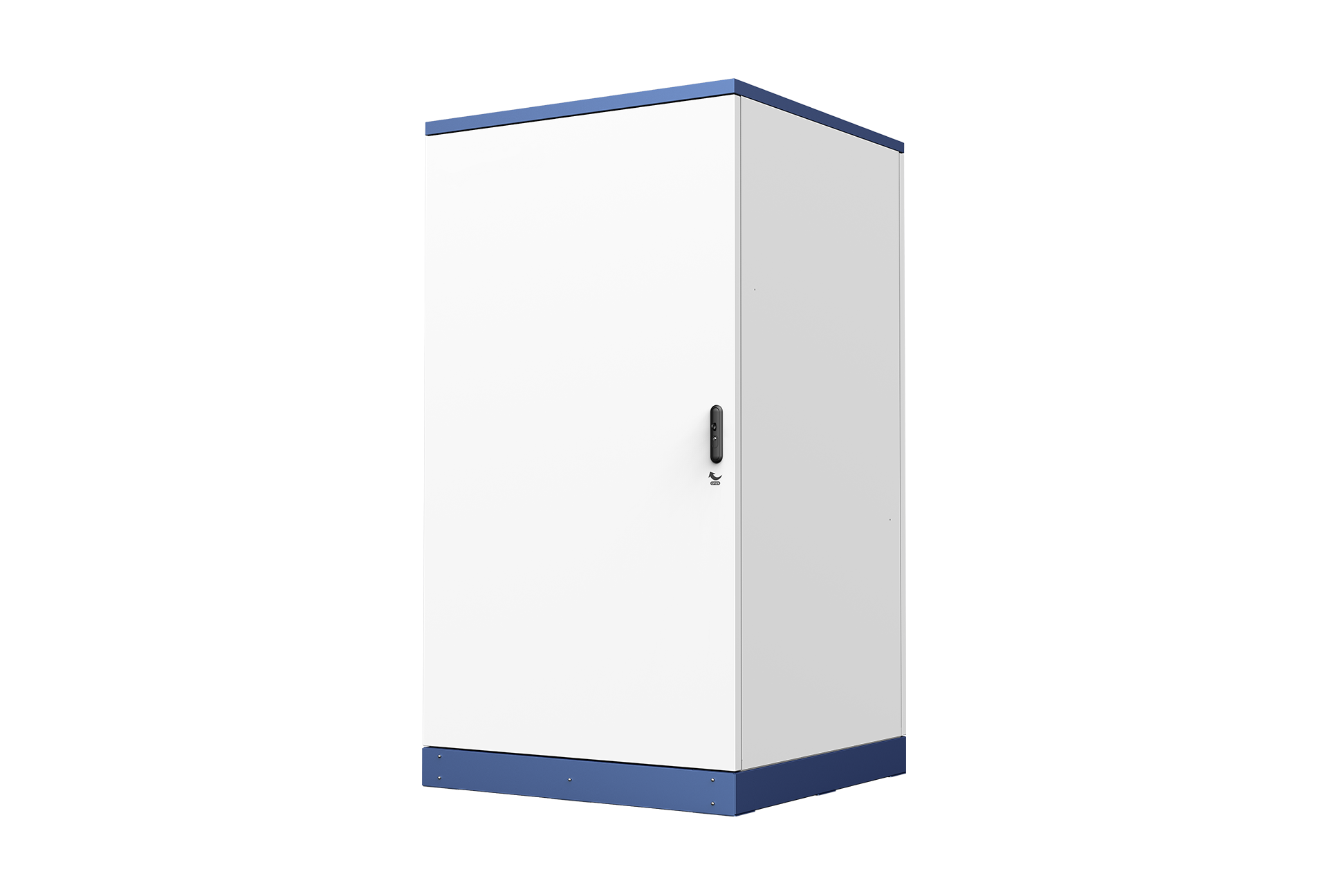
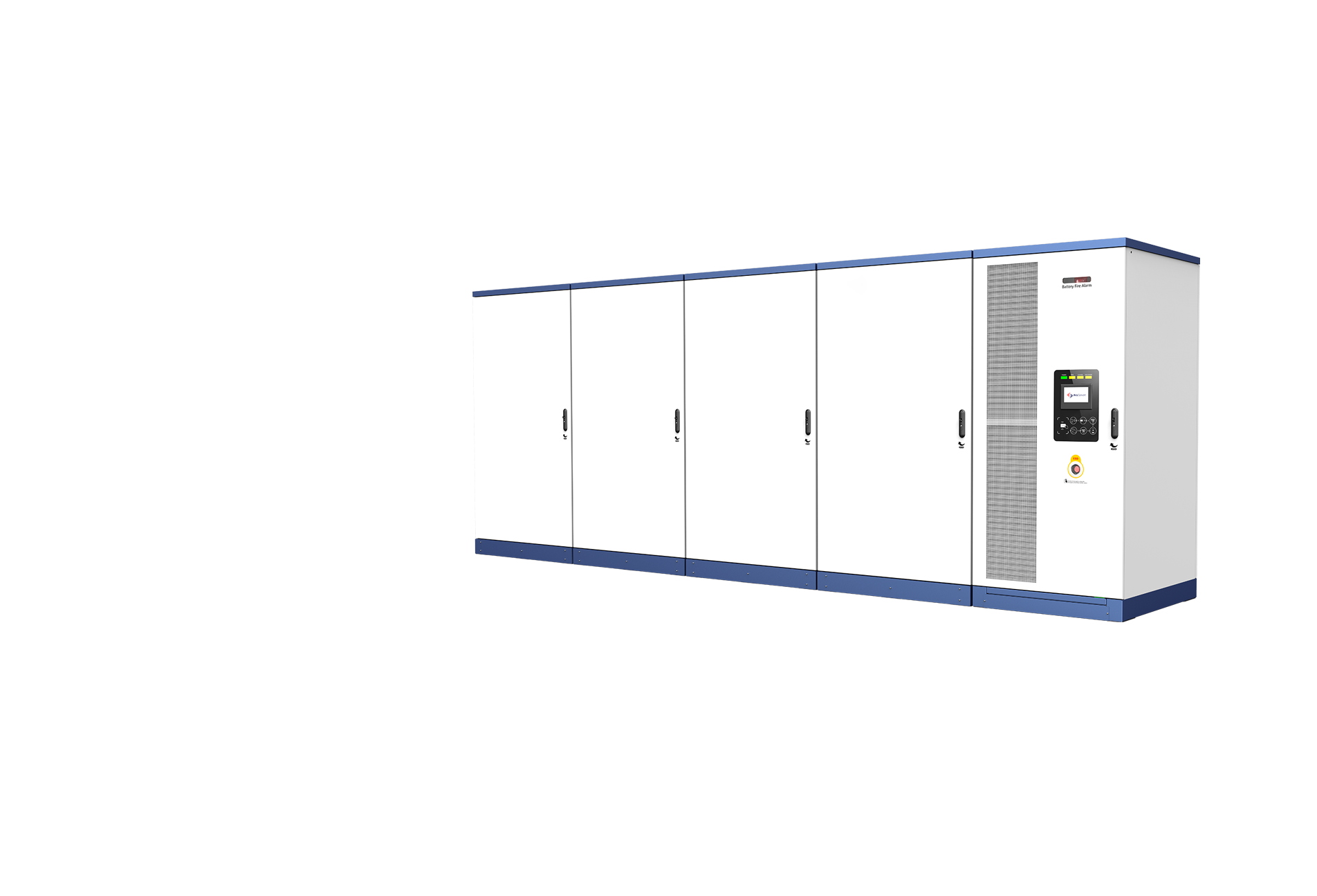
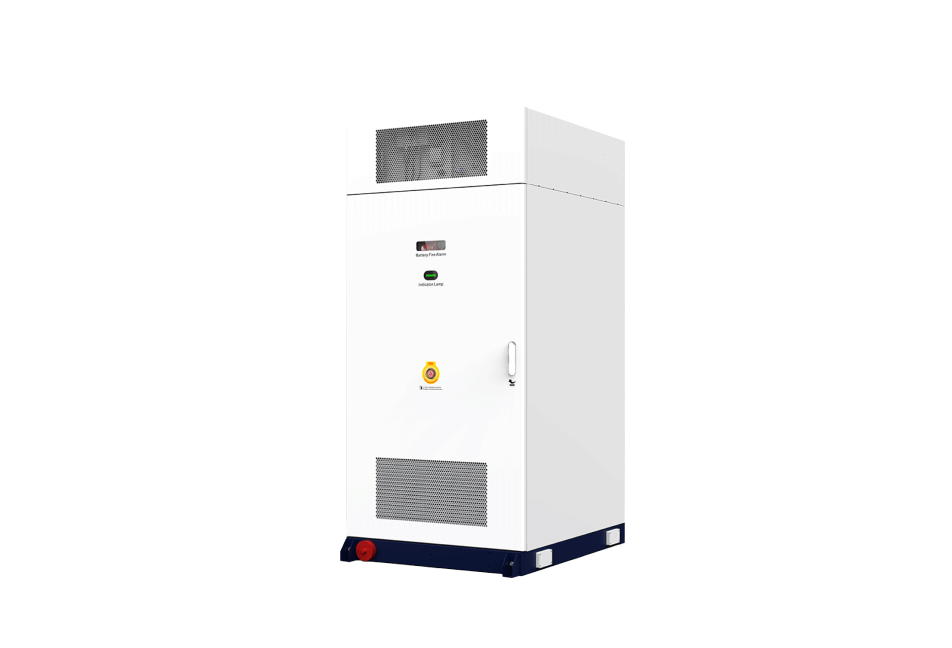
• Deploy on-site battery energy storage systems (BESS) to shave peaks and support weak grids.
• Engage early with DSOs for flexible connection planning.
• Integrate solar + storage hybrids to boost self-consumption and grid independence.
2. Grid Approval & Deployment Delays
Multi-layer permitting and inconsistent regulations can extend project timelines to multiple years.
Strategies:
• Use modular, prebuilt charging systems for faster on-site installation.
• Leverage policy frameworks such as EU AFIR and U.S. NEVI to streamline approvals.
• Conduct power and land feasibility studies during early site screening.
3. High CAPEX & Uncertain ROI
Massive upfront investments in grid connections, site preparation, and charging hardware strain project budgets, while early utilization often remains below 20%. This imbalance between heavy CAPEX and slow demand growth limits profitability and delays ROI, especially in emerging EV markets.
Strategies:
• Apply phased rollouts—start small and scale with demand.
• Use BESS for grid service participation (e.g., FCR, peak shaving) to create new revenue streams.
• Implement storage-buffered charging to defer grid upgrade costs.
4. Power Price Volatility & Rising Energy Costs
Unpredictable wholesale prices, fluctuating energy tariffs, and high demand charges during peak hours can significantly erode operator margins. In markets with volatile electricity pricing, sudden cost spikes make it difficult to maintain stable revenue stream
Strategies:
• Introduce dynamic pricing aligned with time-of-use tariffs.
• Combine solar and storage to increase clean energy utilization and reduce energy costs.
• Join demand response programs to capture extra revenue.
5. Interoperability & Roaming Fragmentation
Diverse charging standards and payment platforms fragment user experience.
Strategies:
• Adopt international standards such as OCPP, OCPI, and ISO 15118 (Plug & Charge).
• Join roaming platforms to expand accessibility and convenience.
6. Site Selection & Space Limitation
Prime sites near highways, retail centers, and logistics hubs face intense competition and limited space for installation.
Strategies:
• Partner with retailers, fleet depots, and logistics parks for co-located sites.
• Deploy solar + storage canopies to maximize land use and sustainability.
7. Reliability & Maintenance Challenges
Unpredictable charging failures and costly repairs create unsustainable downtime and high upkeep for HPC operators, directly undermining profitability and brand reputation.
Strategies:
• Implement remote monitoring and predictive maintenance tools.
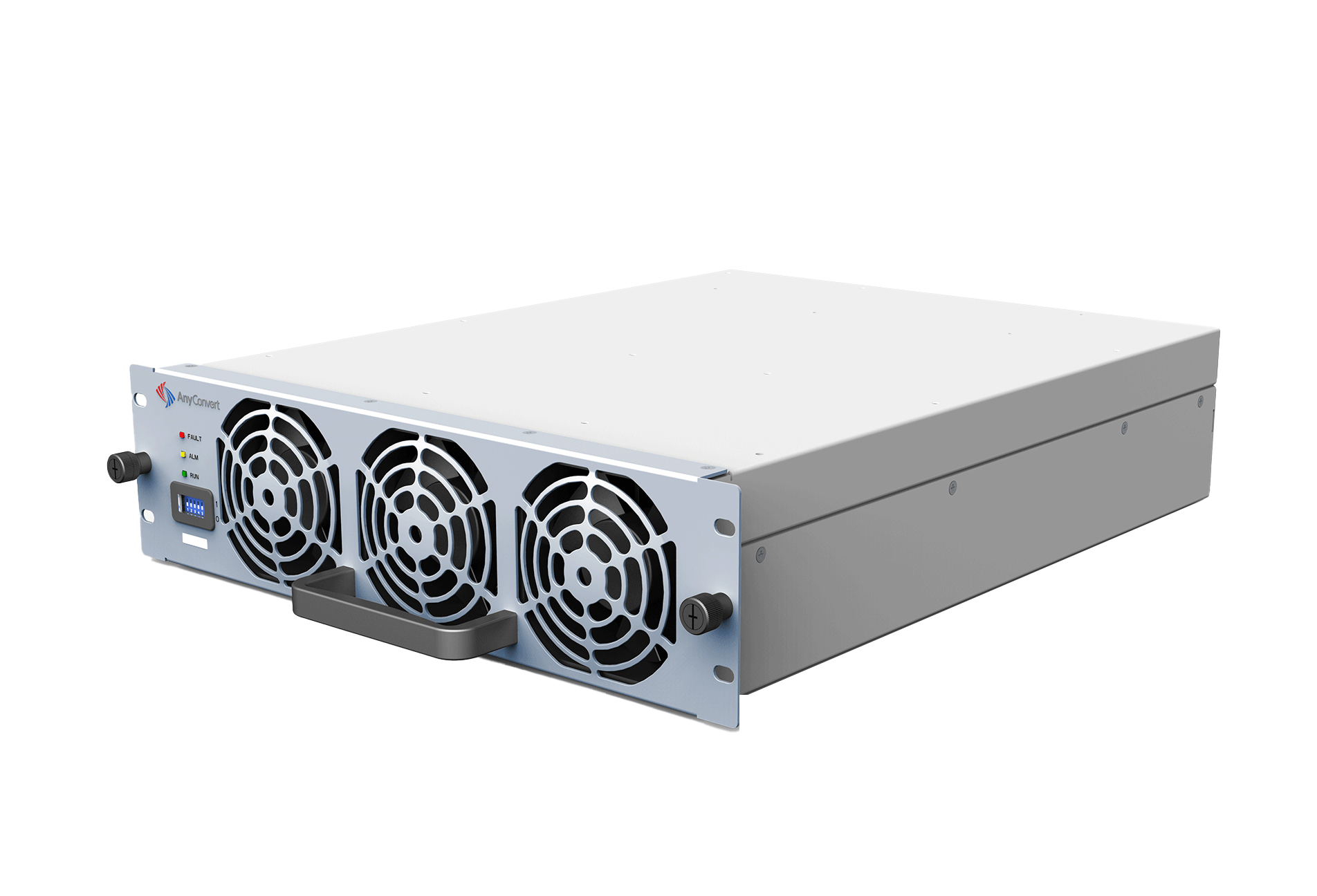
• Adopt modular power stacks for quick component replacement.
8. Demand Volatility & Utilization Risk
Charging demand fluctuates seasonally and geographically, impacting revenue stability.
Strategies:
• Apply data analytics for traffic prediction and smart network planning.
• Partner with fleet operators to secure baseline utilization.
• Introduce subions or reservation systems to stabilize usage.
9. Construction Bottlenecks
Heavy civil works and shortage of skilled high-voltage electrical technicians add months to delivery schedules.
Strategies:
• Adopt factory-preassembled solutions to shift 80% of work offsite, cutting deployment time and eliminating weather delays.
• Upskill internal teams for technical flexibility.
10. Security & Vandalism Risks
Cable theft and equipment damage cause costly downtime. Some regions report up to 15% of chargers affected annually.
Strategies:
• Add CCTV and alarm protection.
• Obtain specialized insurance for high-risk areas.
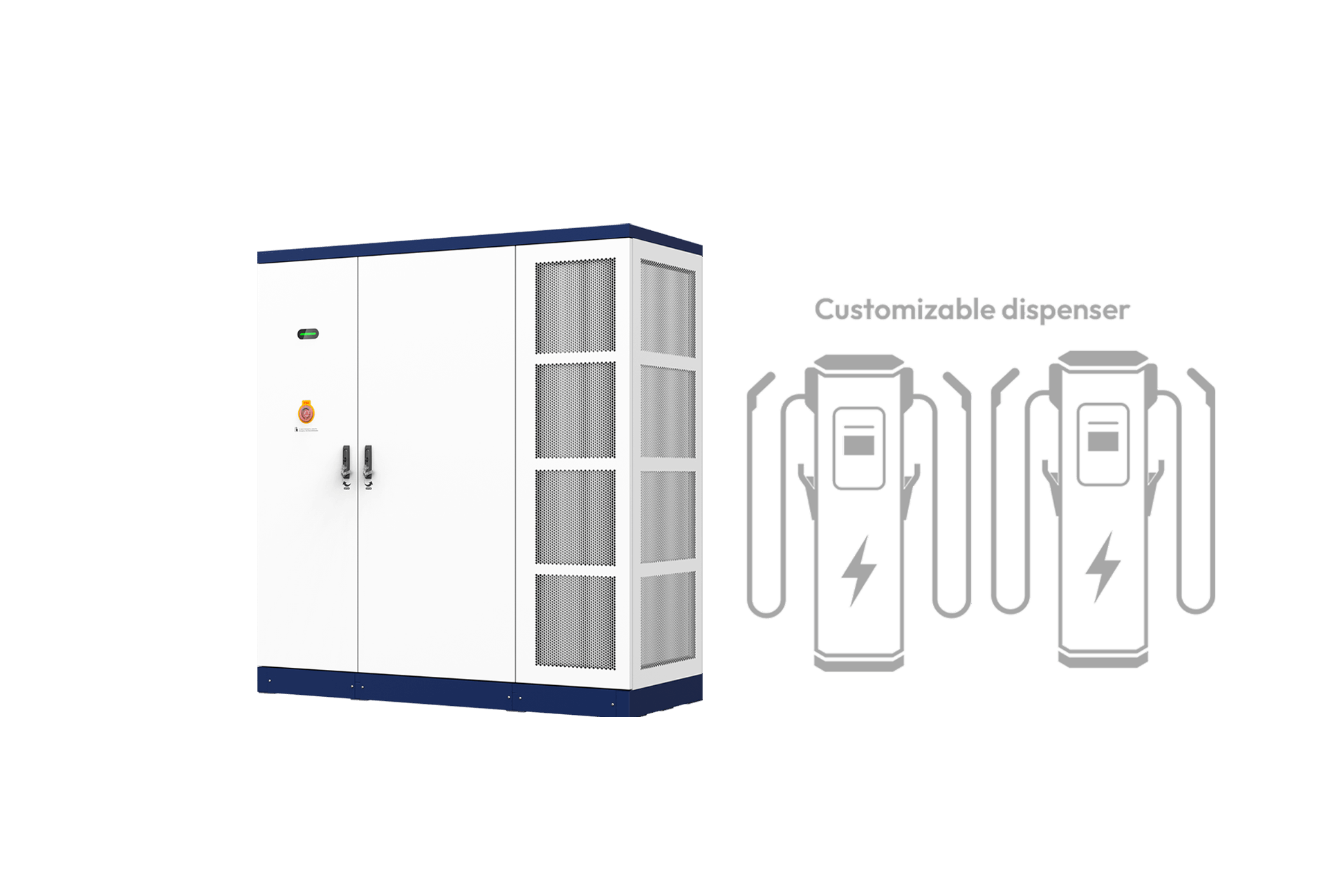
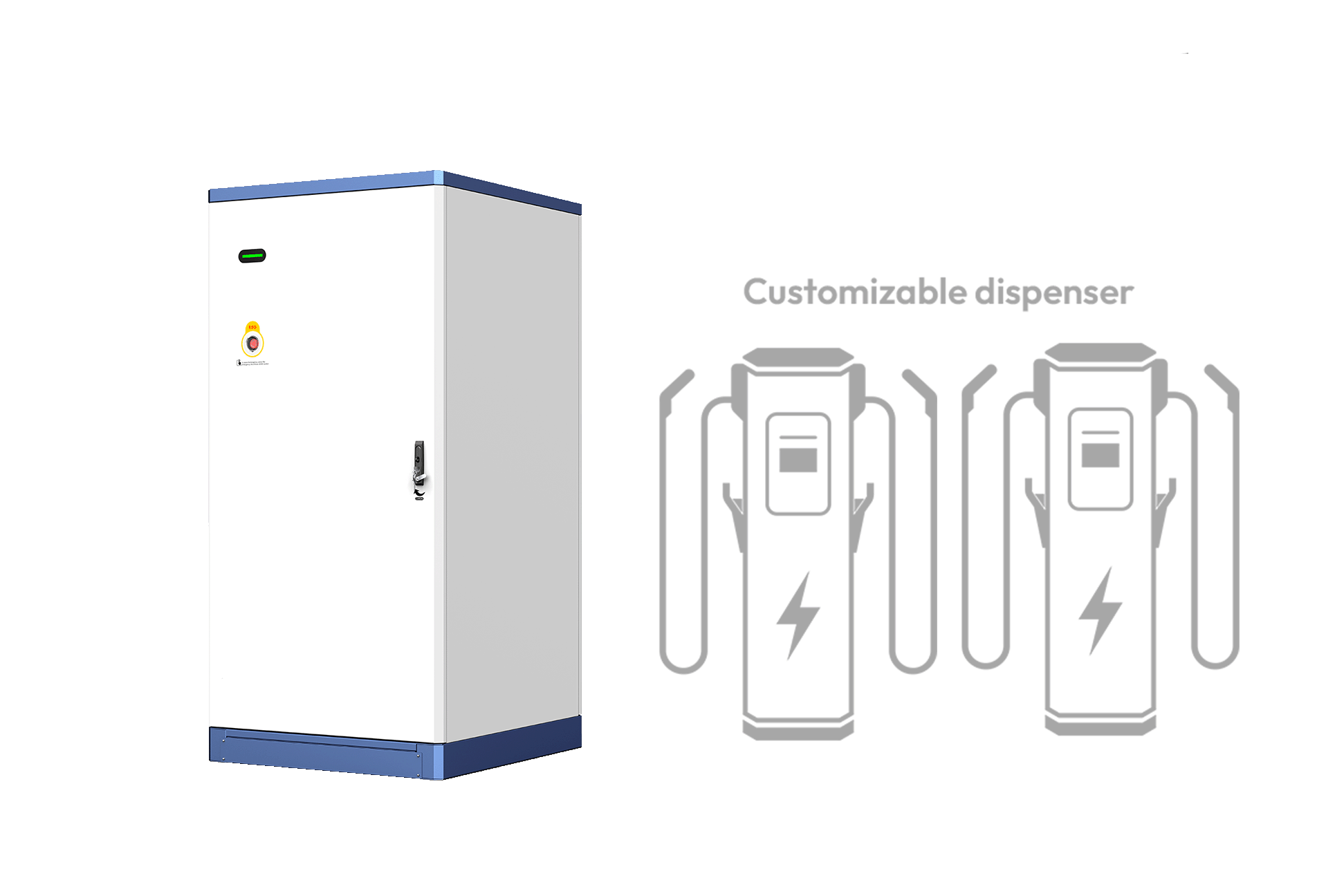
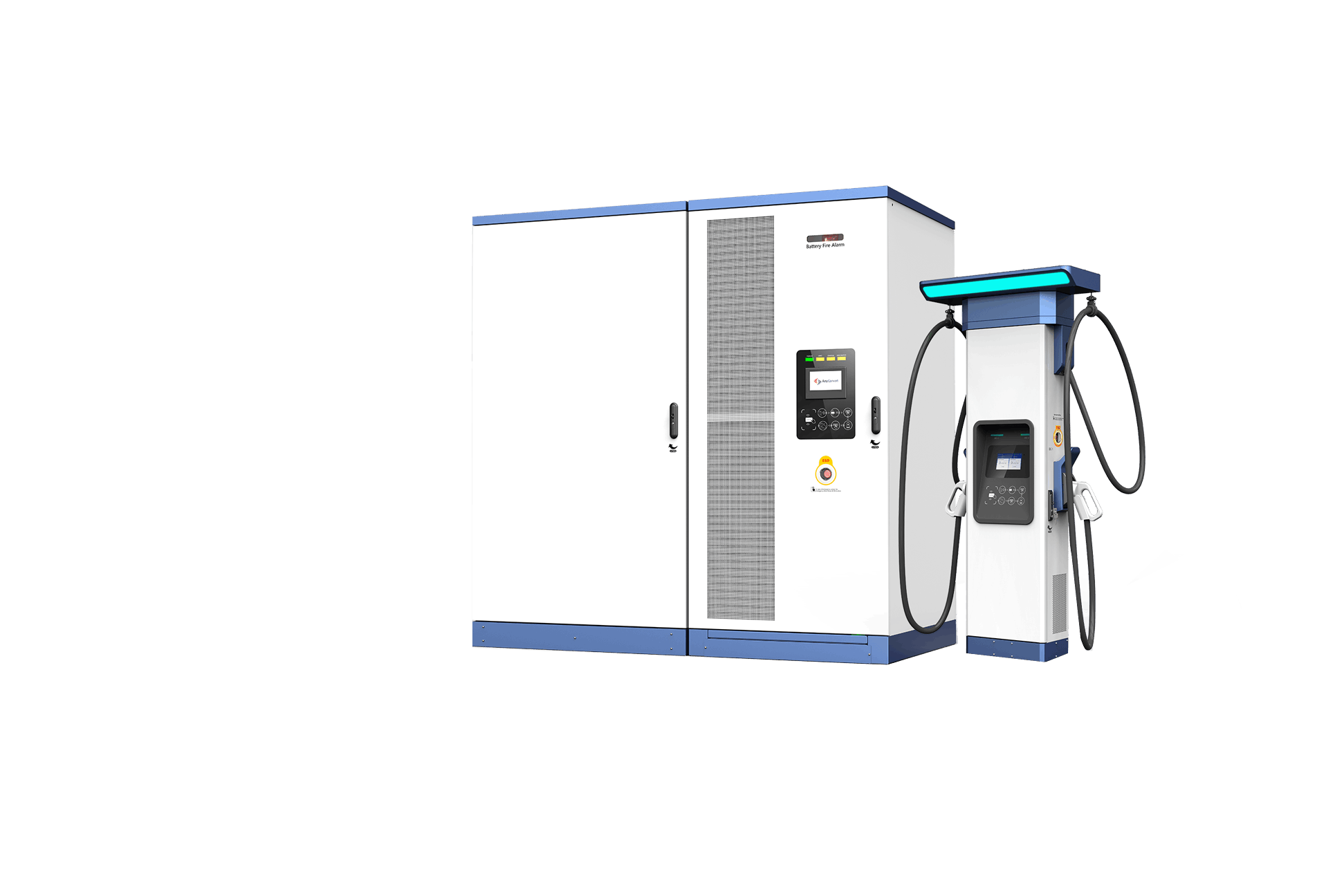
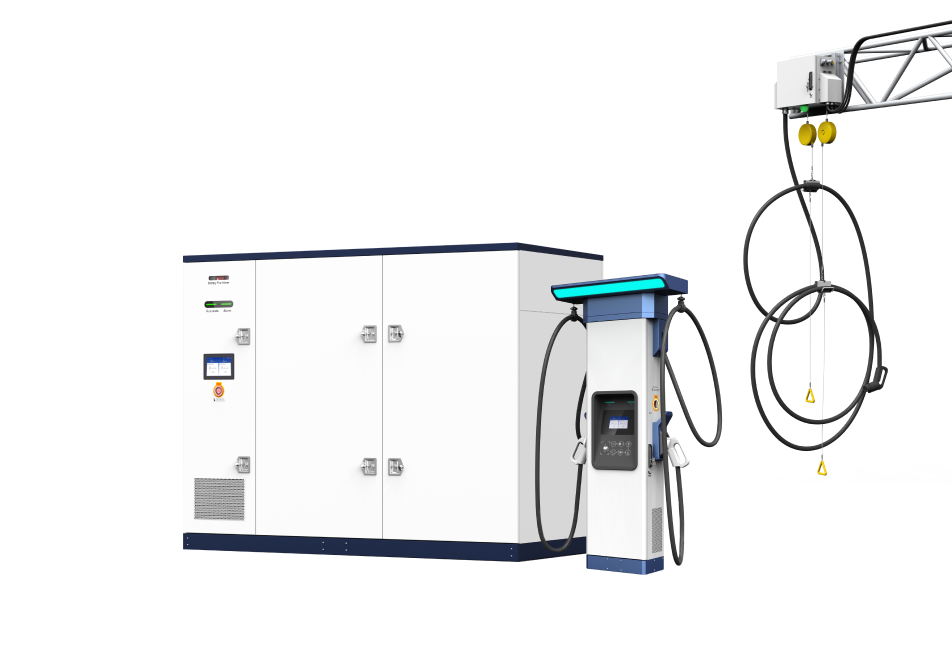
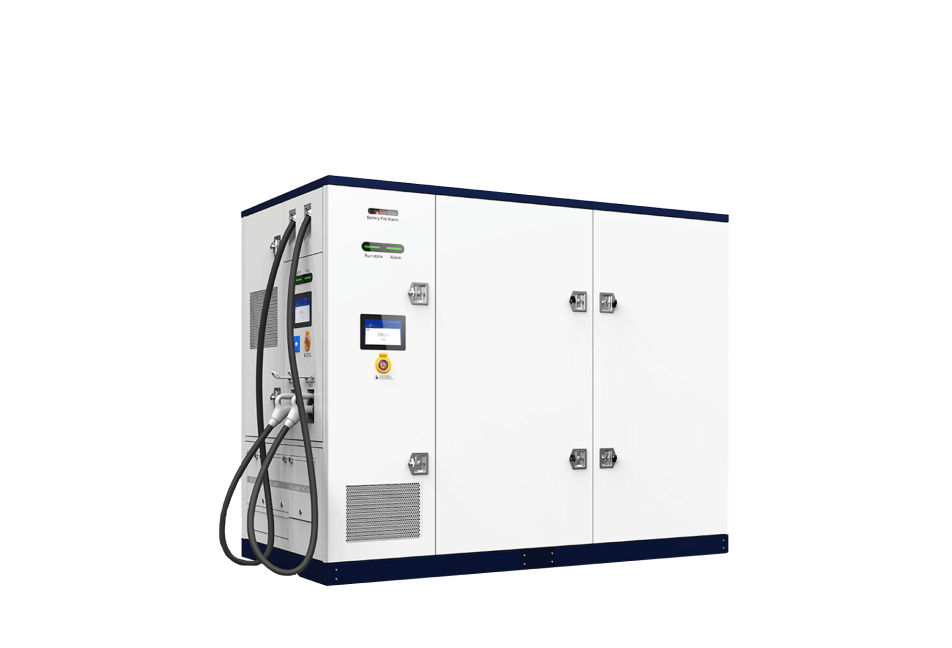
Facing these complex challenges, forward-thinking operators are now embracing integrated solutions that transform constraints into competitive advantages. The convergence of energy storage and high-power charging is becoming the industry’s next standard. Integrated “storage + HPC” solutions reduce dependency on grid upgrades, cut CAPEX, and minimize OPEX through peak load shifting and solar power integration—enabling fast, reliable charging even in low-grid-power regions.