

A Practical Guide to V2X Product Selection
December 12, 2025
The conversation around Vehicle-to-Grid (V2G) technology is shifting. As the market transitions from OEM-led pilots to early commercial deployment, the key question for operators is no longer “How does V2G work?” but “Which V2G best fit my commercial objectives?”
Automotive OEMs are expanding global V2X rollout and exploring bidirectional charging ecosystem, while regulators and grid operators are opening clearer pathways for distributed energy resources to participate in flexibility markets. For Charge Point Operators (CPOs), fleet operators, and energy retailers, selecting the right V2G hardware now requires careful alignment between technical feasibility, regulatory compatibility, and revenue potential. This article presents a structured, hardware-centric framework for selecting V2G hardware for different applications.
I. Understanding the V2G Ecosystem
Successful V2G deployment requires coordination across four core actors. Understanding these roles directly informs product compatibility and long-term viability.
1. Automotive OEMs — Gatekeepers of Technical Feasibility
OEMs define whether a vehicle can perform bidirectional charging, the supported interfaces, battery cycling constraints, and warranty conditions. Their BMS logic ultimately determines real export capability. Without OEM support, V2G cannot scale at fleet level.
2. CPOs / Charging Hardware Manufacturers — The Energy Interface
Charging hardware manufacturers are the technology provider of V2X-capable equipment that conducts charge/discharge, safety protection and communication between the EV and the grid.
CPOs deploy, operate and maintain charging infrastructure across sites via their platforms. Their role is to bridge V2X technologies with the market and V2X vehicles, ensuring V2X hardware respond reliably to market or grid signals.
3. Utilities & Grid Operators — Market Makers and Off-Takers
Utilities and grid operators form the regulatory and commercial backbone of the V2X ecosystem. They define how, when, and for what value EV batteries can interact with the power system. They determine how V2G value flows to end users by shaping the financial incentives and retail billing mechanisms.
Distribution system operators (DSOs) approve V2G charger connection and V2G flexibility to relieve local grid stress. They enable EVs to function as distributed energy resources (DERs), and ensure safe, stable, and efficient operation of the local distribution network.
4. EV Owners and Fleet Operators — Resource Providers
They provide the battery asset and must be assured: predictable mobility readiness, transparent earnings and minimal impact on battery life.
Their willingness to participate affects enrollment rates and program scalability.
II. Scenario-Driven Hardware Selection
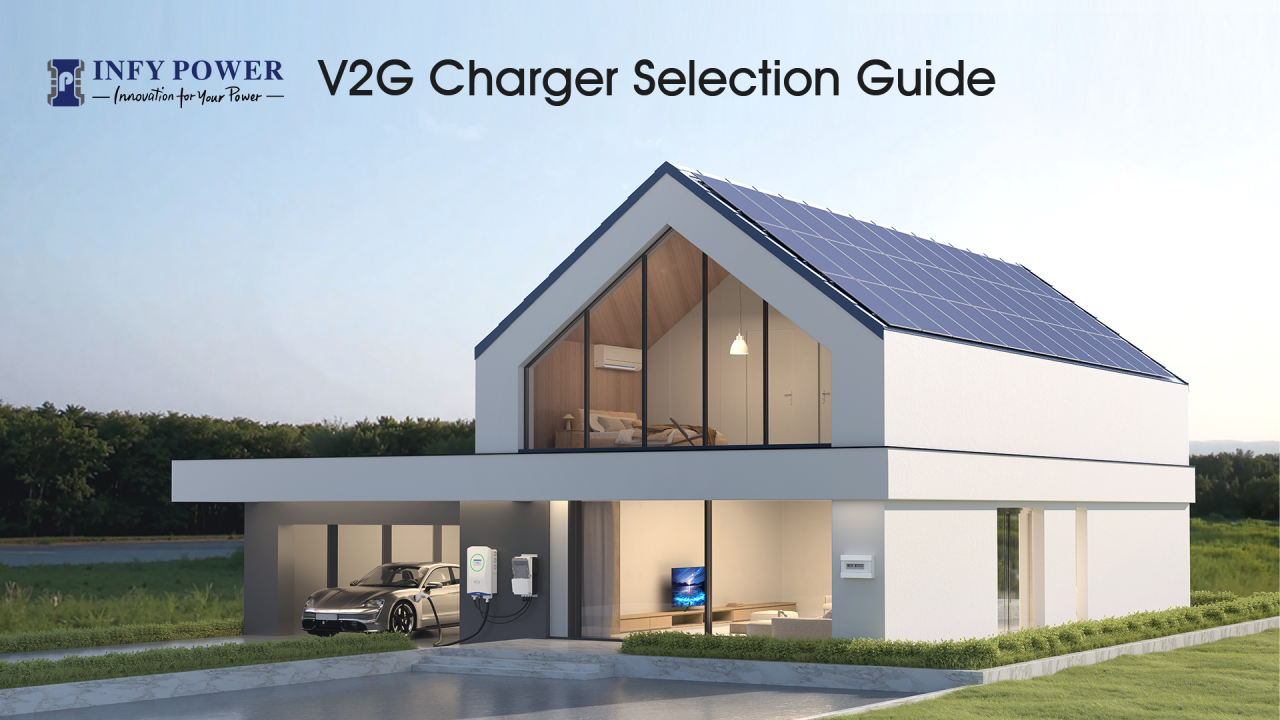
1. Residential V2G / V2H
Primary value: backup power, tariff arbitrage, solar self-consumption.
Hardware selection priorities:
· 7–11 kW low-power wallbox
· Low standby consumption and silent operation
· Simple user interface and reliable backup mode
· Ability to coordinate with residential PV/BESS
This segment prioritizes convenience and reliability over market participation.
2. Workplace & Depot Fleets
Primary value: demand-charge reduction, tariff arbitrage, local flexibility services.
Hardware selection priorities:
· Mid-power 22–60 kW V2G DC chargers
· Robust thermal and electrical design for continuous bidirectional operation
· interoperability with EMS, fleet platforms, and aggregators
· Support for scheduled, constraint-bound dispatch
This is currently one of the strongest business cases, especially for last-mile, municipal, and corporate fleets with predictable dwell times.
3. Public Fleet Hubs & High-Throughput Sites
Primary value: Microgrid operation, peak-shaving in constrained networks.
Hardware selection priorities:
· ≥60 kW modular V2G DC chargers
· Multi-port coordination and load balancing
· Fast response capability for FRR/FCR markets
· Integration with onsite ESS for hybrid flexibility
This segment demands a mature market and close coordination between hardware, software and platforms.
Infypower’s Answer: V2G DC Technologies
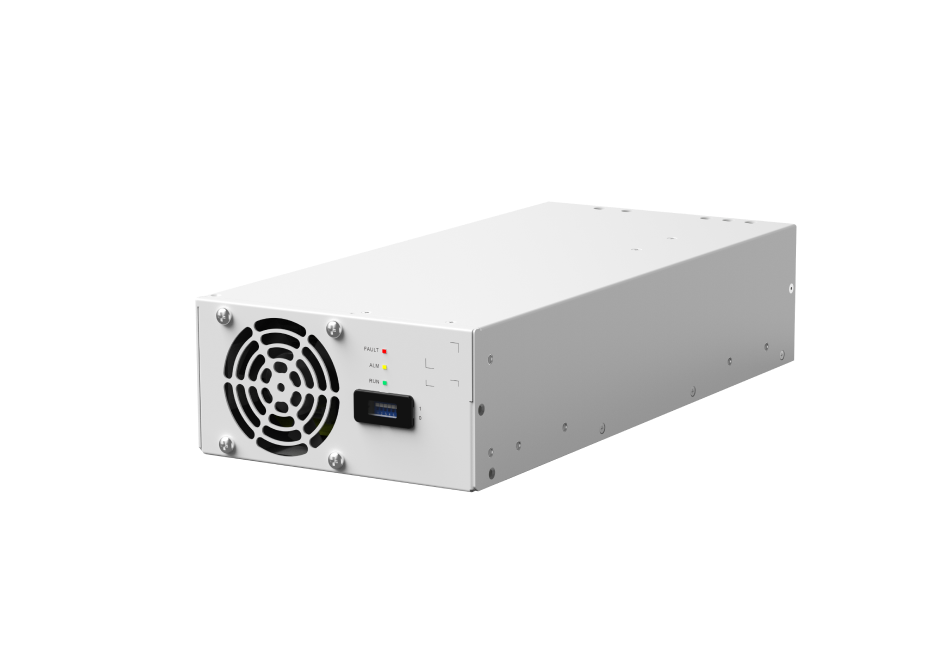
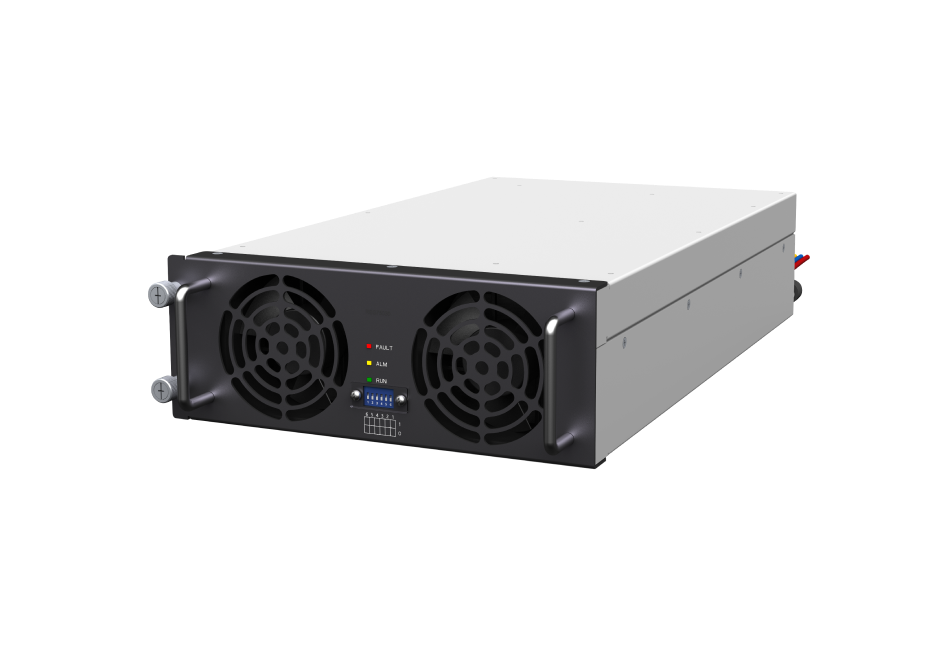
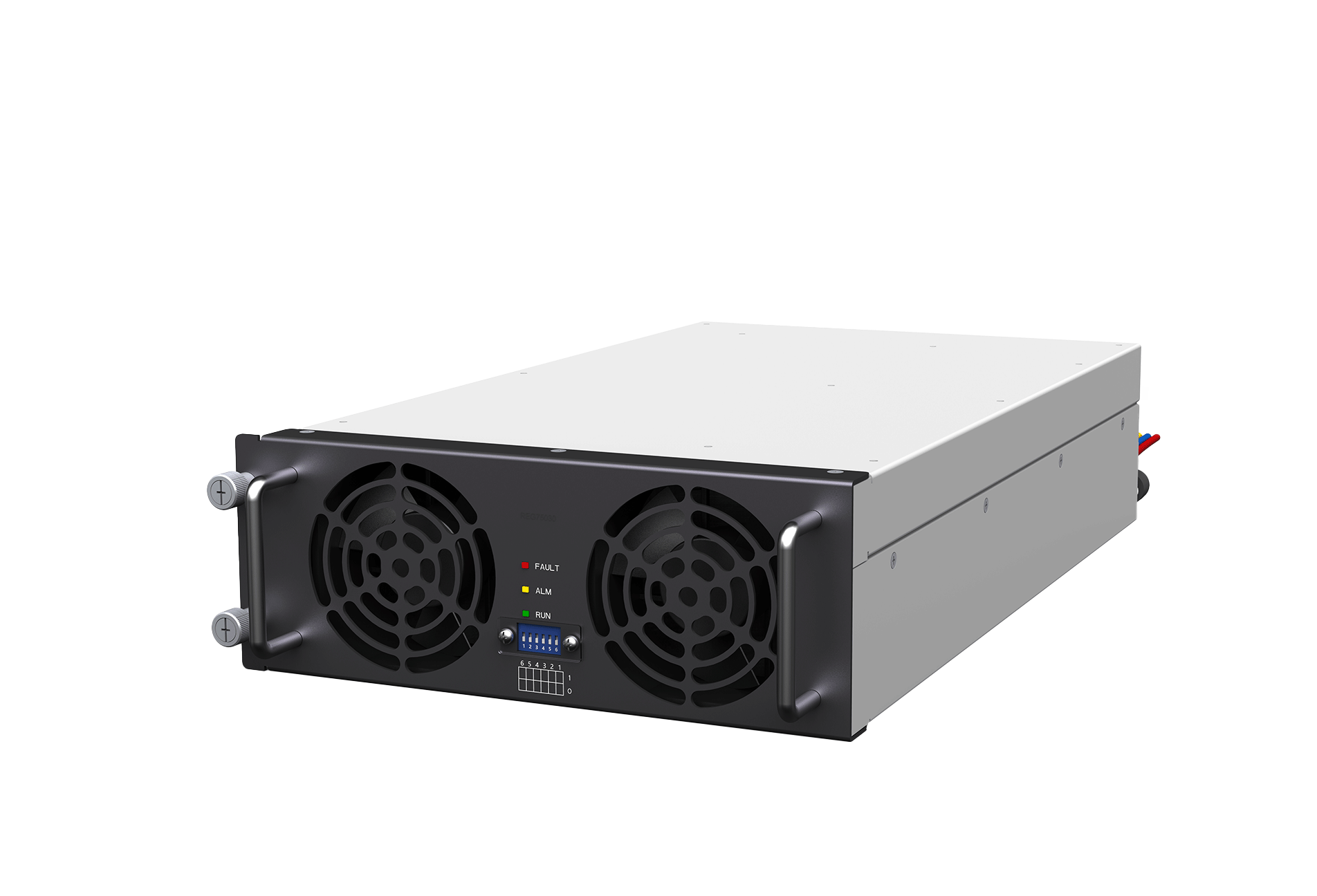
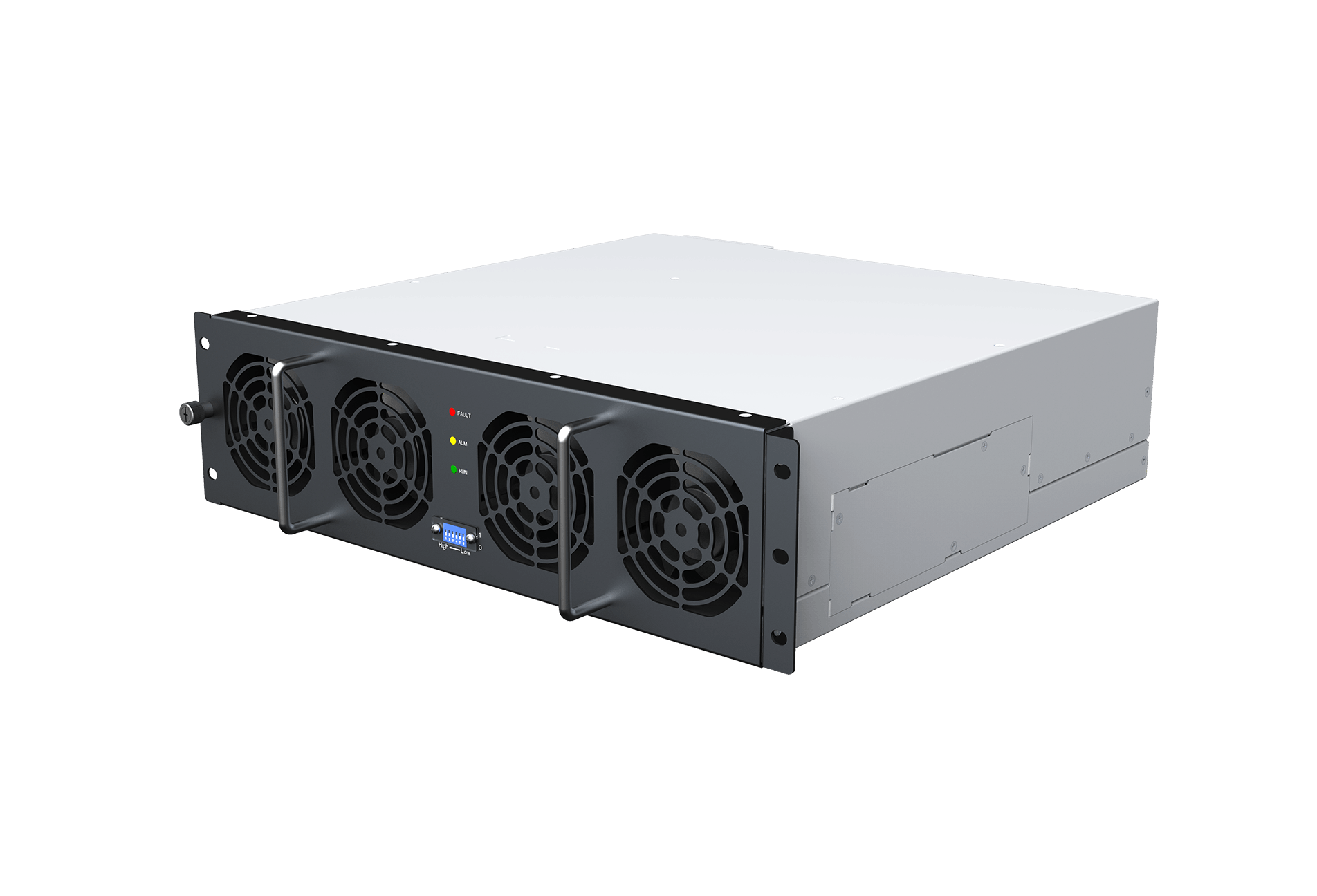
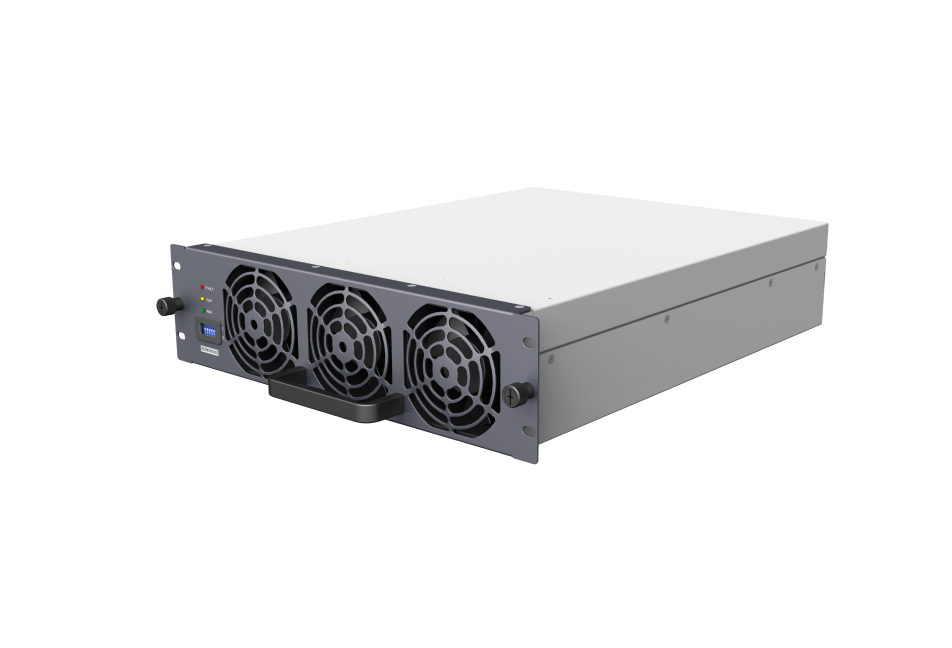
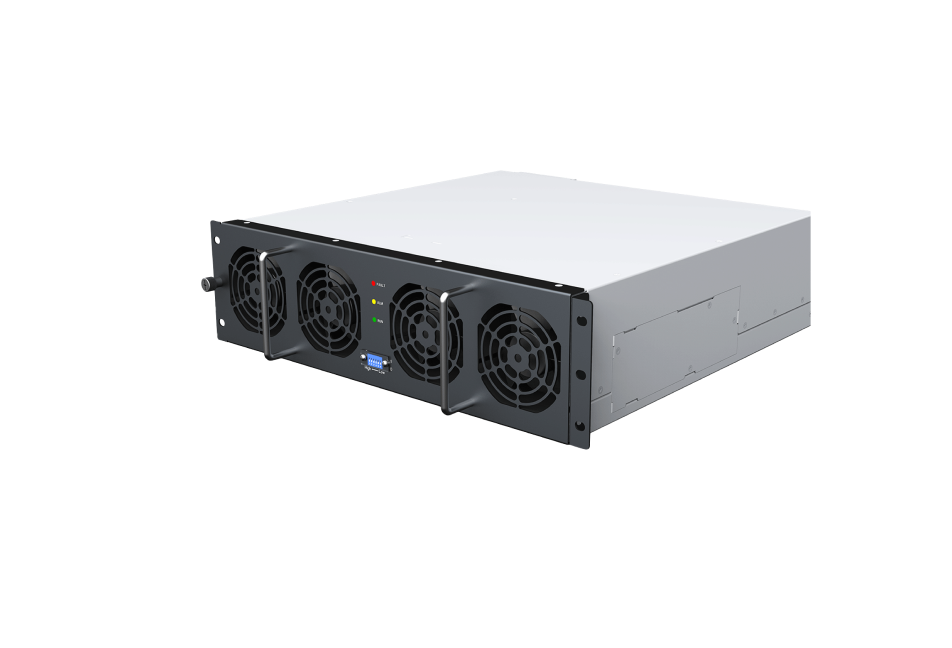
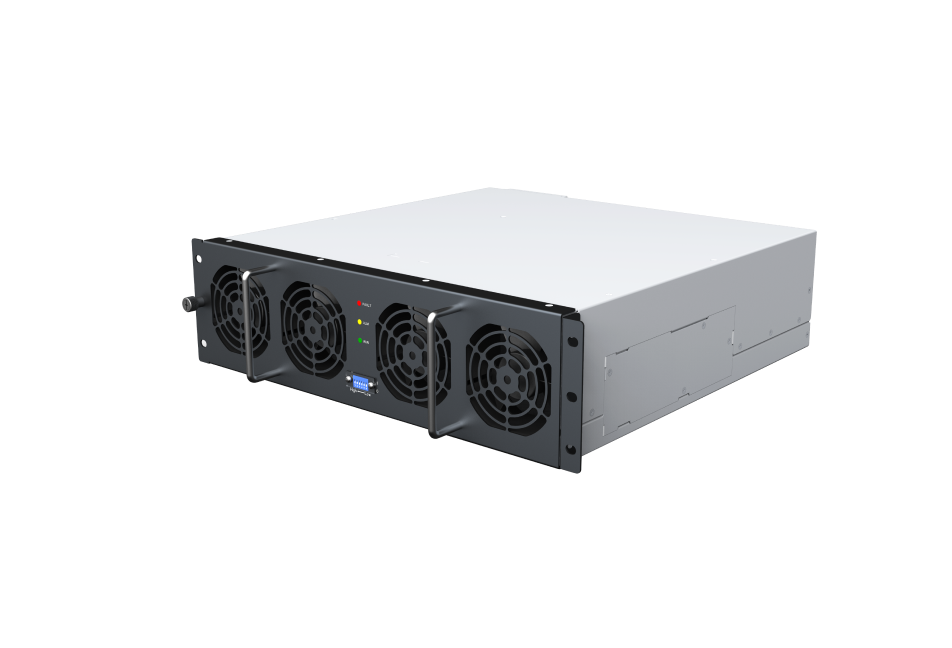
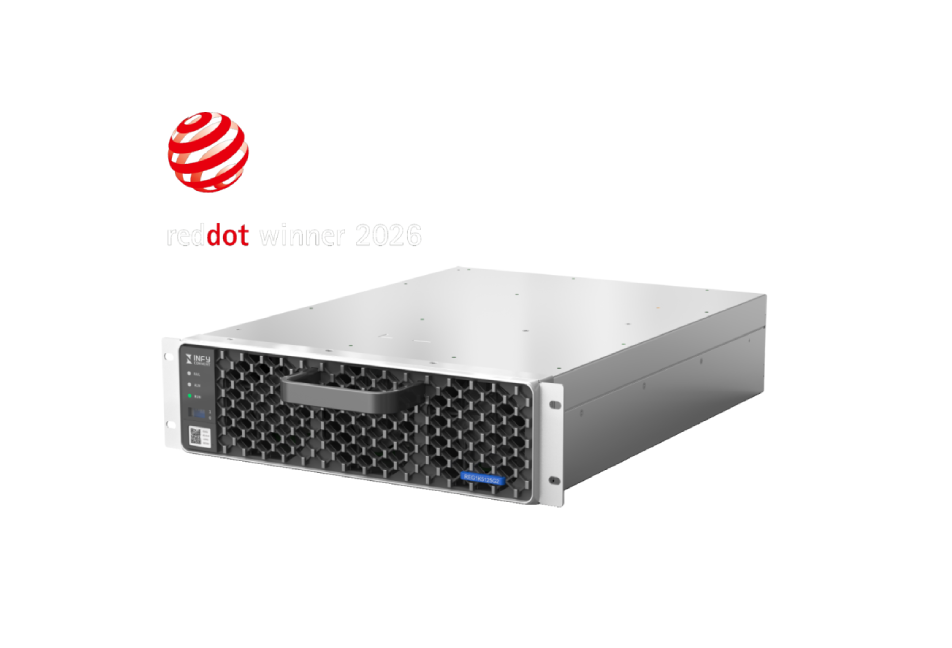
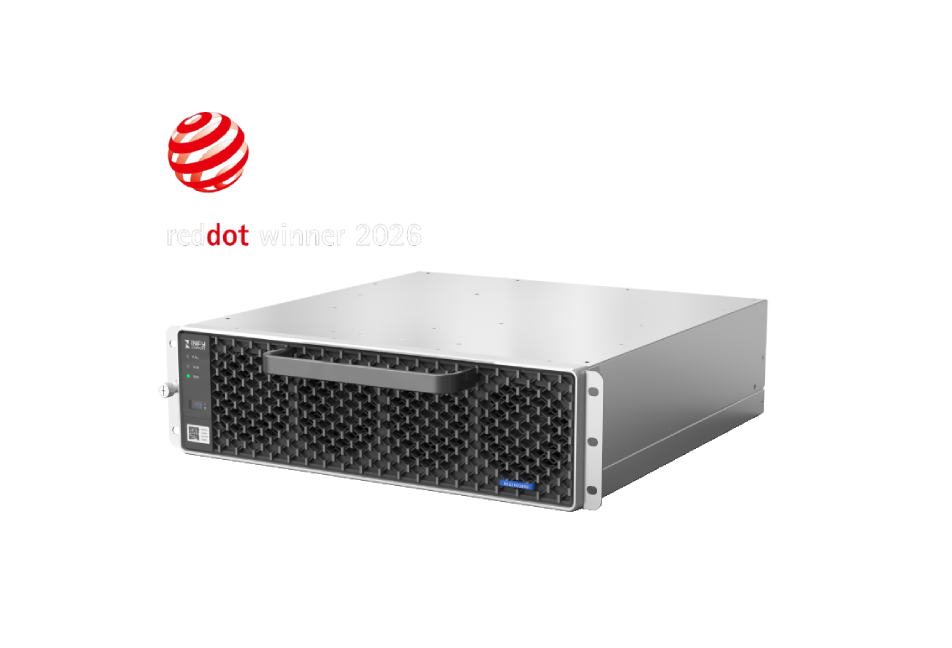
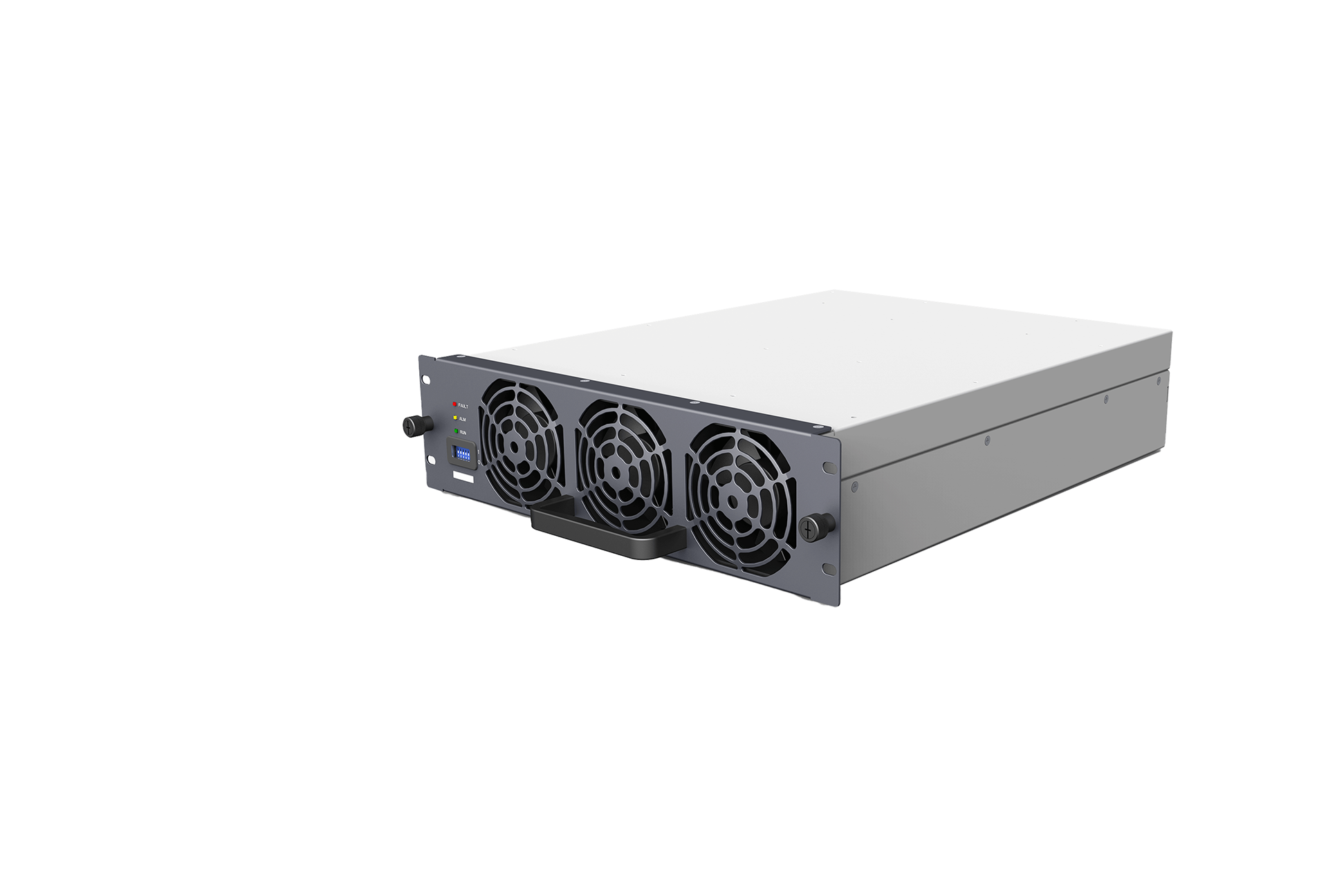
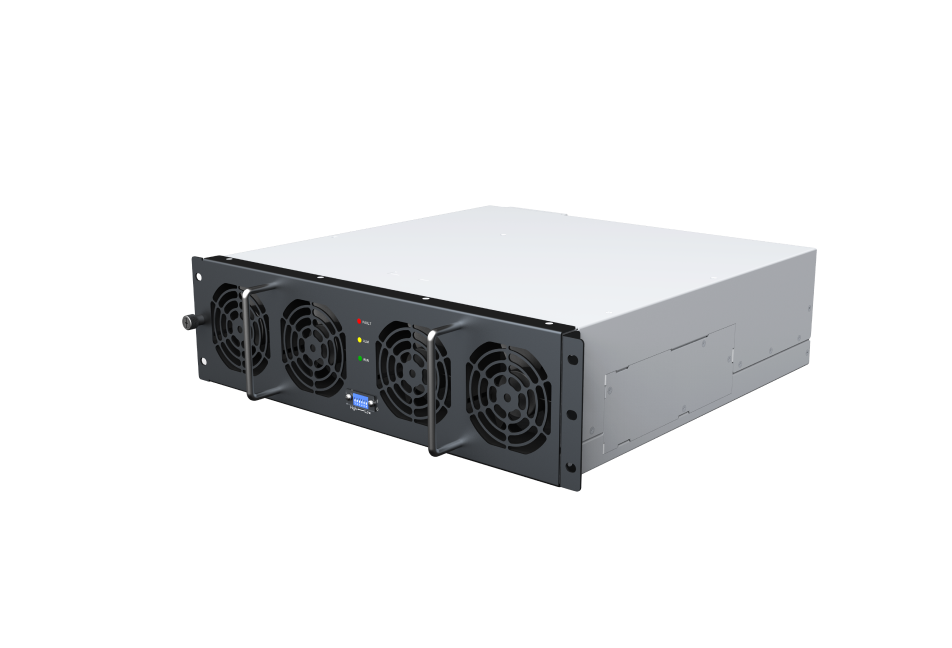
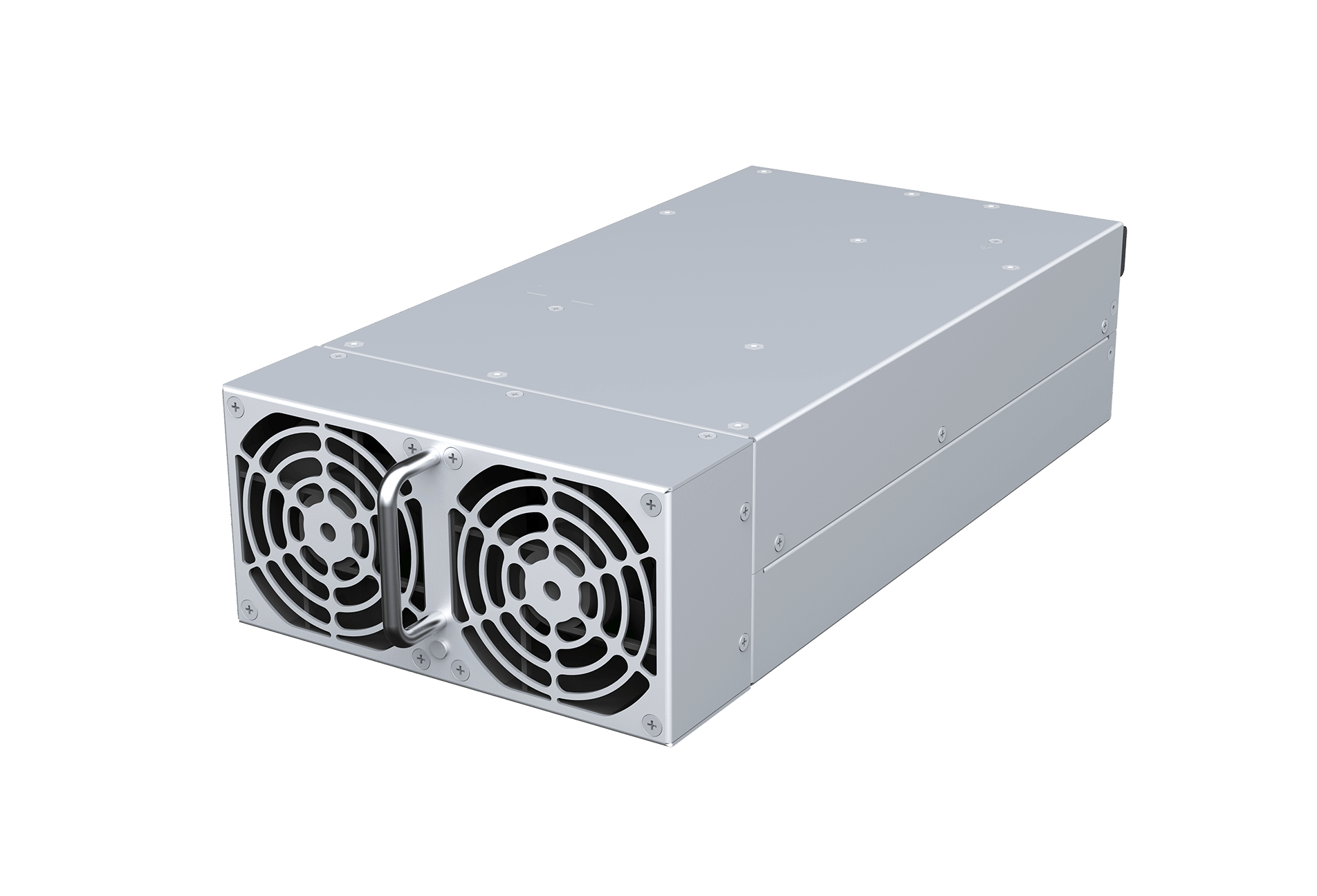
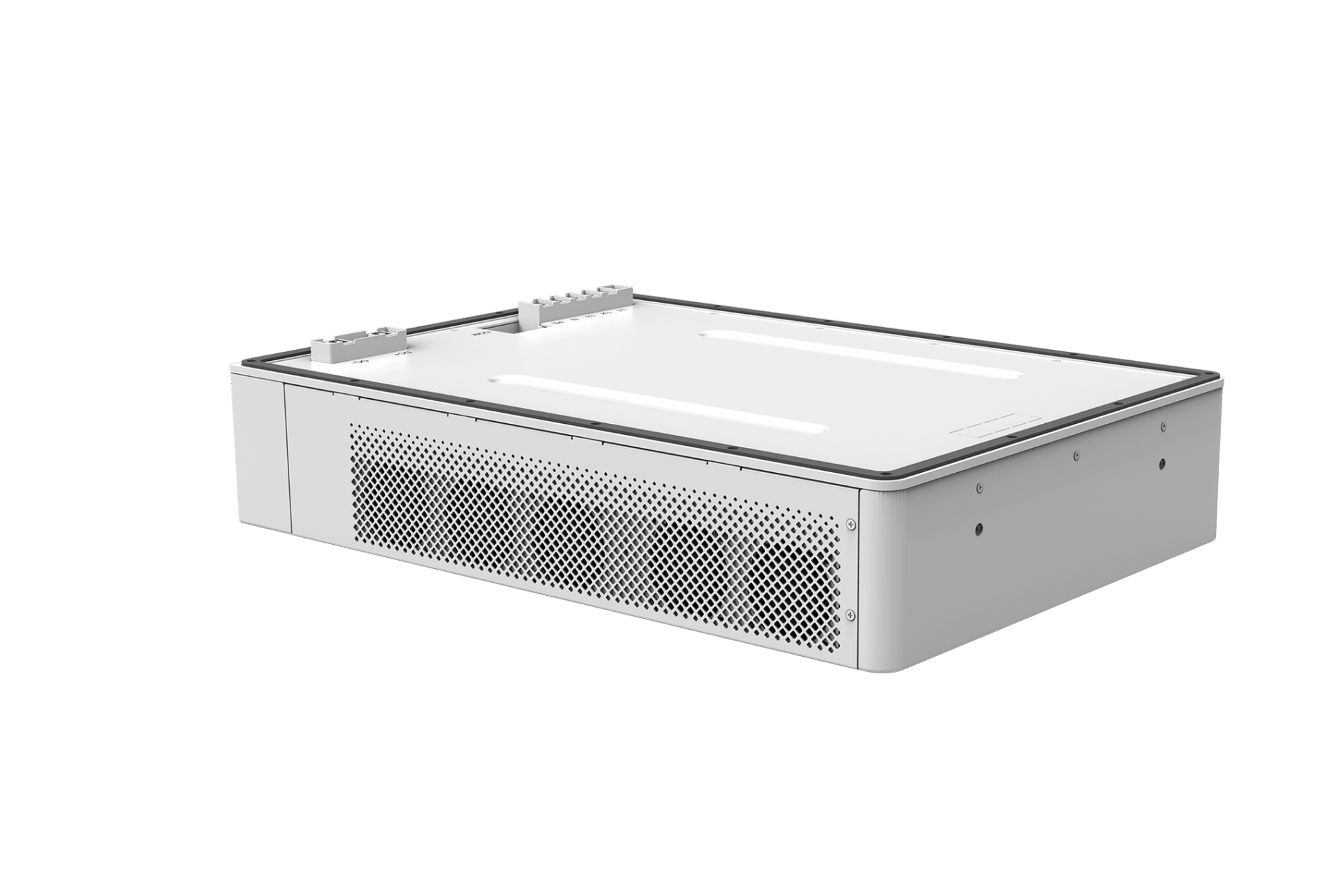
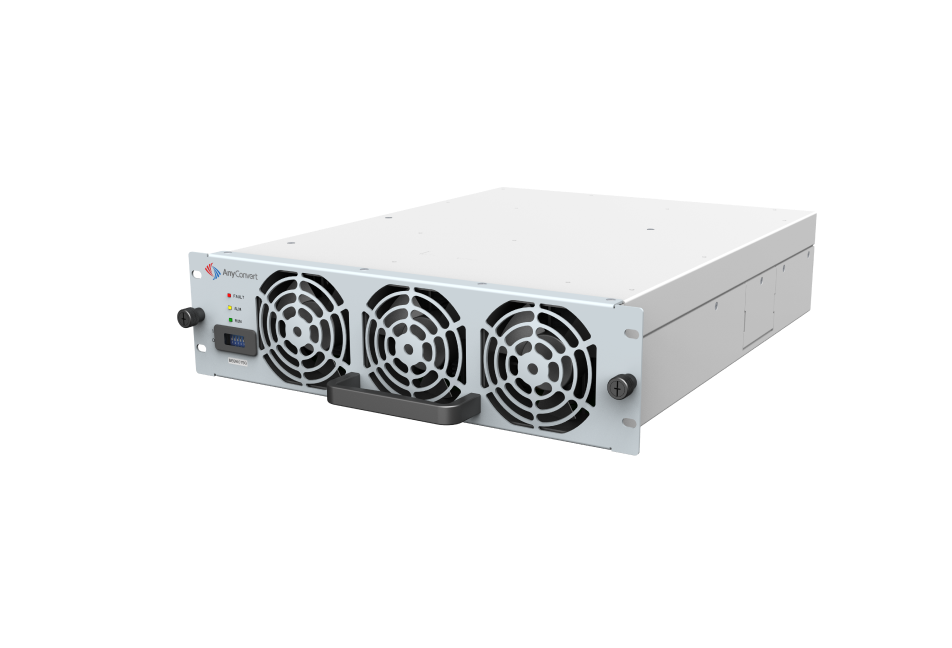
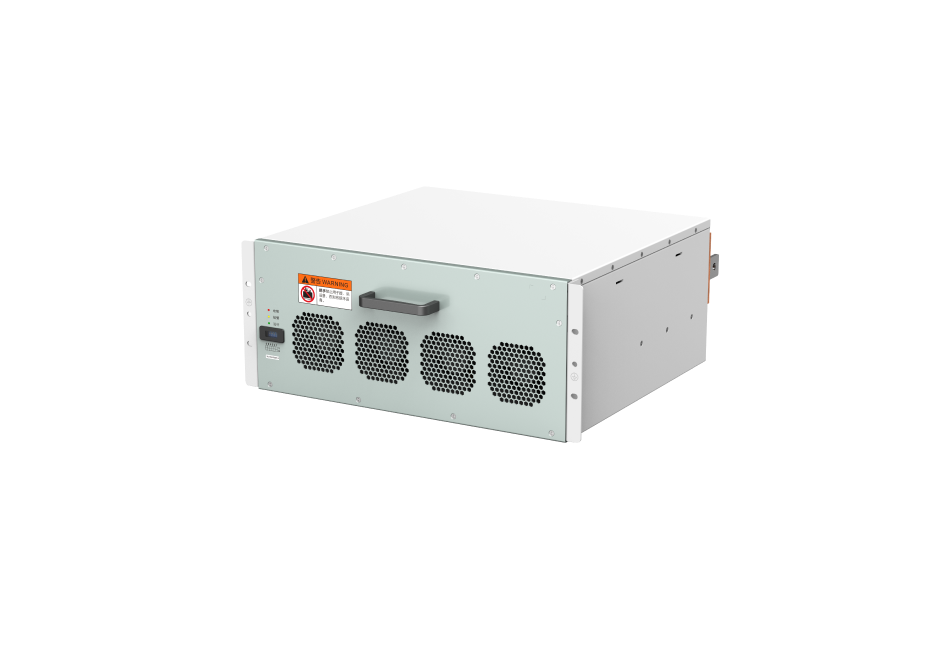
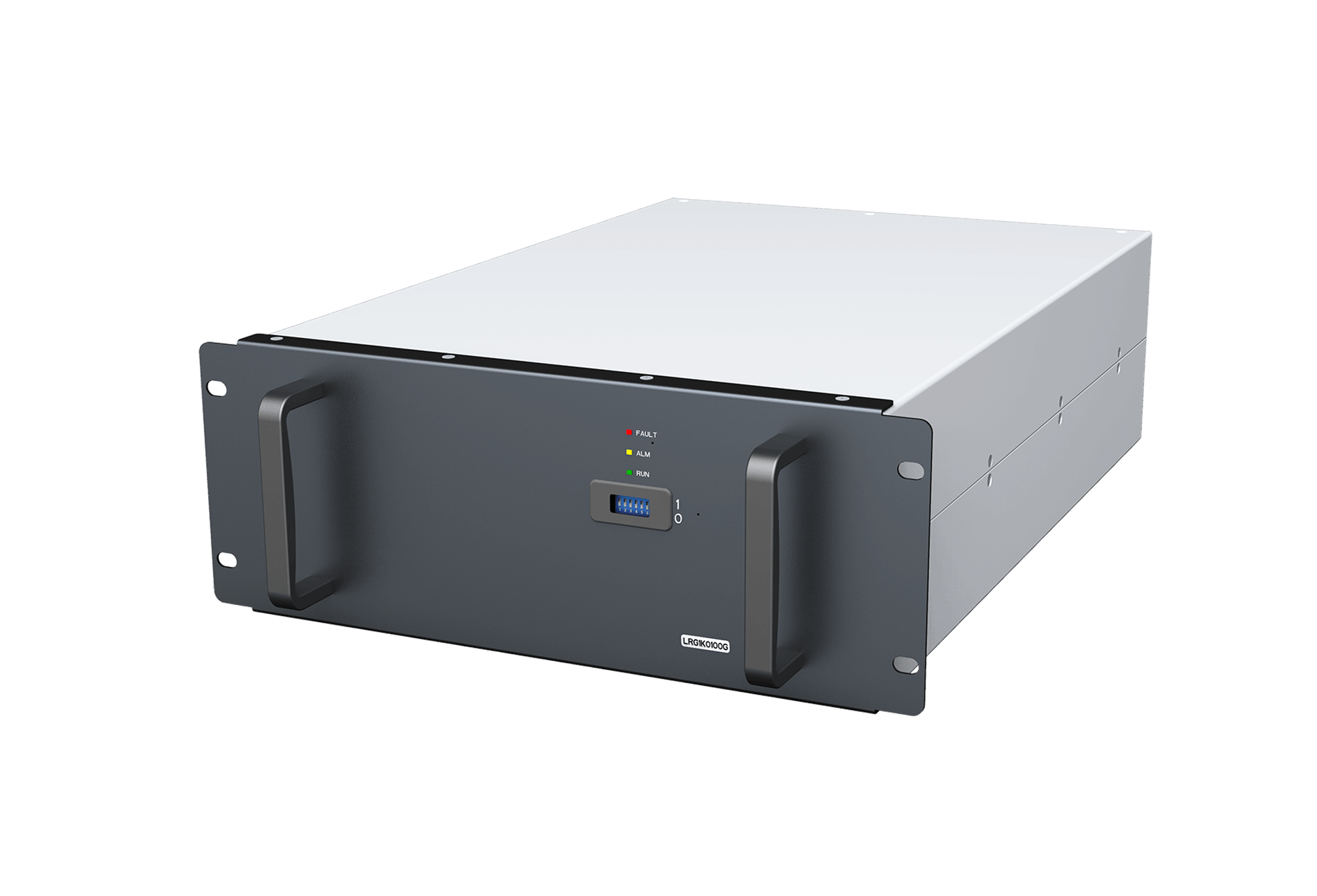
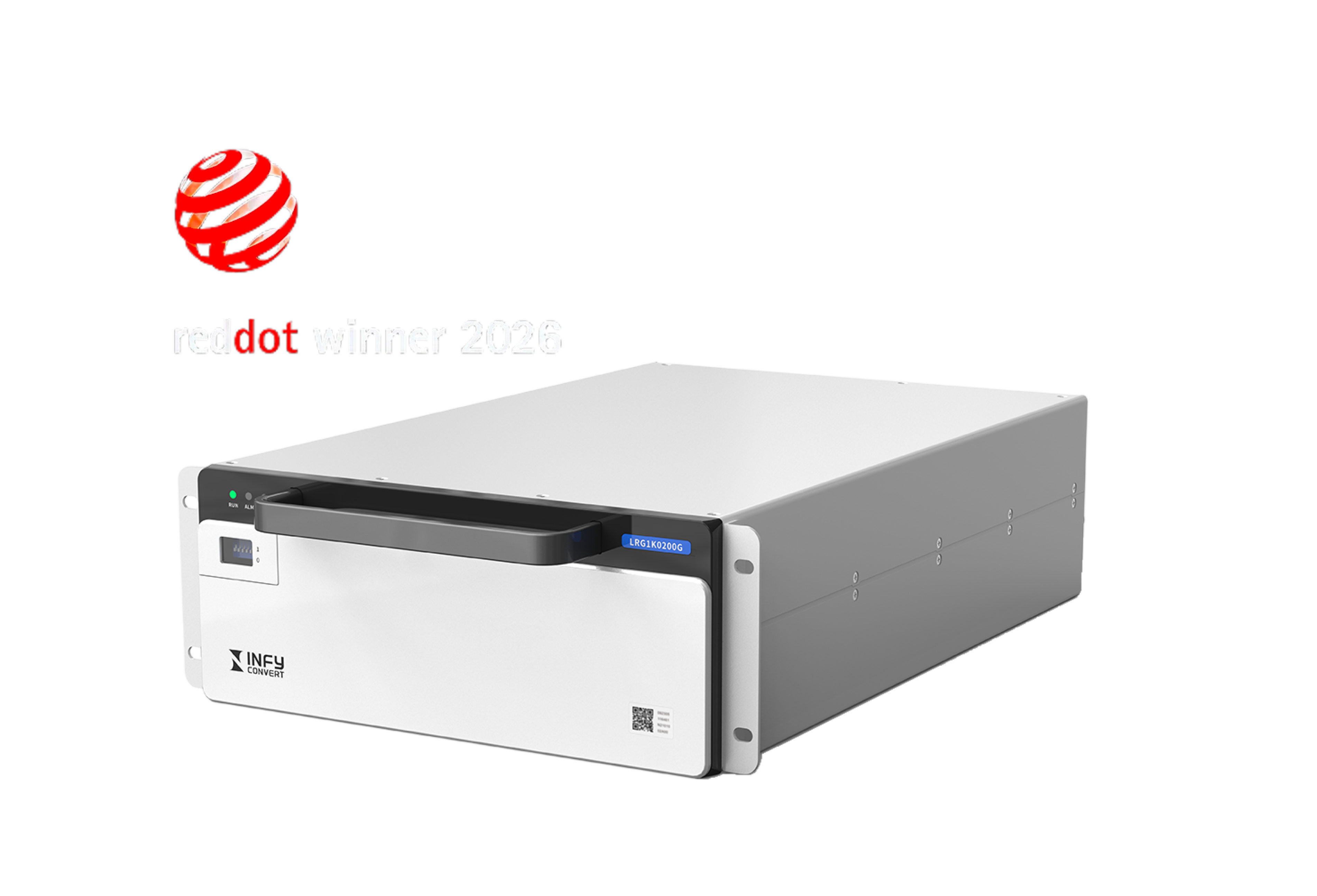
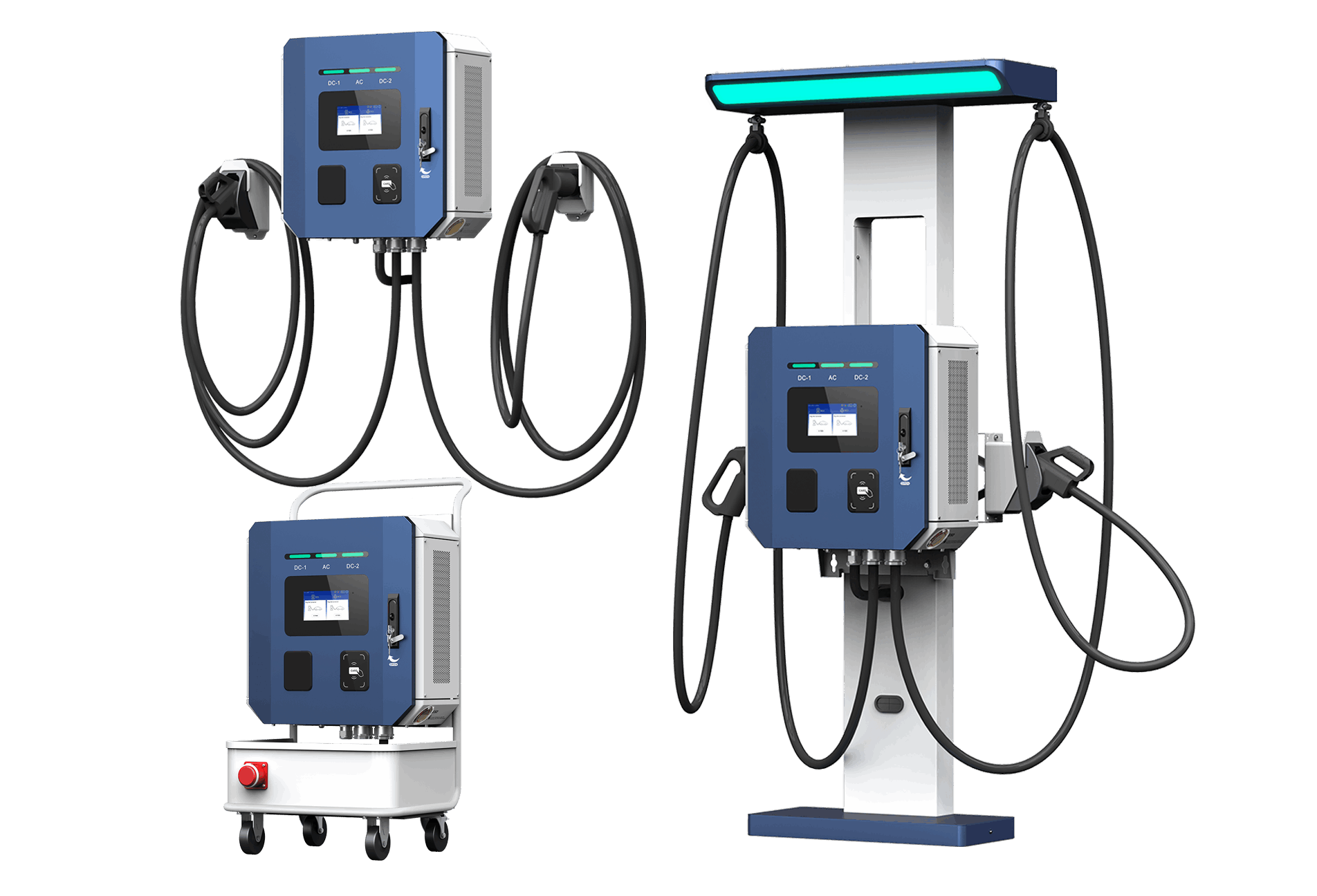
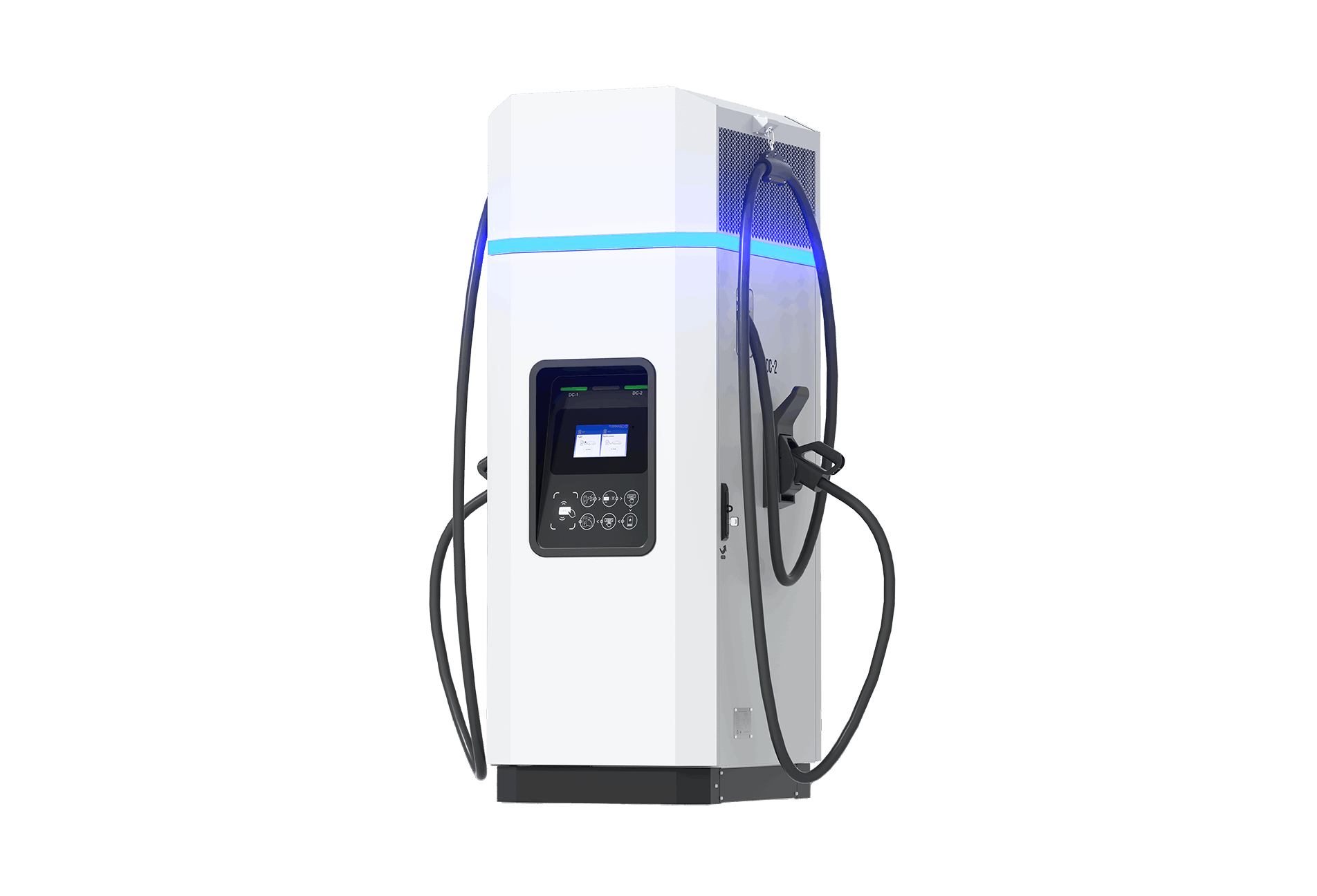
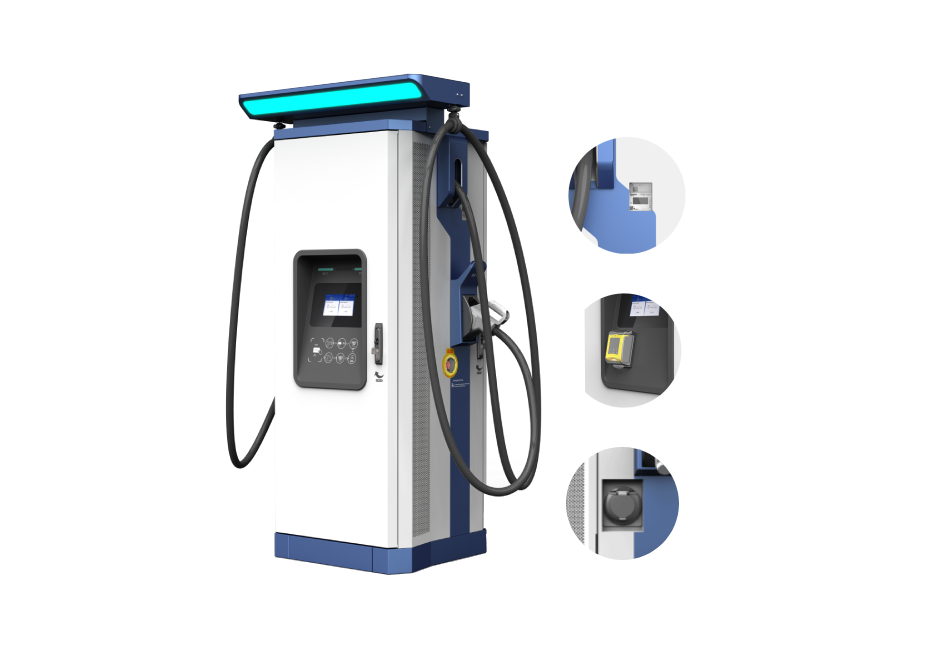
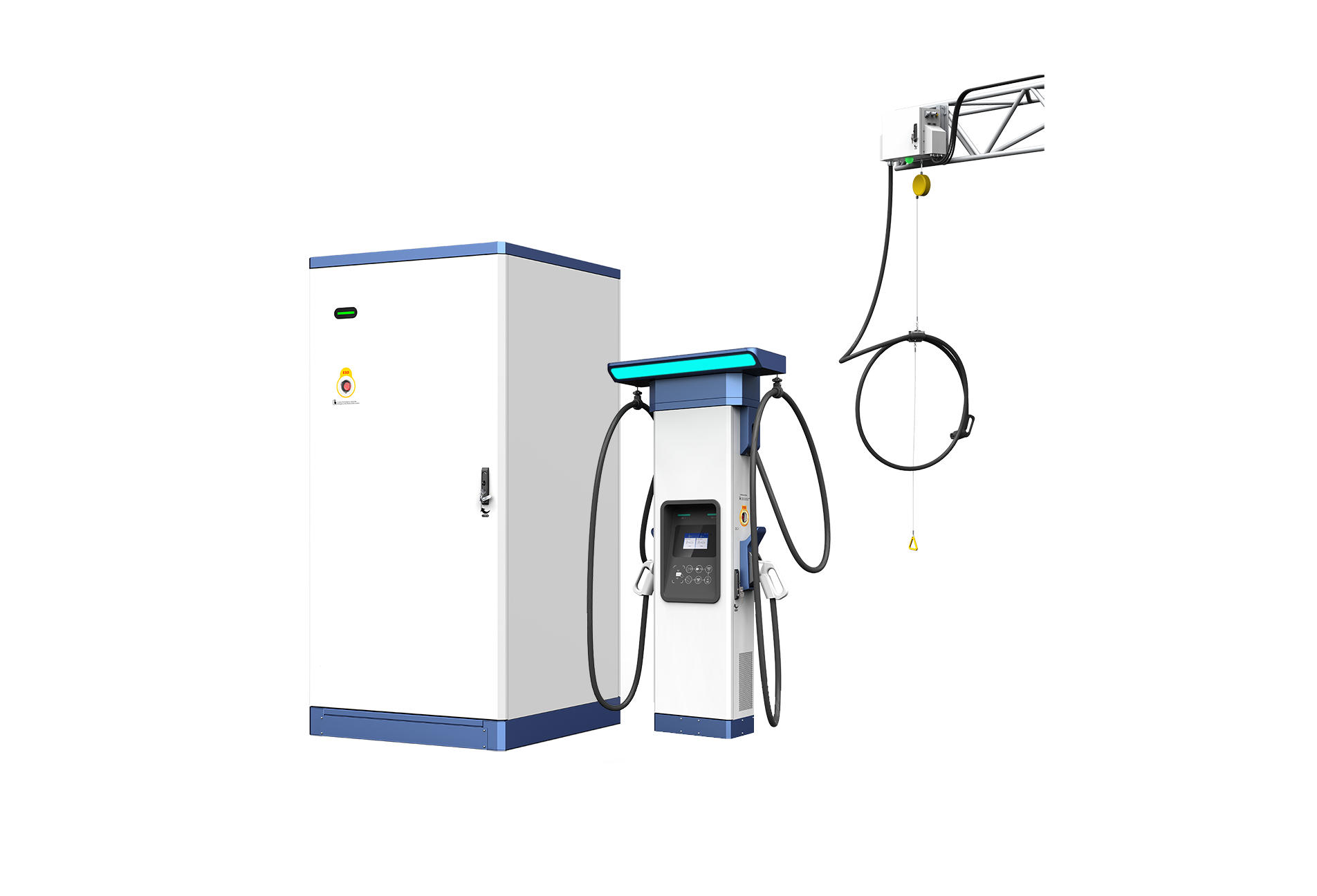
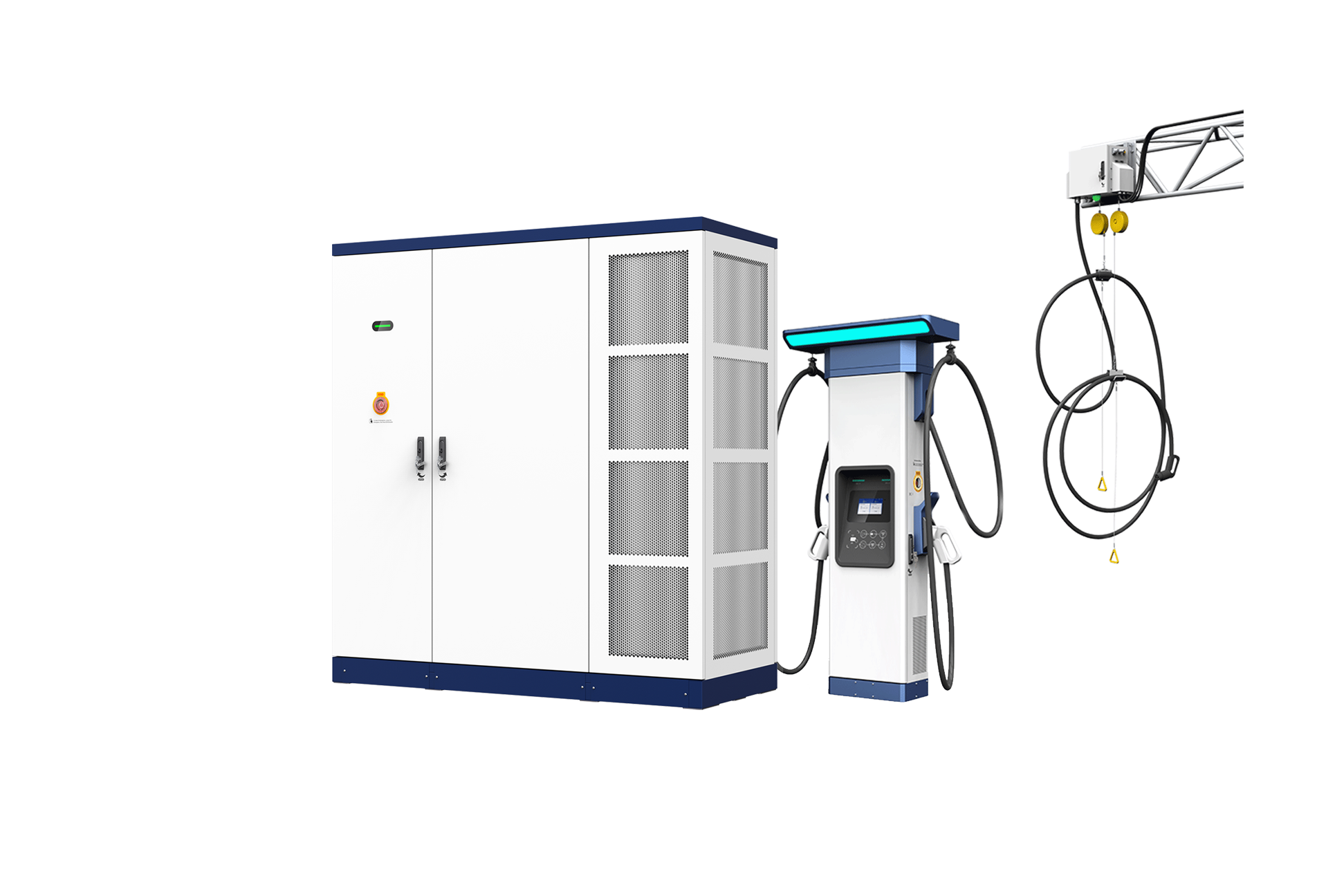
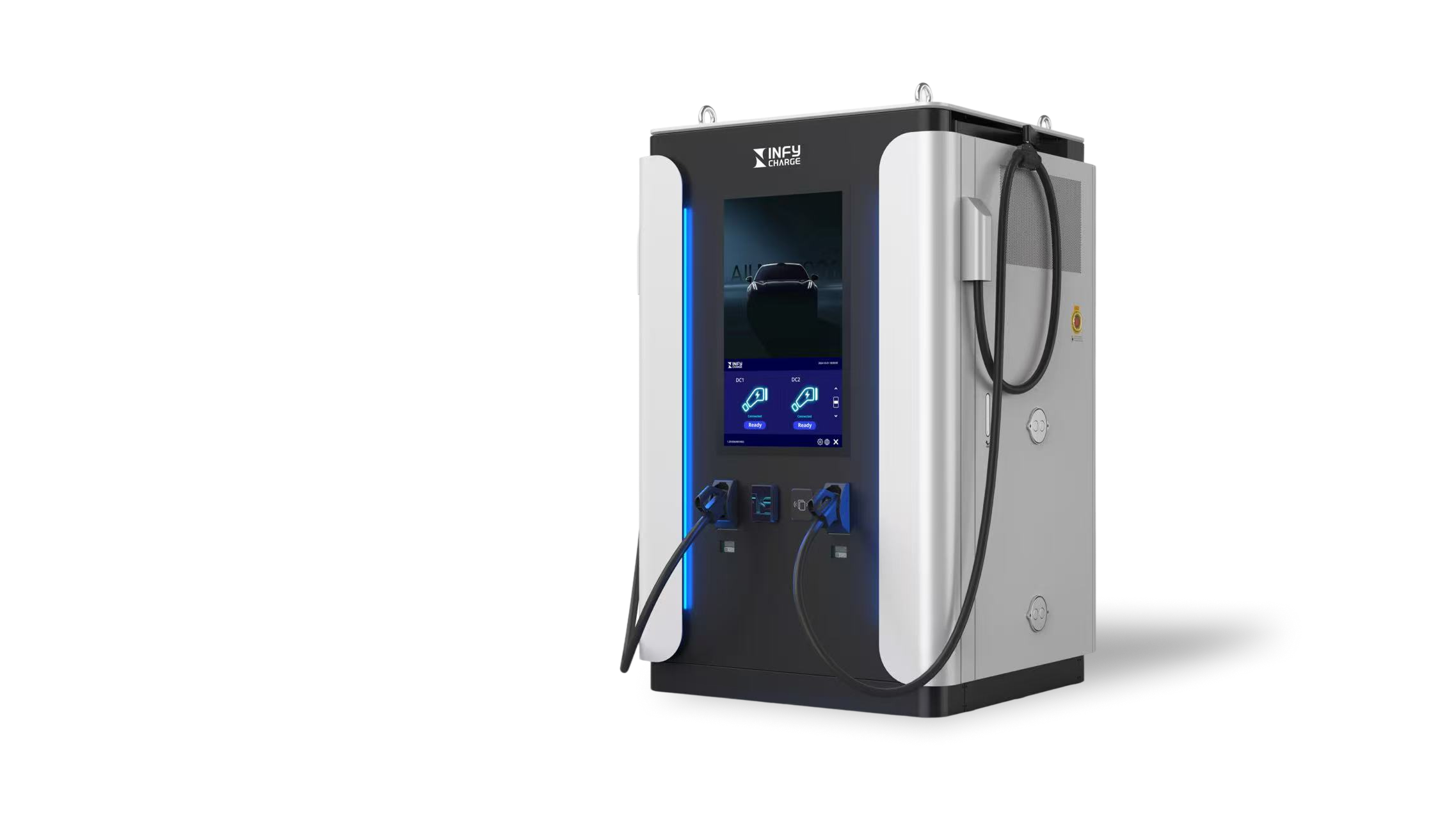
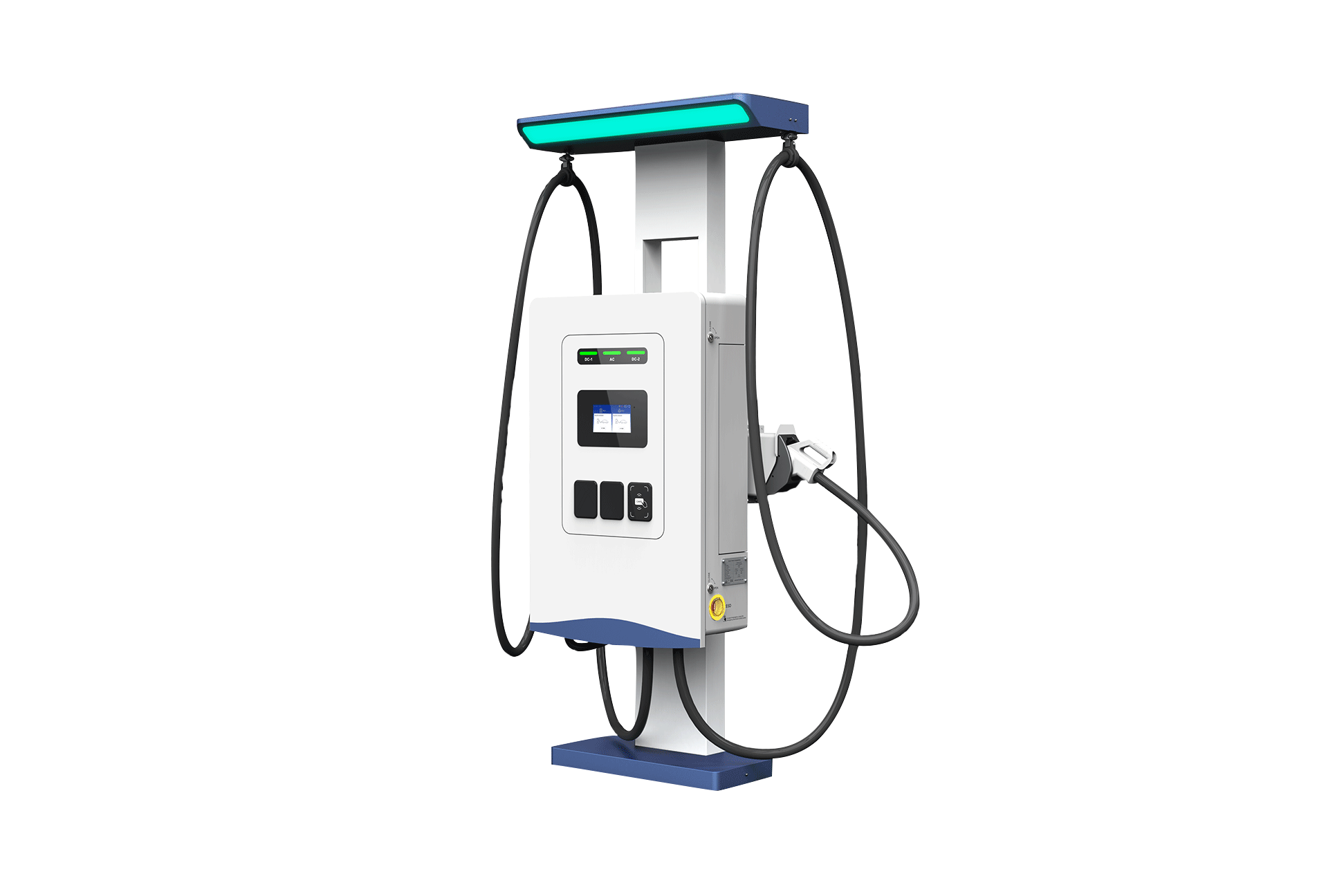
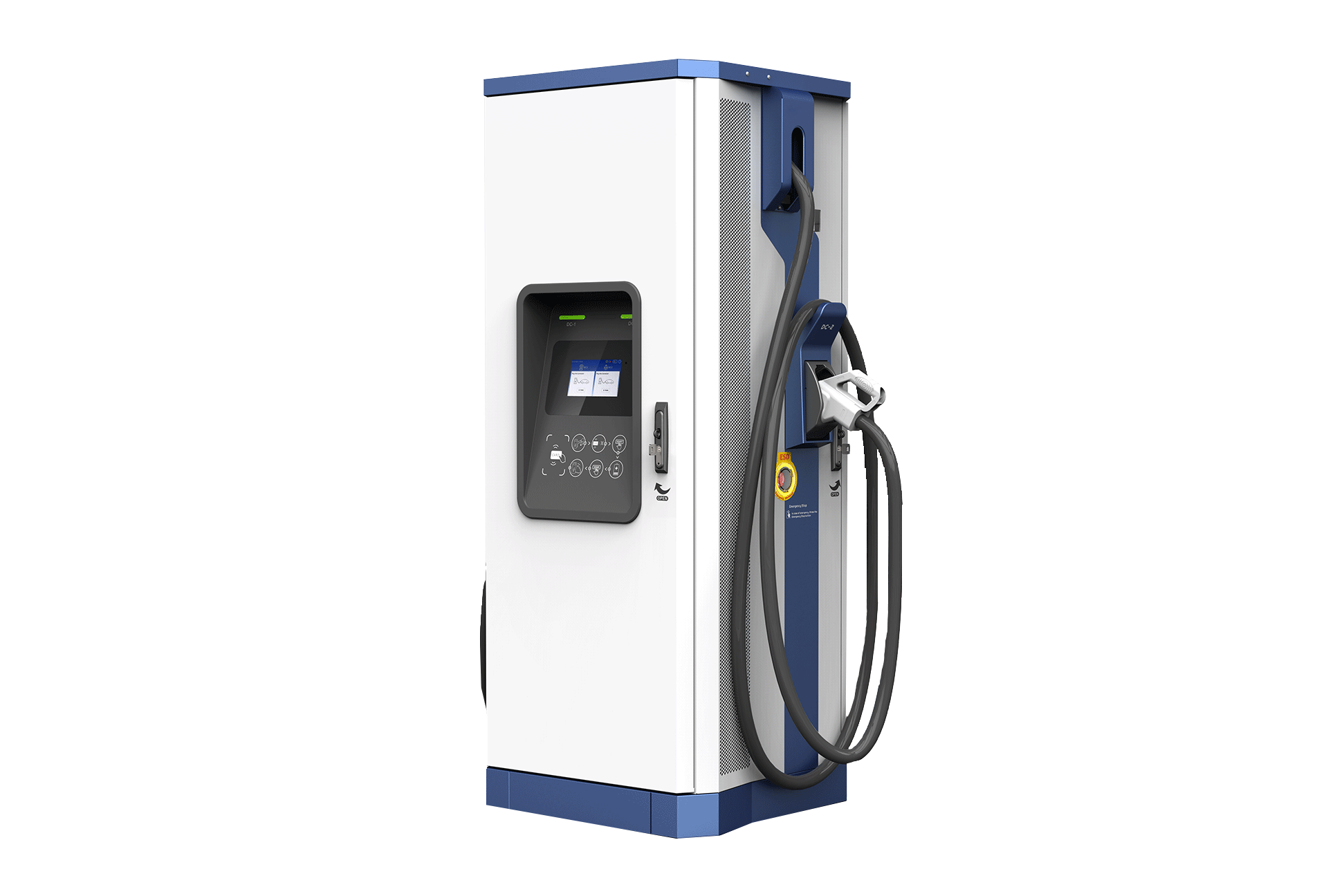
With power electronics in our DNA, Infypower focuses on DC V2G technologies to ensure higher reliability, stronger grid response, and broader compatibility. Our portfolio includes:
Residential:
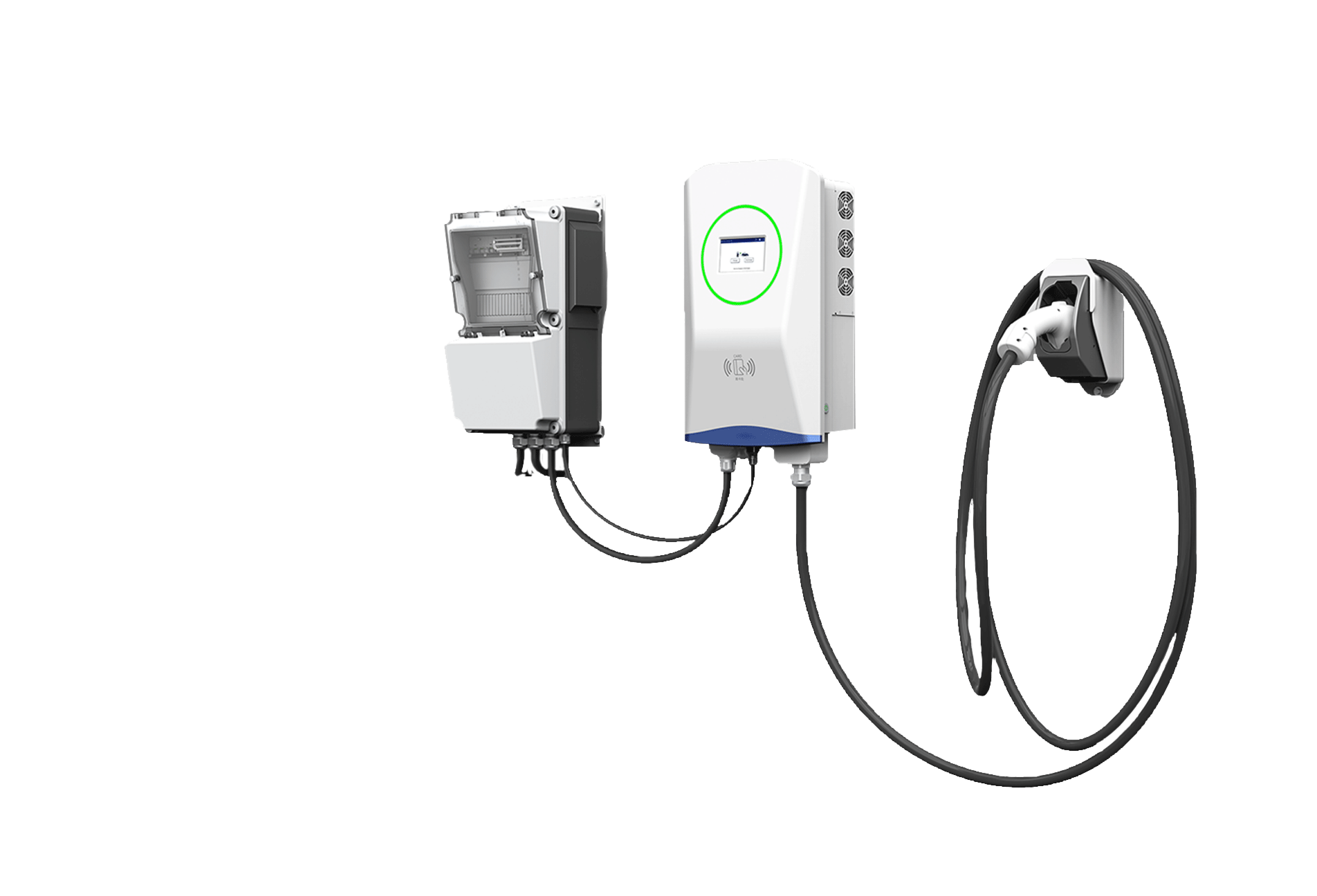
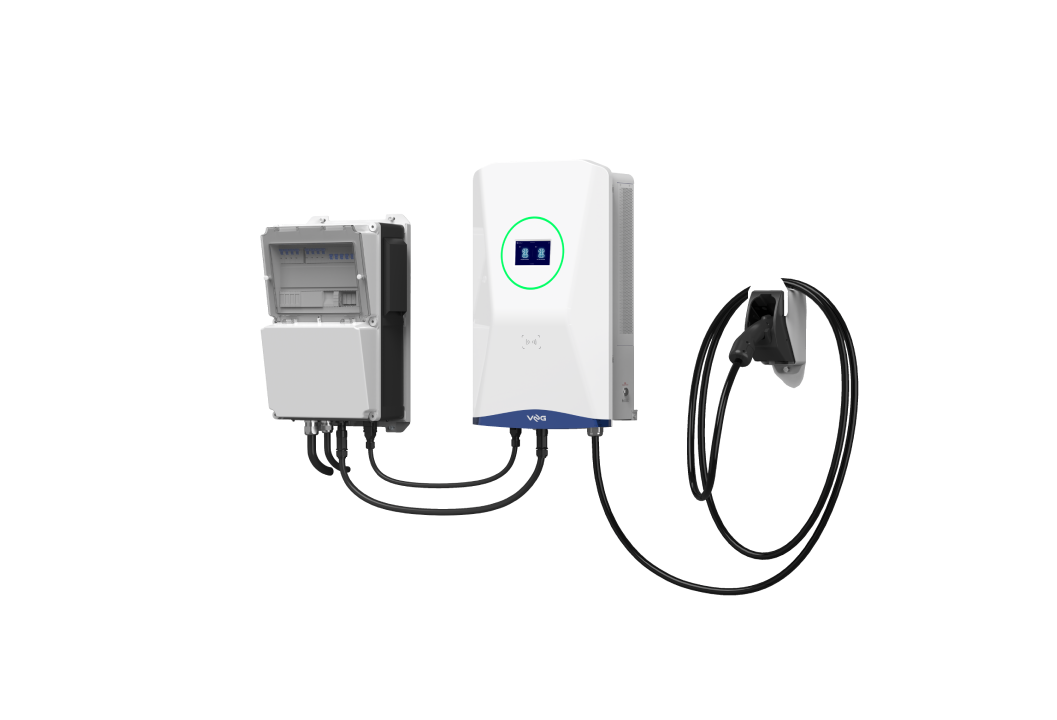
· Single-phase 7 kW V2G/V2H DC wallbox
Commercial:
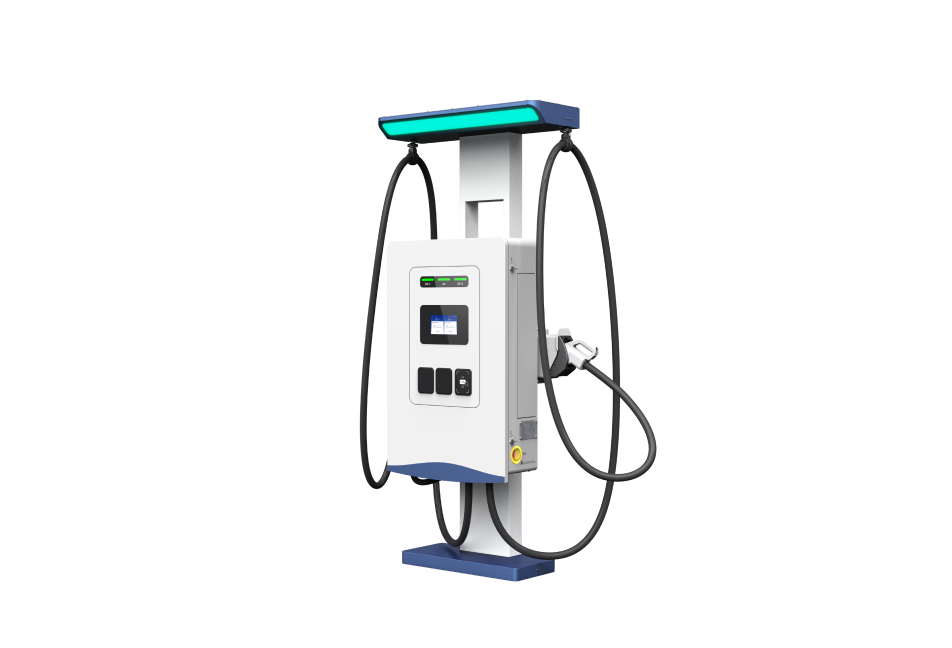
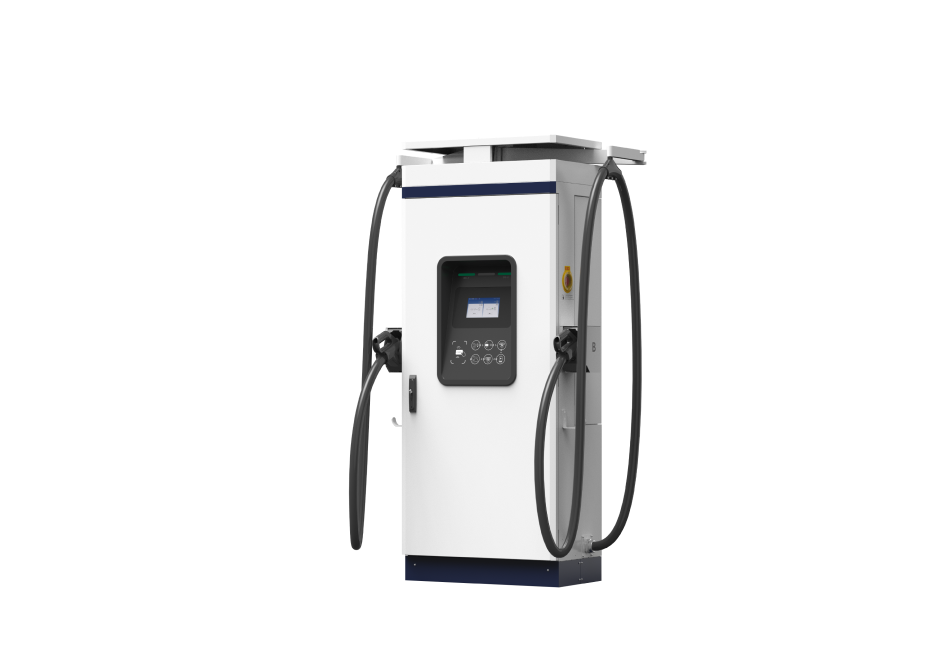
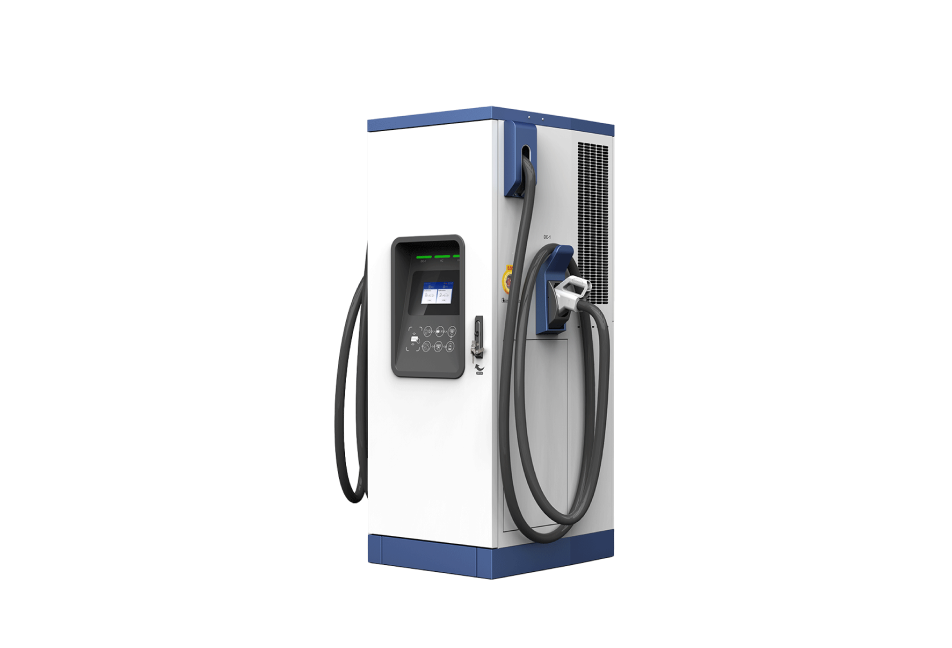
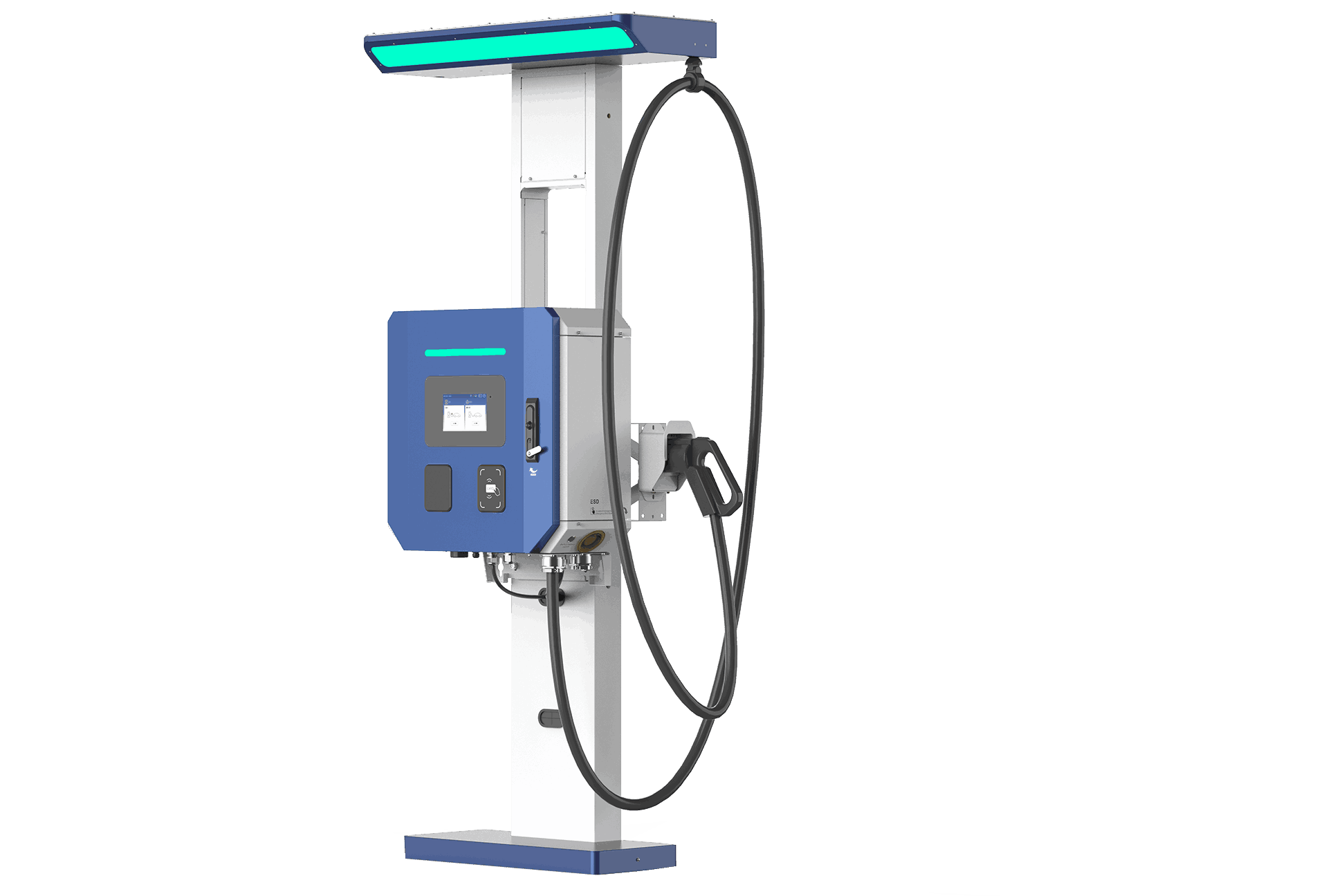
· Three-phase 11/22/44/66 kW bidirectional DC chargers
Certification & Protocol Readiness:
· CE & grid code certifications (VDE 4105, EN 50549, AS4777.2, and others)
· OCPP 1.6J, OCPP 2.0.1, Modbus TCP; OCPP 2.1 coming soon
· TLS 1.2 / TLS 1.3
· Successfully tested with Nissan, Mitsubishi, MG, BYD, Hyundai, Farizon and more.
Deploy for Today, Architect for Tomorrow
V2X has moved from concept to commercially deployable technology. By applying a scenario-driven selection framework, and choosing interoperable, validated hardware, operators can turn EV fleets into predictable, profitable, and grid-supportive assets—accelerating both decarbonization and commercial returns across the globe.